




Beyond the Famous Few
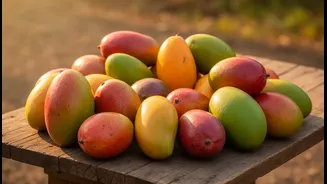
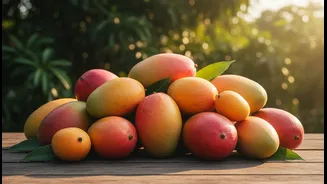
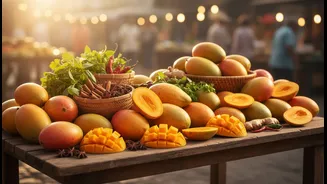
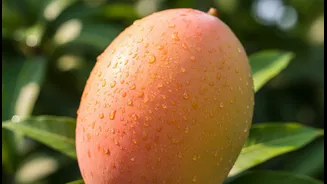
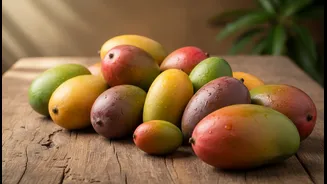
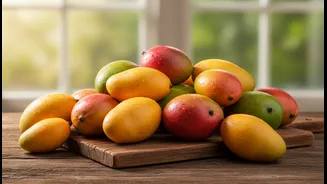
For many, the Indian mango landscape is defined by a few superstars. Names like Alphonso, Kesar, Dasheri, and Langra dominate market stalls and dinner tables. Yet, these popular commercial varieties are just the tip of the iceberg. India is a treasure
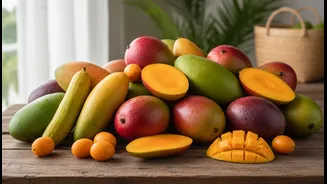
trove of mango diversity, home to somewhere between 1,000 and 1,500 distinct varieties, each with its own unique shape, size, aroma, and flavour profile. From the honey-sweet Senthura of the south to the uniquely shaped Totapuri, and from the regal Imam Pasand to the late-season Fazli, there exists a staggering spectrum of tastes that most consumers never get to experience. This incredible biodiversity is the result of centuries of cultivation and selection by farmers across the subcontinent.
A Heritage Under Threat
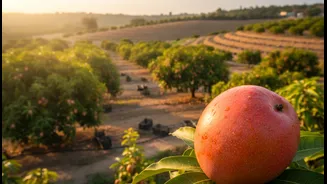
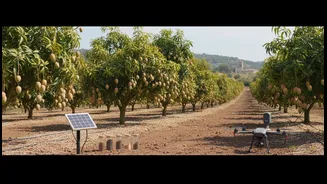
This rich mango heritage is facing a modern crisis. Market forces have pushed agriculture towards monoculture, favouring a small number of varieties that have high commercial demand, a uniform appearance, and a long shelf life suitable for export. Farmers who cultivate traditional, hyper-local varieties often find themselves demoralised, receiving low prices in wholesale markets that don't value their unique produce. Compounding this pressure is the growing threat of climate change. Erratic weather patterns, unseasonal rains during critical flowering periods, and rising temperatures are disrupting cultivation, with some studies showing even a small temperature rise can significantly cut yields. This puts less resilient, niche varieties at an even greater risk of disappearing forever.
Enter the Mango Festival
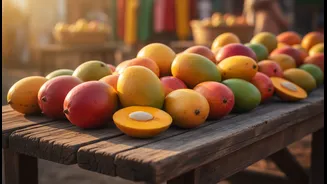
This is precisely why mango festivals, held in cities like Delhi, Lucknow, and across Goa, matter more than ever. These vibrant events are far more than just a foodie's paradise; they are crucial platforms for conservation and cultural preservation. For decades, events like the International Mango Festival in Delhi have brought together growers from across the country, showcasing hundreds of varieties that would otherwise remain unknown to urban consumers. Visitors are often stunned to discover the sheer diversity on display, moving beyond the five or six types they thought existed. The festivals are a riot of colour, aroma, and activity, featuring everything from mango-eating competitions and cooking demonstrations to the sale of mango-derived products like pickles and jams.
A Lifeline for Farmers and Flavours
Crucially, these festivals provide a direct bridge between the farmer and the consumer. By bypassing the layers of middlemen, growers of rare and indigenous mangoes can sell their produce directly, earning better prices and gaining recognition for their efforts. When a customer tastes and buys a little-known variety like a Kalapadi or a Malgova, they are doing more than just enjoying a delicious fruit. They are casting a vote for biodiversity. This consumer interest creates a tangible economic incentive for farmers to continue cultivating these heritage trees, making them active custodians of a vital genetic resource. The festivals educate the public, turning them from passive consumers into active participants in the preservation of India's agricultural legacy.