




The Push: Burnout in Modern Medicine
The dream of being a doctor is colliding with a harsh reality for many early-career physicians. Recent studies paint a concerning picture of widespread burnout. A 2025 survey revealed that over 80% of doctors in India experience mental or emotional fatigue,
with those aged 25-34 being the worst affected. Many report working over 60 hours a week, leaving little time for personal life and leading to high levels of stress. This isn't just about long hours; it's about a systemic strain. Administrative burdens, overwhelming patient loads, and a feeling of being undervalued are major contributors. A May 2026 study found that physicians are now leaving clinical practice nearly a decade earlier than they did in the past, with stress and hassle being the top reasons. For millennial doctors, who entered the profession with high ideals, this environment can lead to a profound sense of disillusionment, pushing them to seek alternative career paths that offer a renewed sense of purpose and control.
The Pull: A New Frontier in Medicine
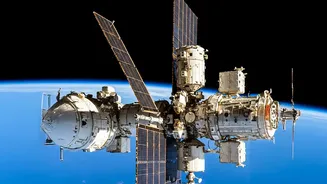
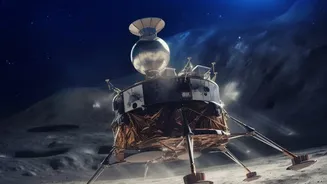
While burnout pushes them away from traditional roles, the burgeoning field of aerospace medicine pulls them toward a new frontier. This specialisation focuses on the health of pilots, flight crews, and astronauts, essentially managing normal physiology in abnormal conditions. With the rapid expansion of the commercial space industry, led by companies like SpaceX, the demand for physicians trained in aerospace medicine has never been higher. Fellowships at institutions like the University of Texas Medical Branch (UTMB), the University of Arizona, and UCLA are training the next generation of flight surgeons. These programs offer a unique blend of clinical practice, engineering, and research, preparing doctors for the unique challenges of delivering medical care beyond Earth. For a generation that grew up with visions of space exploration being privatised and democratised, the chance to be at the forefront of this historic endeavour is a powerful motivator.
What is Bioastronautics and Extreme Medicine?
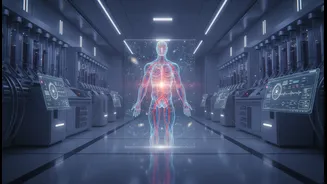
At the heart of this pivot is bioastronautics, the study of how life adapts to space. It's an interdisciplinary field that tackles the biological and medical challenges of spaceflight, from designing life-support systems to understanding the effects of microgravity on the human body. This extends to 'extreme environment medicine,' which covers not just space but also other harsh settings like undersea habitats, polar expeditions, and remote wilderness areas. In these environments, doctors can't rely on a fully-stocked hospital. They must provide care in isolated, resource-constrained settings where evacuation isn't an option. Training often includes rotations in hyperbaric medicine, high-altitude physiology, and even Mars analog missions, where teams simulate life on another planet. It’s a field defined by problem-solving under pressure, requiring doctors to be innovators as much as clinicians.
From Clinic to Capsule: A New Career Path
What does a career in bioastronautics look like? It’s far from a single track. Graduates of these specialised fellowships go on to support human spaceflight missions with national agencies and commercial companies. They work on research that addresses the physiological toll of long-duration space travel, such as bone density loss, muscle atrophy, and immune system changes. Some focus on developing the technologies and procedures needed for 'austere' medical care, where you might have to perform surgery with limited tools. Programs like the one at UTMB, which has partnered with NASA for over 30 years, place residents in operational rotations across the country, giving them hands-on experience in aviation and space medicine. For many physicians, particularly those from emergency medicine backgrounds, this career path offers an exciting application of their skills in a dynamic, high-stakes environment.
Bringing Space Medicine Down to Earth
The innovations driven by bioastronautics aren't just for astronauts. They have profound implications for healthcare on Earth. Technologies developed for monitoring astronaut health remotely have accelerated the growth of telemedicine, improving access to care for people in rural or underserved communities. Research into the accelerated aging effects seen in space, like increased insulin resistance and cardiovascular changes, provides unique insights into age-related diseases on Earth. Similarly, developing compact, portable medical devices for space missions has led to tools like portable ultrasound machines that can be used in any remote setting. By studying how to keep humans healthy in the most extreme environment imaginable, these doctors are pioneering solutions that can save lives right here on our own planet.