



Often relegated to a simple garnish, coriander holds a world of flavour waiting to be unlocked. Its bright, citrusy notes can transform a dish. Let's move beyond the sprinkle and explore how this versatile herb shines in chutneys and sauces.
The Soul of Indian Chutney
In kitchens
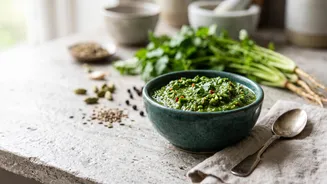
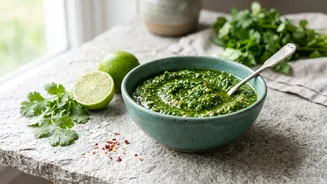
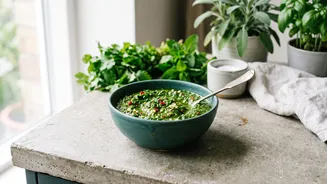
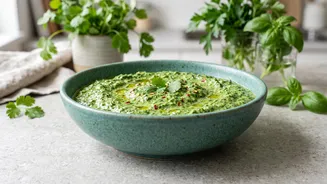
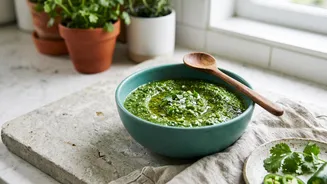
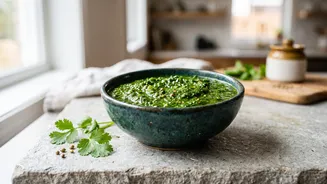
across India, hari chutney, or green chutney, is a staple. It's the vibrant, spicy condiment that accompanies everything from samosas and pakoras to sandwiches and chaat. At its heart is a simple blend of fresh coriander leaves, green chillies, ginger, and a souring agent like lemon juice. This combination creates a flavour profile that is simultaneously fresh, spicy, and tangy, capable of cutting through rich, fried foods and adding a burst of excitement to milder dishes. While recipes vary from household to household, the core purpose remains the same: to provide a powerful punch of flavour that awakens the palate. Don't be afraid to use the tender stems along with the leaves; they are packed with even more flavour than the leaves themselves and are essential for a robust chutney.
Classic Chutney, Endless Variations
The beauty of coriander chutney lies in its adaptability. While the basic version is a classic, small additions can create entirely new flavour experiences. For a cooling effect, often desired in the summer months, a handful of mint leaves can be blended in, creating the popular mint-coriander chutney. For a creamier, South Indian-style chutney perfect for serving with idli and dosa, fresh or desiccated coconut is a wonderful addition. To add body and a nutty depth, a tablespoon of roasted peanuts or roasted chana dal (split chickpeas) can be included. Some variations even call for a pinch of sugar to balance the heat from the chillies and the tang from the lemon. Experimenting with these additions is the key to finding your perfect green chutney.
The Perfect Pair: Coriander and Citrus
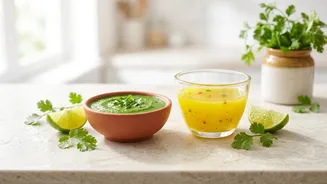
There's a reason lemon and lime are so often paired with coriander. The bright acidity of citrus fruits enhances and elevates the fresh, herbaceous notes of coriander, creating a flavour combination that feels both complex and refreshing. Chemically, coriander contains aromatic compounds like linalool and limonene, which contribute to its floral and citrus-like notes. When paired with actual citrus juice and zest, these characteristics are amplified. The acidity also acts as a perfect counterpoint to rich or fatty foods, cutting through the heaviness and cleansing the palate. This dynamic partnership is the foundation for a whole new category of vibrant sauces, dressings, and marinades.
Zesty Sauces and Dressings
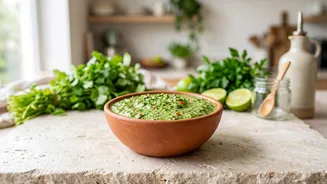
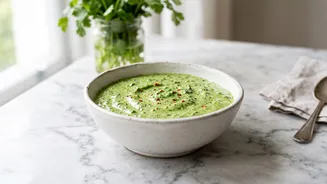
Moving beyond chutney, the combination of coriander and citrus shines in lighter, more liquid preparations. A simple cilantro-lime vinaigrette, made by blending coriander, lime juice, garlic, and olive oil, can transform a simple salad into something extraordinary. This dressing is not just for leafy greens; it's a fantastic marinade for grilled chicken, paneer, or fish, infusing them with a zesty, herbaceous flavour. For a creamier sauce that's perfect for tacos, grain bowls, or as a dip, you can blend coriander and lime with yogurt, sour cream, or even avocado. These sauces are incredibly quick to make—often just a few minutes in a blender—and offer a fantastic way to add a layer of fresh flavour to your weekly meals.
Putting It All to Use
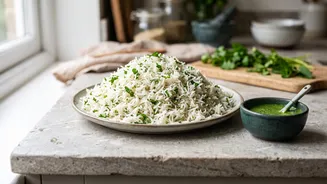
Once you have your chutney or sauce, the applications are nearly limitless. A thick coriander chutney is the quintessential sandwich spread, especially when paired with cucumber and tomato for a classic Bombay sandwich. Drizzle it over dahi vada or bhel puri for an instant flavour upgrade. Use a zesty coriander-lime sauce to dress a hearty quinoa or chickpea salad, or spoon it over roasted vegetables right as they come out of the oven. A creamy version is a perfect dip for kebabs or a cooling counterpart to spicy curries. The goal is to see coriander not just as an afterthought, but as a core component that can define and elevate a dish from good to unforgettable.