
The Real Story on Charges
For consumers, the good news is that using UPI for payments to friends, family, or directly from your bank account to a merchant is generally free. Recent rule changes, effective October 15, 2026, have introduced a Merchant Discount Rate (MDR) for some
businesses, but this cost is meant to be absorbed by the merchant, not charged to the customer. Specifically, a 0.4% MDR applies to many merchant transactions over ₹2,000, but this does not affect person-to-person transfers or payments to small vendors. Credit cards, on the other hand, can come with a variety of charges. These may include annual fees, late payment penalties, high interest rates on revolving balances, and fees for services like cash withdrawals or exceeding your credit limit. While you may not see a direct charge per transaction, the cost of using a credit card is built into its fee structure. The MDR for credit cards, typically between 1.5% and 2.5%, is also paid by the merchant but is significantly higher than the new UPI charges.
The Allure of Rewards
This is where credit cards truly shine. Most credit cards offer a rewards program, providing cashback, reward points, air miles, or exclusive discounts on shopping, dining, and travel. Co-branded cards, like those with airlines or retail chains, can offer accelerated benefits for loyal customers. Using a credit card for large, planned purchases can translate into significant savings or perks over time. UPI, designed as a straightforward payment system, rarely offers comparable rewards. While some payment apps occasionally provide minor cashback or offers to drive usage, these are not a core feature of the UPI system itself. The primary benefit of UPI is its convenience and low cost, not the potential to earn back a percentage of your spending.
Convenience, Speed, and Acceptance
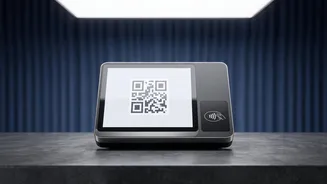
UPI is the undisputed champion of accessibility. Its simple QR code system is used by everyone from large supermarkets to the smallest street vendors, making it nearly universal for in-person payments. Transactions are instant, requiring just a quick scan and a secure PIN. Credit cards, especially with contactless tap-to-pay features, are also extremely convenient and fast. However, they may not be accepted by smaller, informal businesses that have embraced UPI. For online shopping, both methods are widely accepted, but credit cards often have a slight edge with saved card details and smoother checkout flows on many platforms.
Security and Purchase Protection
Both systems are secure, but they offer different types of protection. UPI is secured by a multi-factor authentication system, including your personal PIN, which must be entered for every transaction. Credit cards offer robust, consumer-friendly fraud protection. If your card is used for an unauthorized transaction, banks have well-established processes for investigation and chargebacks, often limiting your liability to zero. This can provide significant peace of mind, especially for high-value online purchases. UPI transactions, being direct bank-to-bank transfers, can be more difficult to reverse in case of a dispute or scam.
Building Your Financial Future
One of the most significant, yet often overlooked, differences is the impact on your credit score. UPI transactions are like digital cash payments; they are debited directly from your account and have no bearing on your credit history. Responsible credit card usage, on the other hand, is a powerful tool for building a positive credit history. Paying your credit card bills on time and in full demonstrates financial discipline to lenders. A strong credit score is crucial for securing loans for a car, home, or education in the future. Simply put, using a credit card wisely is an investment in your future borrowing power, a benefit UPI cannot offer.