




More Than Just a Vacation
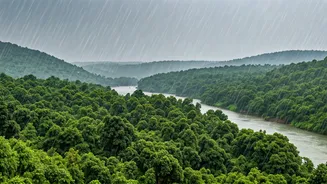
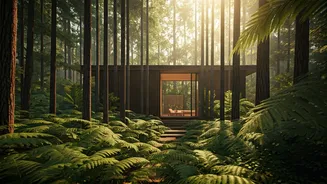
So, what exactly is a forest stay? Forget the standard hotel room with a view of another building. This trend is about immersing yourself completely in nature. Think waking up to birdsong instead of an alarm, surrounded by trees as far as the eye can
see. It’s a broad category that includes everything from rustic log cabins and charming treehouses to luxurious glamping tents and sophisticated eco-lodges. The common thread is a deep connection to the outdoors. Unlike a traditional holiday where sightseeing is the main event, here, the forest itself is the destination. It’s an intentional choice to slow down, disconnect from the daily hustle, and find peace in a natural setting. Recent reports on Indian travel show a significant pivot towards wellness and experiential journeys, with nature-based tourism leading the charge. Travellers are increasingly seeking out holidays that offer more than just a break; they want a reset button for their minds and bodies.
The Science of Forest Bathing
The pull towards the woods is backed by some fascinating science. You might have heard of 'Shinrin-yoku', a practice that originated in Japan in the 1980s which translates to 'forest bathing'. It’s not about taking a literal bath, but about soaking in the forest atmosphere through all your senses. Studies have shown that even a short, mindful walk among trees can have profound health benefits. Spending time in a forest environment can lower blood pressure, reduce levels of the stress hormone cortisol, and improve concentration and memory. Researchers also point to phytoncides, antimicrobial chemicals released by trees, which can boost our immune systems when we inhale them. It’s a powerful reminder that our connection to nature is not just poetic, but also physiological. In a world of constant digital stimulation, the forest offers a natural antidote to mental fatigue.
Disconnecting to Truly Reconnect
A major driver of this trend is the growing desire for a 'digital detox'. Our lives are saturated with screens, notifications, and the pressure to be constantly available. This has led to a new kind of burnout, where even on vacation, we remain tethered to our devices. Forest stays offer a compelling solution. Many are located in areas with naturally spotty network coverage, making it easier to put the phone away. Some resorts even encourage it, replacing TVs with books and board games. The goal isn't to punish yourself, but to create space for other things: deeper conversations with loved ones, connecting with your own thoughts, or simply noticing the world around you without a filter. A recent study found that a vast majority of young Indians are actively trying to limit their screen time, signalling a cultural shift toward more mindful living. This makes destinations that facilitate unplugging more attractive than ever.
From Rustic Cabins to Eco-Luxe
The beauty of the forest stay trend is its diversity. There's an option for every type of traveller and budget. For the adventurous, there are minimalist cabins in places like Tirthan Valley or jungle lodges near national parks like Periyar and Satpura that offer guided treks and walking safaris. For those who don't want to sacrifice comfort, the world of 'glamping' (glamorous camping) offers plush tents with all the amenities of a luxury hotel, set in stunning locations from the deserts of Rajasthan to the coffee plantations of Karnataka. India is also seeing a rise in high-end eco-lodges, beautifully designed resorts built with sustainable materials like local wood and bamboo, powered by solar energy, and committed to conservation. Properties in places like Wayanad, Kaziranga, and various national parks across Madhya Pradesh offer the perfect blend of luxury and responsibility.
A Greener Way to Travel
This trend aligns perfectly with a growing consciousness around sustainable and responsible tourism. Many forest lodges and eco-resorts are deeply committed to minimizing their environmental impact. They often employ people from local communities, serve organic farm-to-table food, practice waste recycling, and contribute to local conservation efforts. By choosing such a stay, travellers are not just investing in their own well-being but are also supporting a model of tourism that respects and preserves the very nature they've come to enjoy. It transforms a simple getaway into a more meaningful exchange, where your holiday contributes positively to the local ecosystem and economy. This approach resonates with modern travellers who want their journeys to have a purpose beyond pure leisure.