



A Galaxy of Opportunity
India's space economy, currently valued at around $8.4 billion, is on an explosive growth trajectory. Projections indicate it could surge to between $40 billion and $45 billion by 2030, and even reach $100 billion by 2040. This rapid expansion signals
a dramatic pivot from a nearly six-decade-long, state-dominated model led by the Indian Space Research Organisation (ISRO) to a more inclusive ecosystem. The number of space startups has skyrocketed, growing from just one in 2014 to over 400 by 2026, a clear indicator of the burgeoning private interest and investment pouring into the sector. This growth is not just about launching rockets; it's about creating a robust, multi-faceted commercial industry.
The Policy That Launched a Thousand Startups
The catalyst for this transformation was the government's decision in 2020 to open the space sector, a move solidified by the Indian Space Policy 2023. This landmark policy clearly defines the roles for private and public entities. ISRO is now tasked with focusing on advanced research, deep space missions, and technology development, effectively transitioning into a mentorship role. The day-to-day commercial aspects are increasingly handled by private players, facilitated by two key bodies. NewSpace India Limited (NSIL) acts as the commercial arm to monetise ISRO's technologies, while the Indian National Space Promotion and Authorisation Centre (IN-SPACe) serves as a single-window agency to promote, authorise, and supervise all private space activities. This framework has created a predictable and supportive regulatory environment, crucial for attracting investment and fostering innovation.
Meet the New Trailblazers
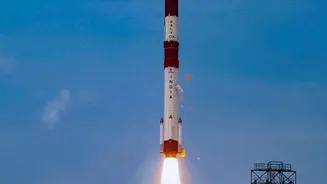
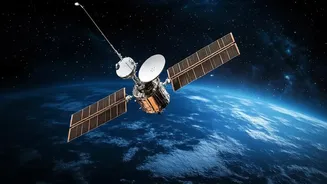
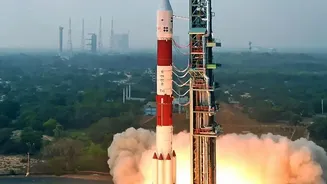
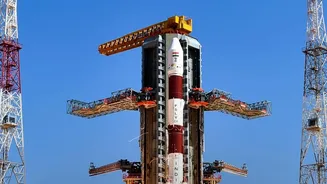
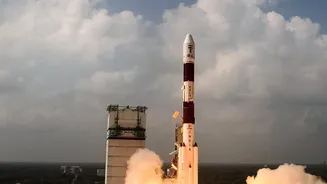
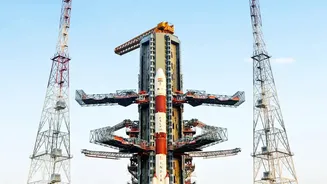
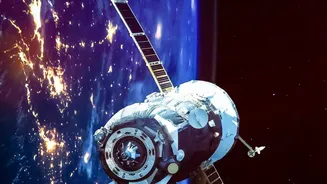
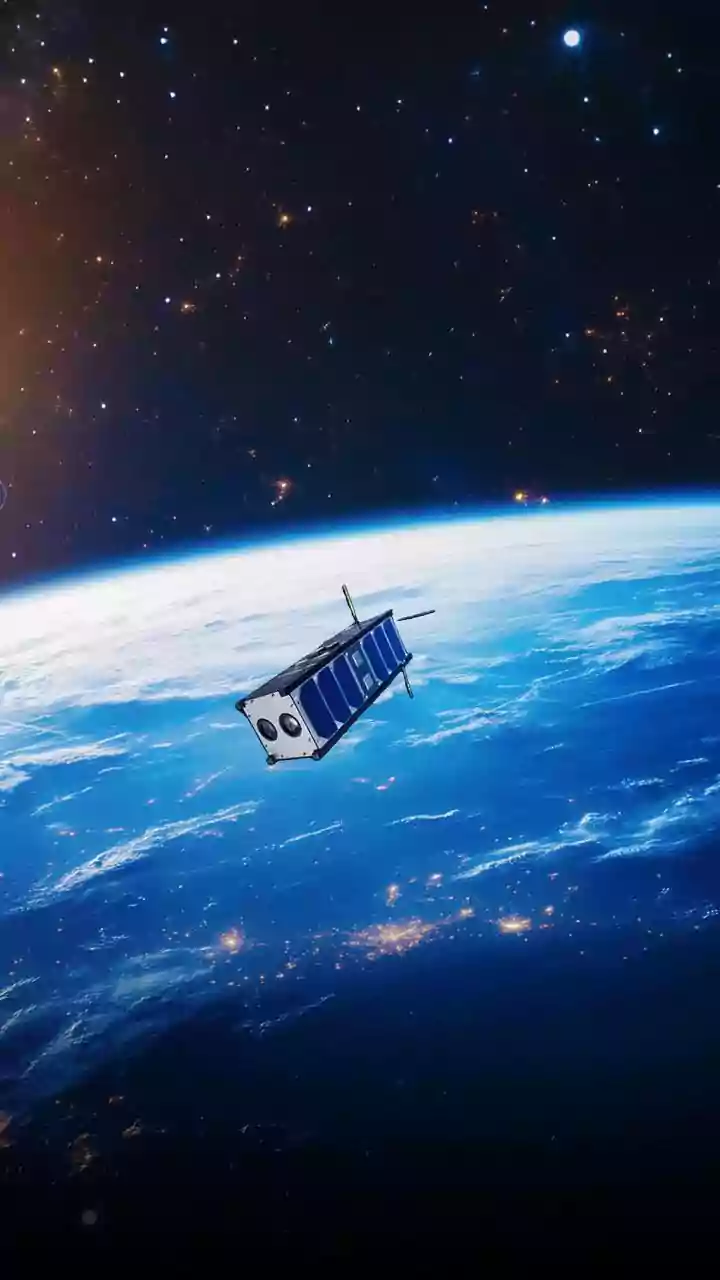
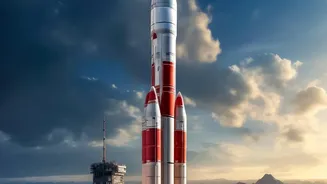
A new generation of Indian companies is making its mark. In the launch vehicle segment, startups like Skyroot Aerospace and Agnikul Cosmos are at the forefront. Skyroot made history in July 2026 as the first private Indian company to place a payload into orbit with its Vikram-1 rocket. Agnikul has pioneered the development of a single-piece, 3D-printed rocket engine. In satellite technology, companies like Pixxel are deploying constellations of hyperspectral Earth-observation satellites and have even secured contracts with NASA. Dhruva Space offers end-to-end small satellite solutions, from manufacturing to launch deployment. Others, like Digantara, are focusing on crucial areas like space situational awareness by tracking orbital debris. These firms are not just building hardware; they are creating the foundational infrastructure for a commercial space ecosystem.
The Business of Space: More Than Rockets
The opportunities for private companies extend far beyond manufacturing and launching. The real economic boom is expected from downstream applications that convert space-based capabilities into everyday commercial services. This includes providing satellite-based internet, high-resolution earth observation data for agriculture and urban planning, and precise navigation services. There are over 200 identified use cases across various sectors, including disaster management, logistics, and even financial services. The goal is to translate satellite data into decision-grade intelligence and operational tools, which represents the largest economic opportunity. This shift from simply building assets to providing value-added services is key to unlocking the sector's full potential.
Navigating the Challenges Ahead
Despite the momentum, significant challenges remain. Access to capital is a primary hurdle; while investment has grown, it is still a fraction of what is seen in the US and China. Startups face long development cycles and require patient, high-risk capital. Infrastructure constraints, such as limited launch pads and testing facilities, can create bottlenecks. Furthermore, there is intense global competition from established players like SpaceX and Rocket Lab. To succeed, Indian companies must focus on innovation, cost-effectiveness, and securing a reliable launch cadence to attract international clients. While policy has laid the groundwork, a comprehensive Space Activities Act is still needed to provide greater legal clarity on issues like liability and insurance.