





Your Natural Garden Guardian
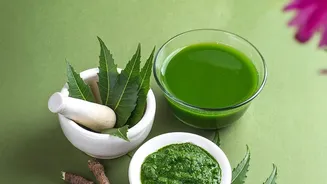
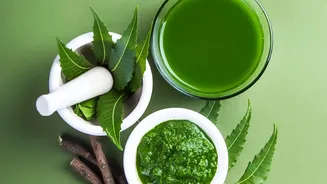
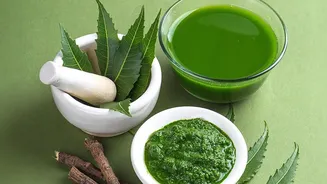
Neem oil, extracted from the seeds of the neem tree (Azadirachta indica), is a cornerstone of traditional Indian agriculture and medicine. This natural, biodegradable oil is an excellent choice for home gardeners. Unlike synthetic chemical pesticides,
it is safer for the environment and breaks down quickly, leaving no harmful residue. Its power comes from a compound called azadirachtin, which works in multiple ways. It acts as a repellent, disrupts the growth and hormone systems of pests, and can even stop them from feeding on your precious plants. This makes it a formidable, yet natural, line of defence for your garden.
Pests It Works Against
Balcony gardens in India are susceptible to a variety of small but destructive pests that thrive in warm, sheltered conditions. Neem oil is effective against many of the most common intruders that plague flowering plants. This includes soft-bodied, sap-sucking insects like aphids, which cause leaves to curl, and mealybugs, which appear as white, cottony masses on stems and leaf joints. It also helps control spider mites, known for creating fine webs and speckled leaves, as well as whiteflies. By targeting insects at all stages of their life cycle, from eggs to adults, neem oil helps manage infestations more thoroughly than some other treatments.
Gathering Your Supplies
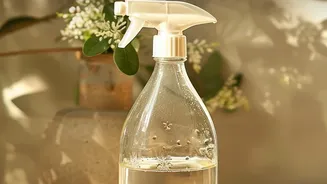
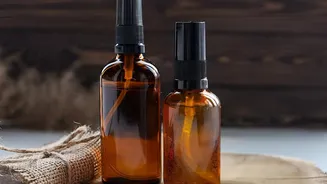
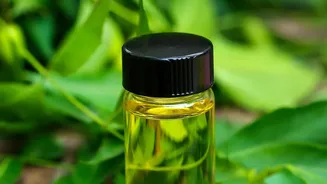
Making your own neem oil spray is incredibly simple and cost-effective. You only need three basic items that are easy to find. First, you'll need a good quality, cold-pressed neem oil, which ensures the active ingredient, azadirachtin, is potent. Second, you need a mild liquid soap, like a castile soap or a gentle dishwashing liquid, which will act as an emulsifier to help the oil and water mix properly. Finally, you'll need a clean spray bottle and some warm water. Using warm water helps the oil and soap blend together more easily. That’s all it takes to prepare a powerful, homemade pest control solution.
The Perfect Mixing Formula
The key to an effective neem oil spray is the right ratio. A standard, all-purpose preventative mix is easy to remember. For one litre of spray, combine one litre of warm water with one teaspoon (about 5ml) of cold-pressed neem oil. Before adding the neem oil, mix in about half a teaspoon (2-3ml) of mild liquid soap into the warm water. The soap is crucial because oil and water don't mix on their own. Once the soap is dissolved, add the neem oil and shake the bottle vigorously. The mixture should look slightly milky. It's important to use the spray immediately after mixing, as the active compounds in neem oil can degrade over time, reducing its effectiveness. Always shake the bottle periodically during application to keep the solution well-mixed.
How to Apply the Spray Correctly
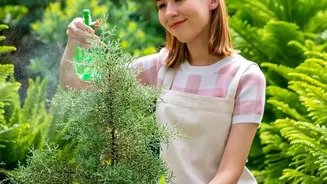
For the best results, timing and technique are everything. The ideal time to spray your plants is in the early morning or late evening. Spraying in the midday sun can cause the oil to burn the leaves. Before spraying the entire plant, it's wise to test the solution on a small, single leaf and wait 24 hours to ensure there is no damage, especially on sensitive plants. When you are ready to spray, apply the mixture liberally, ensuring you cover all parts of the plant. Pay special attention to the undersides of leaves, as this is where pests like aphids and spider mites love to hide. The goal is to coat the foliage thoroughly until it is dripping wet. Avoid spraying directly onto delicate, open flower blossoms to prevent discoloration.
A Simple Festive Routine
Consistency is key to keeping your festive flowers pest-free. As a preventive measure during the growing season, applying the neem oil spray once every 7 to 10 days is usually sufficient. If you already have an active pest problem, you may need to apply it more frequently, perhaps every 5 to 7 days, until the infestation is under control. Always wash any edible herbs or plants thoroughly before consumption if they have been sprayed. While neem oil is non-toxic and generally safe for beneficial insects like bees and butterflies that don't eat plant leaves, it's best to apply it when these pollinators are less active. By incorporating this simple step into your gardening routine, you can ensure your balcony remains a beautiful, thriving space throughout the festive season and beyond.