



Why Less Water is the New Green
The shift towards low-water gardening, or xeriscaping, isn't just a trend; it's a necessary response to a changing climate. With many Indian cities facing high water stress and dwindling groundwater levels, our domestic water use is under scrutiny. Gardens,
traditionally seen as water-intensive spaces, are prime areas for conservation. But a water-smart garden isn't about sacrificing beauty for utility. It's a forward-thinking approach that creates stunning, vibrant landscapes that are in harmony with our environment. These gardens are more resilient to heatwaves, require less maintenance, and ultimately reduce both water bills and the strain on a precious public resource.
Start With Your Soil
The foundation of any successful low-water garden is healthy, absorbent soil. Soil rich in organic matter acts like a sponge, soaking up moisture and releasing it slowly to plant roots. Simply adding a layer of compost, well-rotted manure, or shredded leaves can dramatically improve your soil's water-holding capacity. This means you'll need to water less frequently, as the soil does a better job of retaining moisture between waterings. Aerating compacted soil also helps water penetrate deeper instead of running off the surface. A healthy soil structure not only conserves water but also promotes stronger root development, making plants more resilient during dry spells.
Choose Plants Wisely
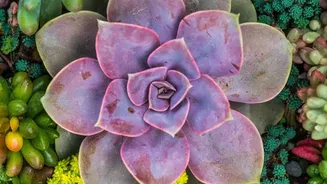
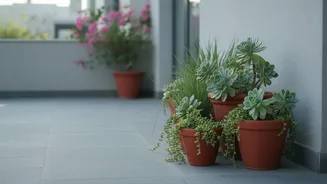
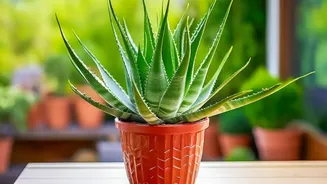
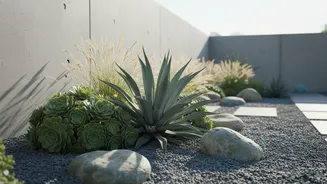
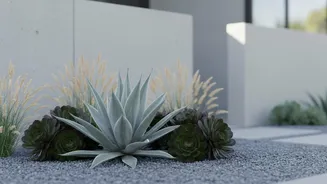
The 'right plant, right place' mantra is crucial for water-wise gardening. Instead of fighting the climate with thirsty, high-maintenance species, embrace plants that are naturally suited to India's conditions. Native plants are an excellent choice as they are already adapted to local rainfall patterns and temperatures. Many nurseries now stock a wide range of drought-tolerant options that offer stunning flowers and foliage. Think of colourful Bougainvillea, hardy Aloe Vera, architectural Agave, and vibrant Zinnias. For groundcover, consider succulents that require very little water. By selecting plants that thrive on what the local climate provides, you reduce the need for constant supplemental watering.
The Smart Art of Hydrozoning
One of the most effective water-saving design principles is hydrozoning. This simply means grouping plants together based on their similar water, sun, and soil needs. It prevents the common problem of overwatering a drought-tolerant plant just to keep its thirsty neighbour alive. You can create different zones in your garden: a 'high-use' zone for a small patch of grass or vegetables that need regular water, a 'moderate' zone for shrubs and perennials, and a 'low-use' zone for hardy natives that can survive mostly on rainfall. By connecting each zone to a separate irrigation valve, you can deliver the precise amount of water each group needs, potentially reducing overall water use by 20% to 50%.
Water with Purpose and Precision
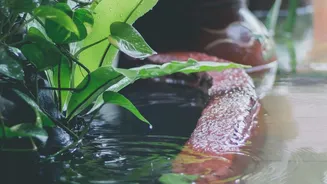
How and when you water is as important as how much you use. Sprinklers that spray water high into the air can be inefficient, with much of the moisture lost to evaporation and wind. Drip irrigation and soaker hoses are far more effective, delivering water slowly and directly to the plant's root zone where it's needed most. This method also helps prevent fungal diseases that can arise from wet foliage. Always water in the cool of the early morning or late evening to minimise evaporation. The goal should be to water deeply but infrequently, which encourages plants to develop deep, strong roots, making them less dependent on constant irrigation.
The Finishing Touches: Mulch
Never underestimate the power of mulch. Applying a two- to three-inch layer of organic material like bark chips, shredded leaves, or straw over the soil surface is a simple step with huge benefits. Mulch acts as a protective blanket, shading the soil from the sun to keep it cool and dramatically reducing moisture loss through evaporation. It also suppresses weeds, which would otherwise compete with your plants for water and nutrients. As organic mulch breaks down over time, it further enriches the soil, continuing the cycle of building a healthy, water-retentive garden bed.