



The Soul of the Celebration
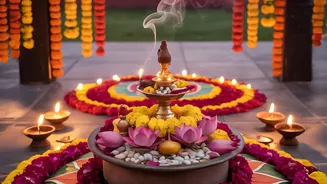
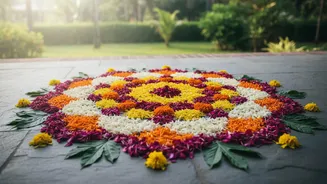
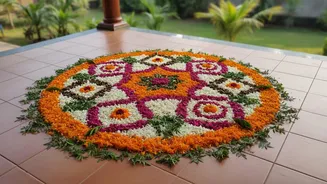
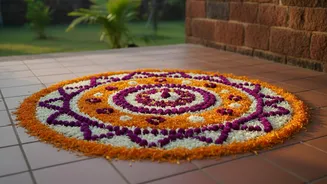
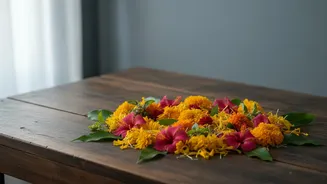
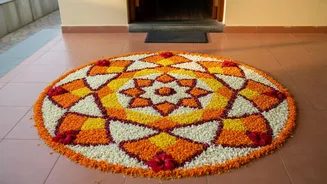
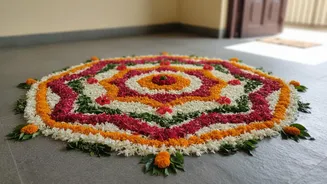
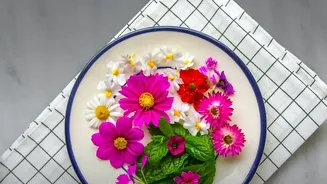
A pookkalam, which translates to 'flower art', is more than just decoration; it's a symbol of joy, prosperity, and community harmony. Traditionally, these floral arrangements begin on the first day of Onam, known as Atham, and grow larger and more intricate
with each passing day, culminating on the main day of Thiruvonam. Each layer of flowers can hold symbolic meaning, making the pookkalam a central part of welcoming King Mahabali's spirit into the home. Historically, only locally available flowers and leaves were used, a practice that naturally aligned with sustainable living.
Source Your Flowers Sustainably
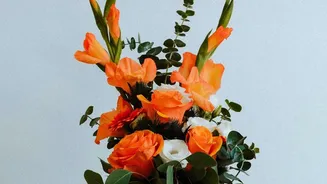
The most significant step towards a low-waste pookkalam is thoughtful sourcing. Instead of relying on flowers transported over long distances, consider using blooms from your own garden or local community. Flowers like marigolds, jasmine, hibiscus, and chrysanthemums are traditionally used and often readily available. Using seasonal and local flowers not only reduces your carbon footprint but also supports local vendors and revives the original custom of using what nature provides nearby. This simple choice is a powerful nod to Onam's roots as a harvest festival celebrating nature's abundance.
Design with Consciousness and Creativity
A stunning pookkalam doesn't have to be enormous. Consider creating smaller, more intricate designs that require fewer flowers. You can also get creative by incorporating other natural elements. Brightly coloured leaves, fallen seed pods, beads, and even sticks can add unique textures and an earthy feel to your design. Some people also use coloured rice, pulses, or naturally dyed powders as fillers between floral sections, reducing the overall quantity of petals needed while creating beautiful patterns. Using a stencil can help create a precise and impressive design without excess flowers.
The Afterlife of Your Pookkalam
The celebration doesn't end when the flowers are swept away. Instead of discarding the petals in the garbage, give them a second life. One of the most eco-friendly options is composting. Floral waste, when mixed with other organic matter like kitchen scraps and dry leaves, breaks down into nutrient-rich compost that can be used to fertilize your garden, returning the gift to the earth. This act beautifully closes the loop, reflecting the cyclical themes of the festival.
Creative Ways to Repurpose Petals
If you're not a gardener, there are still plenty of ways to repurpose your pookkalam flowers. Dried petals from flowers like roses and jasmine can be used to create fragrant potpourri. Simply dry the petals in the sun, mix them with spices like cinnamon or cloves, and add a few drops of essential oil for a natural home fragrance. You can also use pressed flowers for crafting projects like greeting cards or bookmarks. Another option is to boil darker petals from marigolds or hibiscus to create natural dyes for fabric, turning your floral waste into a creative project.