







The Right Rain Gear
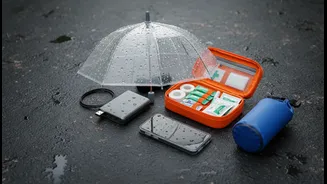
The most obvious essential is reliable rain protection. A sturdy, wind-resistant umbrella is a must-have for sudden showers. For more comprehensive protection, especially if you plan on being outdoors for extended periods, a lightweight, full-coverage
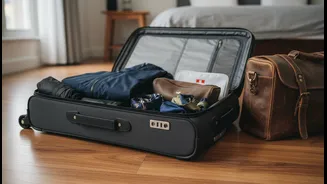
raincoat or poncho is indispensable. Look for one that is large enough to cover both you and a small backpack. To protect your belongings, a waterproof backpack cover is a non-negotiable item that keeps your clothes, electronics, and other valuables safe and dry. Many travel experts also recommend carrying a few extra dry bags or even simple zip-lock pouches to compartmentalise important items like documents and electronics within your main bag.
Footwear Fit for Flooding
Your choice of footwear can make or break a monsoon trip. Streets can become waterlogged or muddy, and surfaces get slippery. The best options are rubber sandals, waterproof floaters, or quick-dry sneakers with a good grip. These are easy to clean and dry quickly. It's wise to avoid leather shoes and heavy sneakers that absorb water and take ages to dry. For those planning treks or adventure excursions, a pair of anti-skid trekking shoes is a worthy investment. It is also a good idea to pack an extra pair of shoes as a backup. Always carry a few pairs of quick-dry socks to keep your feet as dry and comfortable as possible.
Smart Clothing Choices
When it comes to clothing, the mantra for the monsoon is 'light and quick-drying'. Heavy fabrics like denim and thick cotton become uncomfortable when wet and take a long time to dry in humid conditions. Instead, opt for synthetic fabrics like polyester and nylon, or natural options like fine cotton, rayon, and linen. These materials are breathable and dry much faster. Packing dark-coloured clothing can also be a practical choice to help conceal any mud or puddle splashes. It is always a good idea to pack extra sets of undergarments and a spare change of clothes in a waterproof bag for those times you might get completely soaked.
Protecting Your Electronics
Rain and humidity are the enemies of electronic gadgets. Power cuts can also be common during heavy rains, making a fully charged power bank an absolute necessity. To shield your devices from water, always carry them in a waterproof bag or use inexpensive zip-lock pouches for smaller items like your phone and chargers. For added protection, especially in highly humid areas, consider packing a few silica gel packets with your electronics. These small packets are excellent at absorbing ambient moisture and can prevent damage to sensitive internal components. If a device does get wet, turn it off immediately and do not attempt to charge it.
A Well-Stocked Health Kit
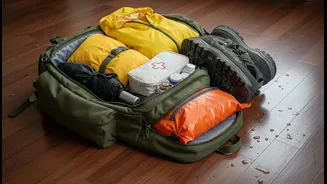
The monsoon season often sees a rise in water-borne diseases and other infections. A comprehensive first-aid kit is crucial for any travel during this time. Your kit should include antiseptic wipes or solution, bandages, pain relievers, and any personal medications. Mosquito repellent is another essential, as the season is a prime breeding time for mosquitoes that can carry diseases like dengue and malaria. It’s also wise to include medicines for common ailments like colds, fevers, and stomach issues, along with oral rehydration salts (ORS). Hand sanitiser and wet wipes are also useful for maintaining hygiene on the go.
The Emergency Go-Bag
Beyond the daily essentials, a small emergency kit can be a lifesaver, especially if you get stranded due to travel disruptions. This should include a small torch or headlamp with extra batteries for unexpected power outages. Pack some non-perishable snacks like energy bars, biscuits, or nuts to keep you going during long delays. It's also vital to have copies of your important documents—like ID, tickets, and hotel bookings—stored in a waterproof folder or pouch. Having these items readily accessible in a go-bag ensures you are prepared for unforeseen circumstances, turning a potential crisis into a manageable inconvenience.