



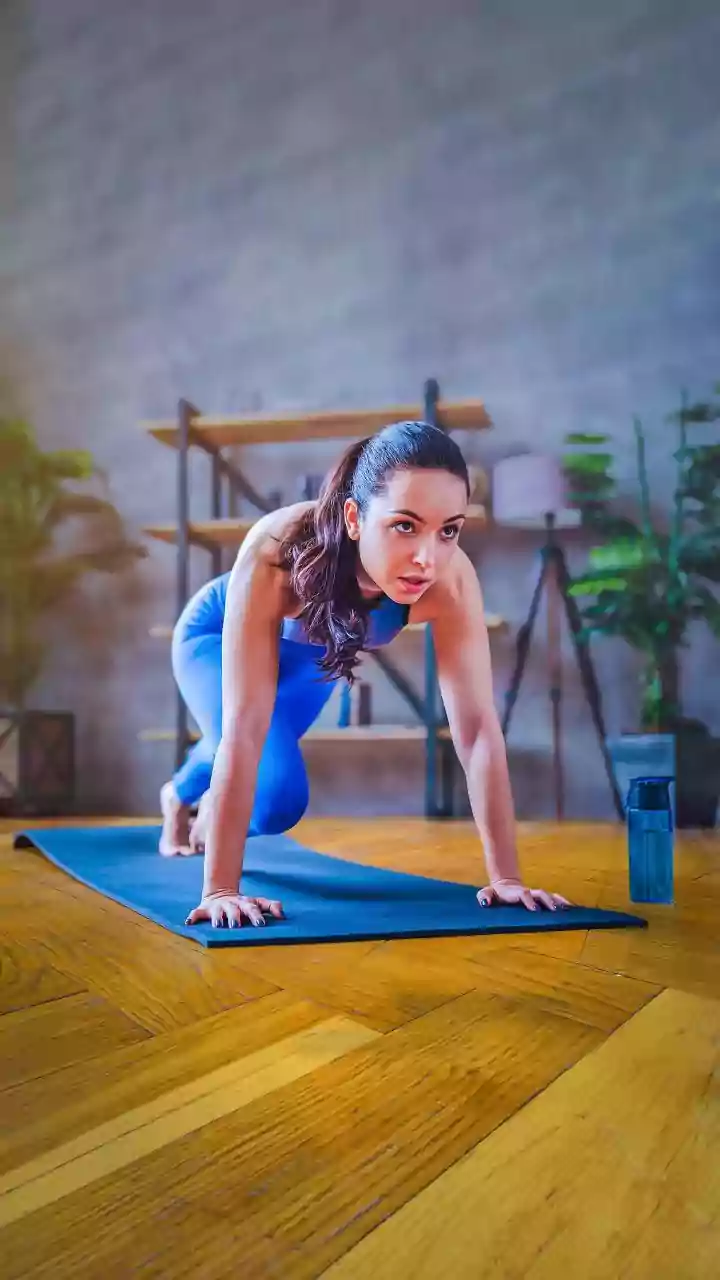


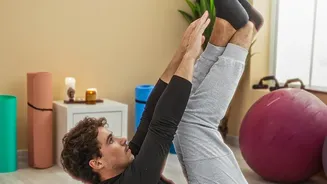
What is Functional Core Strength?
Before diving into the exercises, it is important to understand what 'functional' core strength means. Unlike exercises like crunches that isolate surface-level 'abs', functional training focuses on the entire system of deep muscles in your abdomen, back,
and pelvis. This system acts as the foundation for almost every move you make, from lifting groceries to sitting at a desk with good posture. A strong functional core improves balance, enhances stability, and can significantly reduce the risk of back pain and injury by supporting your spine.
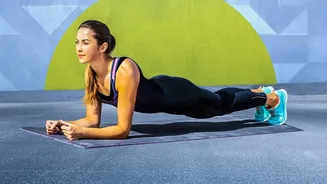
The Foundational Plank
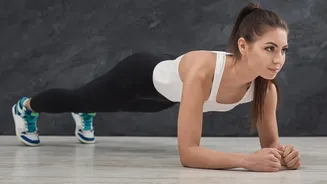
The plank is a powerhouse of an exercise because it engages multiple core muscles simultaneously to build endurance and stability. To perform it correctly, start by lying facedown. Push up onto your forearms and toes, ensuring your elbows are directly under your shoulders. Your body should form a straight, rigid line from your head to your heels. Engage your abdominal muscles by pulling your navel towards your spine, and be careful not to let your hips sag or rise too high. Breathe steadily and aim to hold the position for 30 to 60 seconds, focusing on maintaining form over duration.
The Stabilising Bird-Dog
The Bird-Dog is excellent for improving stability and coordination, as it trains your core to resist rotation. Begin on all fours in a tabletop position, with your hands directly under your shoulders and your knees under your hips. Engage your core to keep your back flat. Slowly extend your right arm straight forward and your left leg straight back, keeping your shoulders and hips parallel to the floor. Hold for a few seconds, focusing on maintaining your balance without tilting. Return to the starting position in a controlled manner and repeat on the opposite side, with your left arm and right leg. This completes one repetition.
The Powerful Glute Bridge
Your glutes are a critical part of your core, and the glute bridge is one of the best ways to activate them and improve hip stability. Lie on your back with your knees bent, feet flat on the floor about hip-width apart, and your arms resting at your sides. Engage your core and squeeze your glutes as you lift your hips off the floor. Continue until your body forms a straight line from your shoulders to your knees. Hold this top position for a moment, squeezing your glutes tightly, before slowly lowering your hips back down with control.
The Controlled Dead Bug
The Dead Bug is a fantastic exercise for developing deep core control and spinal stability without putting stress on your back. Lie on your back with your arms extended toward the ceiling, directly above your shoulders. Lift your legs so your knees are bent at a 90-degree angle, directly over your hips. Keeping your lower back pressed gently into the floor, slowly lower your right arm and left leg toward the floor simultaneously. Go as low as you can without your back arching. Return to the starting position with control and repeat on the other side.