







As India celebrated Navratri, food delivery apps provided a fascinating window into the country's evolving festive habits. The data shows a delightful mix of devout fasting and sweet indulgence, reflecting how tradition and technology now coexist.
A Festival of Fasting and Feasting
Navratri,
a nine-night festival dedicated to the goddess Durga, is a time of vibrant celebrations, dance, and for many, dietary discipline. Observers often adopt a 'vrat' or fast, abstaining from grains, meat, and certain spices. The traditional Navratri diet includes ingredients like sabudana (tapioca pearls), kuttu (buckwheat flour), singhara (water chestnut flour), and fresh fruits. For generations, preparing these specific meals at home was an integral part of the ritual. However, recent trends show that while the spirit of the tradition remains strong, the methods are adapting to modern lifestyles, with millions now turning to on-demand platforms for their festive meals.
Sabudana Leads the Vrat Pack
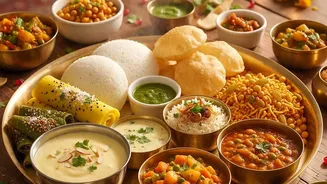
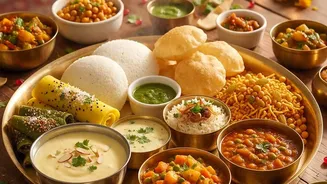
According to an analysis of orders from the recent Navratri period, particularly between October 17 and 20, 2026, fasting-friendly dishes dominated the charts. Swiggy reported delivering an average of 1,794 sabudana-based dishes every hour over the festive weekend. Sabudana khichdi and sabudana vada were the undisputed champions of the vrat menu, with cities like Mumbai, Bengaluru, Pune, and Jaipur leading the demand. This highlights the enduring popularity of these classic comfort foods. Beyond sabudana, Navratri special thalis, which offer a complete meal with items like singhara poori and various vegetable preparations, were also a massive hit, especially in Delhi and Bengaluru.
The Sweet Story: Rasgulla Reigns Supreme
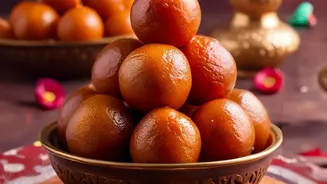
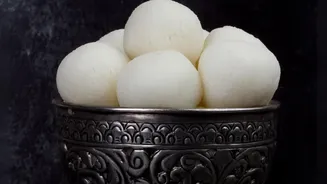
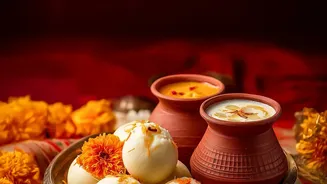
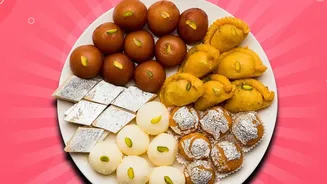
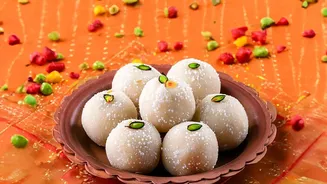
While fasting was a major trend, the festival was equally about celebration and indulgence, which is where sweets entered the picture. During the October 17-20 period, Swiggy saw a remarkable 36.4% rise in orders for traditional sweets compared to the same festive window in the previous year. The undisputed star of this sweet surge was the Rasgulla. The platform clocked an average of 495 orders for this beloved Bengali sweet every hour, making it India's most-ordered mithai during the festival. Cities like Delhi, Mumbai, and Gurugram were at the forefront of this Rasgulla rush. While not strictly a 'vrat' food for all due to its use of chenna and sugar, its popularity points to a celebratory mood, where many break their fast or simply partake in the festive spirit with a sweet treat. Other popular sweets included Gulab Jamun, Kaju Katli, and Jalebi.
Big Feasts and Fusion Treats
The data also revealed some impressive individual orders that capture the scale of festive feasting. One customer in Noida placed a single order for 13 Navratri Special Vrat Thalis, amounting to ₹11,072, showcasing a commitment to a grand communal meal. On the sweeter side of things, a user in Mumbai spent ₹9,870 on an assortment of mithai that included an interesting fusion item: 'Coffee Rasgulla Tiramisu'. This particular order was the highest-value Rasgulla-related purchase during the period and hints at a playful culinary trend where traditional sweets are being creatively re_imagined. It shows that while tradition is respected, there is also an appetite for novelty and fusion flavours.
Convenience Meets Culture
The surge in orders for both fasting meals and festive sweets on platforms like Swiggy tells a larger story about modern India. These services are no longer just about convenience; they are becoming integrated into the fabric of cultural and religious observances. For busy professionals, students living away from home, or families who want to focus on the rituals without spending hours in the kitchen, these apps provide a vital link to tradition. The ability to order a complete vrat_friendly thali or a box of fresh rasgullas with a few taps allows more people to participate in the festive culinary experience, bridging the gap between a hectic modern life and age_old customs.