


1. Sattu Shakes for a Quick Breakfast
Instead of a carb-heavy breakfast or skipping it altogether, a sattu shake is a powerhouse of nutrition. Made from roasted Bengal gram flour, sattu is packed with plant-based protein and fibre. A simple drink mixed with water, salt, and lemon provides
sustained energy, aids digestion, and keeps you full until lunch, making it the perfect convenient start to a busy day.
2. Greek Yogurt Instead of Regular Dahi
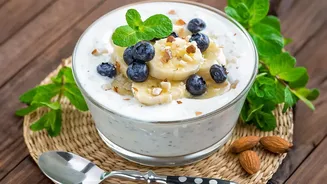
While homemade curd is a staple, Greek yogurt (or even well-strained hung curd) offers a significant protein advantage. Due to the straining process that removes excess whey, Greek yogurt can contain nearly double the protein of regular curd, making it ideal for muscle repair and satiety. Use it in raitas, dips, or as a snack with fruits and seeds to easily boost your protein intake.
3. Millet Flakes for Traditional Poha
Swapping traditional rice poha for one made with millet flakes (like jowar or bajra) is an easy upgrade. Millets are ancient Indian grains making a comeback for good reason; they are rich in fibre, and minerals like iron and calcium, and have a lower glycaemic index than white rice. This switch makes a breakfast favourite more nutritious without sacrificing its familiar comfort.
4. Roasted Makhana for Fried Namkeen
When the 4 p.m. craving for something crunchy hits, roasted makhana (fox nuts) are a stellar replacement for fried chips or namkeen. Makhana is low in calories and fat but high in fibre and essential minerals like magnesium. It satisfies the need for a crunchy snack while being gentle on the stomach and blood sugar levels, making it a guilt-free and filling option.
5. Soya Granules for Minced Meat Keema
For a vegetarian, high-protein take on a classic, soya granules or chunks are an excellent substitute for minced meat in keema. Soya is a complete protein, and its texture works perfectly in savoury dishes. It is a budget-friendly way to create a protein-dense meal that is both satisfying and lower in saturated fat compared to red meat.
6. Quinoa for White Rice
Replacing white rice with quinoa as the base for pulao, biryani, or even just a side to dal is a popular health-driven swap. Quinoa is a complete protein, meaning it contains all nine essential amino acids, and is also high in fibre. While millets are a more local alternative, quinoa's versatility has made it a go-to for those looking to easily increase the protein content of their main meals.
7. Plant-Based Meats for Curries and Grills
The plant-based meat market in India is rapidly growing, offering alternatives for everything from kebabs to biryani. Driven by health and sustainability concerns, these products, often made from soy or pea protein, allow individuals to enjoy the texture and taste of meat in traditional recipes without the associated cholesterol and environmental impact.
8. Protein Bars for Biscuits and Cookies
For the ultimate convenience snack, a protein bar is a far better choice than sugary biscuits. The Indian market now offers a wide variety of bars, including options with 10-20 grams of protein, often using ingredients like whey, soy, or nuts. They are perfect for a post-workout refuel or a quick bite between meetings to manage hunger and provide energy.
9. Nut Butters for Sugary Jams
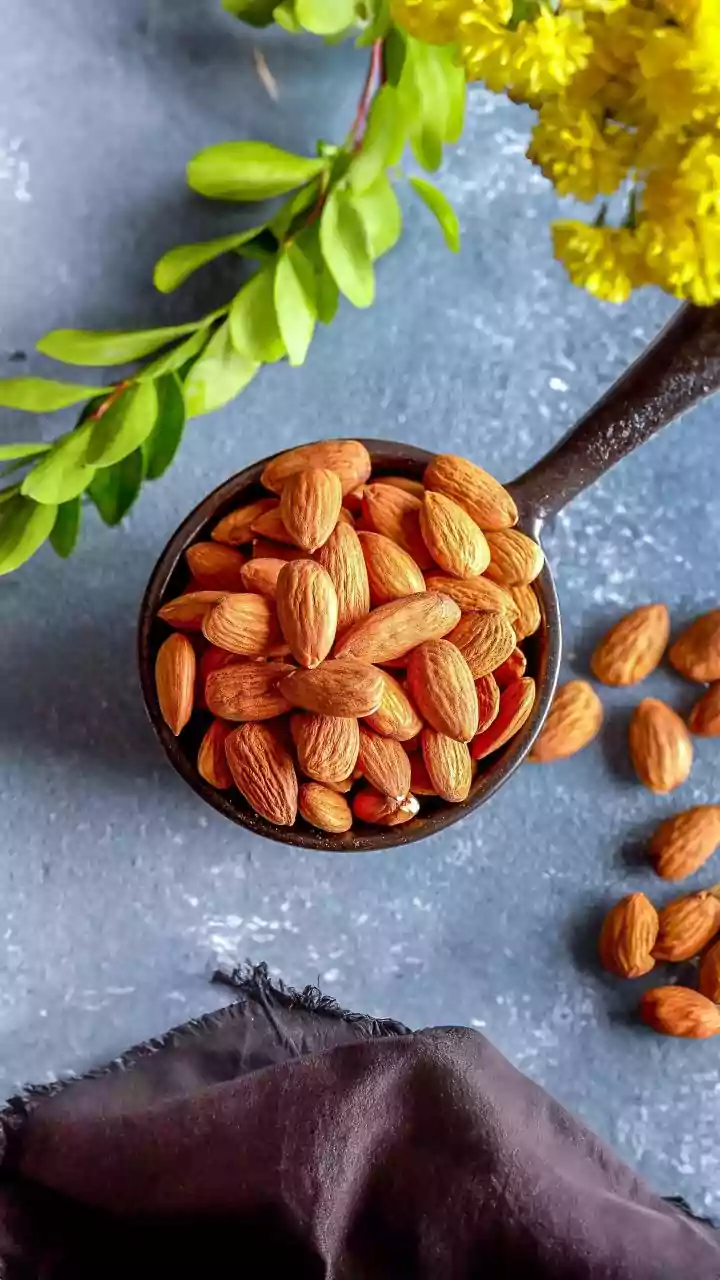
Spreading peanut or almond butter on toast or roti instead of jam is a simple switch that replaces empty sugars with protein and healthy fats. This swap provides sustained energy and increases satiety, helping to prevent a mid-morning energy crash. Many high-protein peanut butters are now available, offering an even bigger nutritional punch.
10. Paneer or Tofu Bhurji for Egg Bhurji
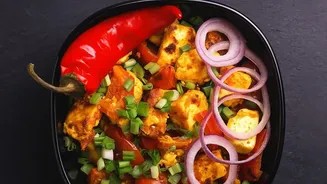
While eggs are a fantastic source of protein, paneer or tofu bhurji offers a great vegetarian alternative with comparable benefits. Paneer is rich in casein protein, which digests slowly, while tofu provides a solid plant-based option. Both can be scrambled with spices just like eggs for a quick, versatile, and protein-heavy meal for any time of day.