








The Lifeblood of Rural India
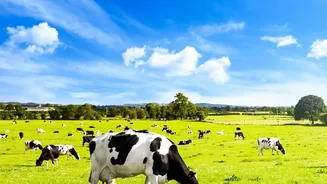
The dairy sector is more than just an industry in India; it's a lifeline for over 80 million farming families. Contributing significantly to the agricultural economy, milk production provides a steady income for small and marginal farmers, many of whom
own just a few animals. For a large vegetarian population, milk is also a critical source of protein. This vast network of smallholder farmers has propelled India to become the top milk producer globally, accounting for nearly a quarter of the world's total output. Any disruption to this system, therefore, doesn't just affect supply chains—it directly impacts household incomes and national nutritional security.
How Heat Disrupts Milk Production
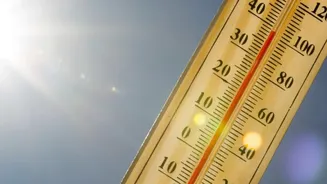
Dairy cattle are sensitive creatures of comfort. They thrive within a specific temperature range, but when the Temperature-Humidity Index (THI)—a measure combining heat and humidity—climbs, they begin to experience heat stress. In many parts of India, summer conditions frequently push the THI into the danger zone. To cope, an animal diverts energy from milk production towards thermoregulation, like panting and sweating. This leads to reduced feed intake, as eating and digesting generate more internal heat. The result is a direct drop in milk yield, which can be as high as 20-30% during peak summer months. It's not just the quantity that suffers; heat stress can also lower the fat and protein content of milk, reducing its market value.
The Economic Toll of a Warming Climate
The consequences of reduced milk production are already being measured in crores. Recent studies estimate that heat-related stress already causes an annual loss of around 3.2 million tonnes of milk in India, translating to an economic deficit of approximately ₹2,661 crore. Projections suggest this could worsen significantly, with potential losses reaching 15 million tonnes by the 2050s if effective adaptation measures are not taken. Some long-term forecasts even warn that India’s total milk output could fall by as much as 25% by 2085 due to thermal stress. For the individual farmer, this means lower income from milk sales, coupled with higher veterinary costs as heat-stressed animals are more susceptible to illness and have lower fertility rates.
A Tale of Two Breeds
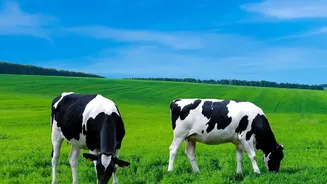
Not all cattle are affected equally. India's large-scale crossbreeding programmes have successfully introduced high-yielding exotic breeds like Jersey and Holstein Friesian crosses. While these animals produce more milk, they are less adapted to tropical climates and more susceptible to heat stress. In contrast, indigenous Indian breeds such as Gir, Sahiwal, and Tharparkar are naturally more thermo-tolerant. They have evolved with traits like more efficient sweating mechanisms that help them better withstand high temperatures. However, their milk yield is typically lower. This presents a critical dilemma for the dairy sector: a trade-off between the high productivity of crossbreeds and the climate resilience of indigenous cattle.
Adapting to a Hotter Reality
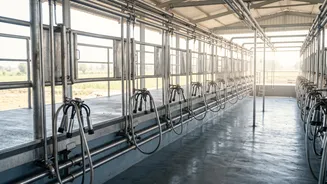
The good news is that many practical and low-cost solutions can help mitigate the effects of heat stress. Simple changes in farm management can make a significant difference. These include providing adequate shade, either with trees or artificial structures, and ensuring a constant supply of clean drinking water. Cooling systems like sprinklers and fans can provide immediate relief by lowering an animal's body temperature. Adjusting milking and feeding schedules to cooler parts of the day, such as early morning and late evening, also helps reduce stress on the animals. Furthermore, organisations like the National Dairy Development Board are promoting initiatives like ration balancing to improve animal nutrition and reduce metabolic heat, alongside developing manure and energy management programs to make the entire dairy value chain more sustainable.