



The One-Channel Nation
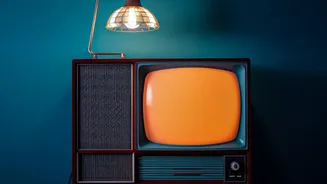
For decades, home entertainment in India had one name: Doordarshan. Launched in 1959, it held a monopoly until the early 1990s. This was the era of 'appointment viewing', where streets would empty for iconic shows. Serials like 'Hum Log' (1984), India's
first soap opera, and mythological epics 'Ramayan' (1987) and 'Mahabharat' (1988) were not just programmes; they were national cultural events that brought families together. These shows, often focused on middle-class aspirations or ancient traditions, created a shared viewing experience that unified a diverse country around a single screen.
The Satellite Television Boom
The early 1990s changed everything. Following economic liberalization, private and foreign broadcasters entered the scene, transmitted via satellite. The launch of Zee TV in 1992, followed by Star TV and Sony, marked the end of the state's monopoly. Suddenly, Indian viewers had choices. Cable operators mushroomed, wiring homes with a new world of content, from countdown shows and game shows to daily soaps. This explosion of channels fragmented the audience but also commercialized entertainment, paving the way for market-driven programming that catered to specific tastes rather than a single national identity.
The Reign of the 'Saas-Bahu' Soaps
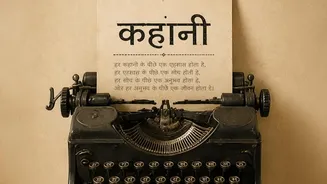
The 2000s were dominated by a very specific and wildly successful formula: the 'saas-bahu' (mother-in-law, daughter-in-law) saga. Pioneered by production houses like Balaji Telefilms, shows like 'Kyunki Saas Bhi Kabhi Bahu Thi' and 'Kahaani Ghar Ghar Kii' became massive hits. These daily soaps, often featuring lavish joint families, dramatic plot twists, and an idealised, suffering 'bahu' (daughter-in-law) pitted against a scheming 'saas' (mother-in-law), captivated a huge audience. The plots were endless, with generation leaps, plastic surgeries, and memory loss becoming common tropes to keep the shows running for years. While critics pointed to their regressive portrayal of women and repetitive storylines, their TRP ratings were undeniable, defining primetime television for a decade.
The Digital Disruption Arrives
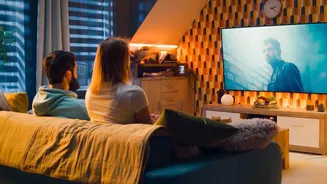
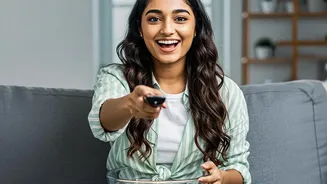
The seeds of the next revolution were planted with growing internet penetration and affordable smartphones. India's first OTT platform, BIGFlix, launched as early as 2008, followed by nexGTv in 2010. However, the real inflection point came with the launch of cheap 4G data services around 2016. This coincided with the entry of global giants Netflix and Amazon Prime Video into the Indian market, joining homegrown players like Hotstar, which had already gained massive traction by streaming IPL cricket matches. Entertainment was no longer tied to a television set or a fixed schedule. It was now personal, portable, and on-demand.
A New Age of 'Originals'
Initially, OTT platforms served as catch-up services for TV shows. The game-changer was the investment in 'digital originals'—high-budget series created exclusively for the platform. Shows like 'Sacred Games' (Netflix) and 'Mirzapur' (Amazon Prime Video) marked a seismic shift. Free from the censorship and formulaic constraints of broadcast television, creators could explore darker themes, complex characters, and gritty realism. These shows offered novelistic storytelling, higher production values, and a finite number of episodes, attracting a younger, urban audience that had grown tired of the endless daily soaps. The success of these originals proved there was a huge appetite for nuanced, bold, and relatable Indian stories that television wasn't telling.