


A Deluge of Destruction
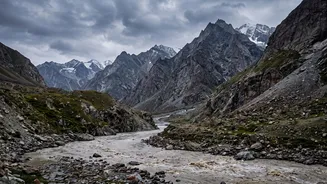
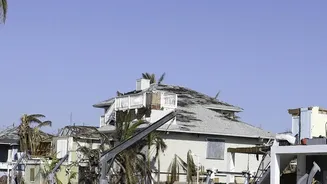
In late August 2026, a torrent of water, mud, and debris surged down the Bhote Koshi river and its tributaries, devastating communities across Nepal's Rasuwa, Nuwakot, and Dhading districts. The death toll has climbed past 900 in Nepal alone, with thousands
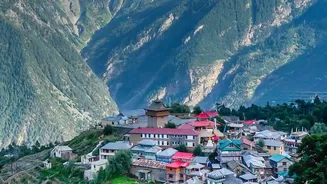
more missing. Survivors describe a sudden wall of water that swept away homes, bridges, and hydropower projects, leaving entire settlements buried in sludge. The disaster crippled critical infrastructure, cutting off roads and hampering rescue efforts for the estimated 93,000 people affected. Preliminary investigations point to a massive ice-and-rock avalanche in the Tibet Autonomous Region of China, which caused the bedrock beneath a glacier to fail and sent a deluge downstream. The rockfall was so powerful it registered as a magnitude 5.2 earthquake.
The Science of a GLOF
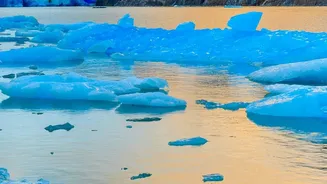
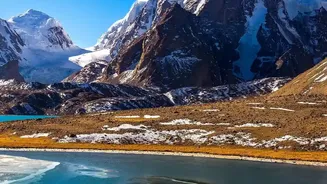
This event is a textbook example of a Glacial Lake Outburst Flood, or GLOF, a phenomenon that scientists have warned about for years. As global temperatures rise, Himalayan glaciers are melting at an alarming rate—65% faster in the last decade than in the one prior. This meltwater pools into lakes, often dammed by unstable mounds of earth and rock called moraines. These natural dams can fail for many reasons: an avalanche crashing into the lake, an earthquake, or simply the immense pressure of the growing body of water behind it. When the dam breaks, the lake can drain with catastrophic speed. In the recent Nepal flood, water levels in some river sections rose by as much as 9 meters in just 30 minutes. Scientists call these formations “ticking time bombs” sitting high in the mountains. Nepal has at least 21 lakes flagged as potentially dangerous.
A Shared Threat for the Region
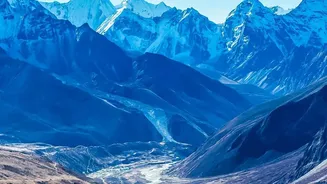
While the latest disaster was centered in Nepal, the threat is not confined by borders. The Hindu Kush Himalaya range, often called the “Third Pole” for its vast ice reserves, is the source of 10 major river systems that support nearly two billion people across Asia. India is particularly vulnerable, with its Himalayan states of Uttarakhand, Himachal Pradesh, Sikkim, and Arunachal Pradesh facing similar risks. The region has at least 47 potentially dangerous glacial lakes across Nepal, China, and India. Past tragedies, such as the 2013 Kedarnath floods and the 2021 Chamoli disaster in Uttarakhand, have already demonstrated the devastating potential of these mountain hazards. As glaciers continue to retreat, the frequency and intensity of such events are projected to increase, threatening downstream communities, agriculture, and crucial infrastructure like hydropower plants.
A Race Against a Melting Clock
The sheer scale of the threat has spurred a race to find solutions. Mitigating GLOF risks is a monumental challenge, requiring a combination of high-tech monitoring and community-level preparedness. International organizations like the United Nations Development Programme (UNDP) and the International Centre for Integrated Mountain Development (ICIMOD) are working with regional governments, including those of Nepal, India, Bhutan, and Pakistan, on risk reduction projects. Strategies include installing sophisticated early warning systems that use sensors and satellite data to monitor lake levels, providing precious minutes for evacuation. In some high-risk cases, ambitious engineering projects are undertaken to carefully drain dangerous lakes and lower the water pressure on their fragile dams. However, these efforts are expensive, technically complex, and hampered by the remote, difficult terrain.