







What Are 'Functional' Drinks?
At its core, a functional beverage is a non-alcoholic drink designed to do more than just hydrate. It’s fortified with added ingredients like vitamins, minerals, herbs, amino acids, probiotics, or botanicals that claim to offer a specific health benefit.
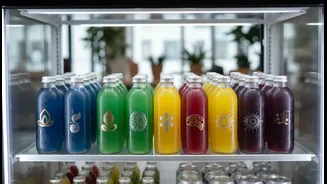
The category is broad, including everything from sports drinks and kombucha to mushroom coffees and 'smart' drinks. The goal isn't just to quench thirst, but to provide targeted support for everything from stress relief and gut health to enhanced energy and focus. These drinks are often positioned as a convenient, tasty alternative to traditional supplements like pills or powders.
A Rapidly Growing Market
The popularity of these beverages has skyrocketed. In India, the functional beverage market is one of the fastest-growing segments, with a projected compound annual growth rate (CAGR) of over 10%. The market size reached approximately USD 6.9 billion in 2025 and is expected to more than double, reaching nearly USD 18.8 billion by 2034. This surge is driven by a post-pandemic shift towards health and wellness, with consumers increasingly seeking out products they believe can actively support their health goals, such as boosting immunity or improving digestion. Major players like Tata and Reliance have also entered the space, further validating it as a mainstream trend.
Decoding the Buzzwords
The labels on these drinks can feel like a different language. Some common terms you'll encounter are 'adaptogens' and 'nootropics'. Adaptogens are herbs and mushrooms, like Ashwagandha and Rhodiola, that are claimed to help the body manage stress and fatigue. Nootropics, sometimes called 'smart drugs', are ingredients like L-theanine (found in green tea) and Lion's Mane mushroom that are purported to support cognitive functions like focus, learning, and memory. You'll also frequently see probiotics and prebiotics, which are linked to supporting a healthy gut microbiome. Probiotics are beneficial live bacteria, while prebiotics are fibres that feed these bacteria.
Do the Claims Hold Up?
This is the billion-dollar question. The answer is complex. Some ingredients do have scientific backing. For example, caffeine is a well-documented stimulant for alertness, and electrolytes in sports drinks genuinely aid rehydration. However, for many other ingredients, the evidence is less conclusive, or the amount included in the beverage may be too small to have a meaningful effect. Experts often caution that while some drinks might offer temporary benefits, they are not a magic bullet or a replacement for a healthy lifestyle. Furthermore, the industry is largely unregulated, meaning brands can make vague claims without rigorous proof. Consumer skepticism is a known barrier for the market, as many people are wary of the marketing hype.
How to Be a Smart Sipper
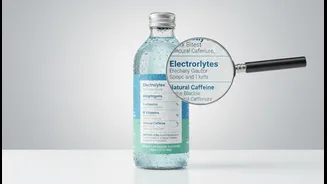
With a flood of options, it’s easy to feel overwhelmed; one study found that nearly half of adults feel this way about the functional beverage aisle. The first step is to read the label carefully. Pay close attention to the sugar content, as many of these 'healthy' drinks can be loaded with sweeteners, which can counteract any potential benefits. Look at the ingredient list and the 'Supplement Facts' panel, which provides more accountability. Be wary of vague claims or 'proprietary blends' that don’t disclose the exact amount of each active ingredient. Finally, manage your expectations. A single drink is unlikely to transform your health. Dietitians generally agree that while some of these beverages can be a fun and convenient part of a balanced diet, they shouldn't be relied upon for essential nutrition.