








The End of an Era: What Changed?
For a while, Thailand was the ultimate easy-access destination for Indian travellers, offering a generous 60-day visa-free stay. That convenience ended in mid-2026. Citing national security and a desire to curb misuse of tourist permissions, the Thai Cabinet
officially removed India from its visa-exemption list. Indian passport holders now revert to the Visa on Arrival (VoA) category. This isn't just a minor tweak; it fundamentally changes the documents and preparation needed before you even think of heading to the airport. The days of simply booking a flight and showing up are over, replaced by a more formal process with specific requirements that are being strictly enforced.
The 'Show Money' Rule Is Back
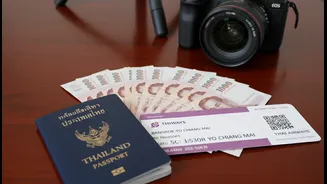
One of the biggest shifts is the strict enforcement of financial proof. Immigration authorities now require travellers entering on a Visa on Arrival to show they have sufficient funds for their stay. The Indian Embassy in Bangkok has specifically advised its nationals to be prepared for this check. The requirement is typically THB 20,000 per person (approximately ₹58,000) or THB 40,000 per family. Crucially, immigration officers may insist on seeing this in cash. While not every traveller is checked, relying on credit cards or digital bank statements is a gamble. This rule is used by officers to ensure tourists can support themselves and to filter out individuals they suspect might be intending to work illegally.
Your New Pre-Travel Checklist
To ensure a smooth entry, last-minute planning needs to be replaced with a thorough document check. First, your passport must have at least six months of validity from your date of arrival. Second, you must have a confirmed return flight ticket and proof of accommodation for your entire stay. Third, all travellers must now complete the Thailand Digital Arrival Card (TDAC) online within 72 hours before arrival. This is a mandatory step, and airlines may deny boarding if you haven't completed it. After submitting the form on the official immigration website, you will receive a QR code that must be presented to officials.
Navigating the Visa on Arrival
With the visa-free scheme gone, Indian travellers must now obtain a Visa on Arrival at the airport. This visa typically allows for a stay of up to 15 days and comes with a fee of around THB 2,000, which must often be paid in cash. This marks a return to the pre-2024 system. For those planning a longer trip, applying for a 60-day tourist e-visa before departure is the better option. Be prepared for potential queues at the VoA counter, especially during peak travel times. Having all your documents in order — passport, return ticket, hotel bookings, TDAC QR code, and sufficient cash — is the best way to expedite the process and avoid being held for secondary inspection.