







The Science of Repair and Growth
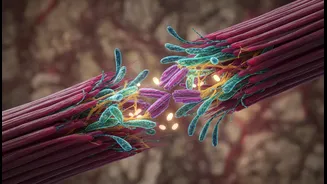
It might feel like progress is only made in the gym, but the truth is that gains happen during recovery. Strenuous exercise, whether it's lifting weights or endurance training, creates microscopic tears in your muscle fibres. This is a normal and necessary
part of getting stronger. However, the actual repair and growth of the muscle—a process called muscle protein synthesis—occurs when you are resting. During rest, cells work to repair these tiny tears, rebuilding the muscle to be stronger and more resilient than before. Without this downtime, you are simply breaking down muscle tissue without giving it the chance to adapt and improve, which can stall your progress entirely.
More Than Just Muscles
The benefits of rest extend far beyond muscle repair. Your entire body uses this time to reset. Intense exercise depletes your body's energy stores, specifically the glycogen in your muscles. Rest days allow these stores to be fully replenished, ensuring you have the energy needed for your next workout and preventing feelings of fatigue. Furthermore, your central nervous system, which is heavily taxed during high-intensity exercise, gets a chance to recover. This helps maintain coordination, reaction time, and motivation. Taking a break also helps balance hormones like cortisol, the body's stress hormone. Constant exercise can lead to an overproduction of cortisol, which can disrupt sleep and weaken your immune system.
The Dangers of Skipping Rest
Consistently pushing your body without adequate recovery can lead to a condition known as Overtraining Syndrome (OTS). Signs of OTS include persistent muscle soreness, a decline in performance, constant fatigue, mood swings, and trouble sleeping. Someone who is overtrained may find that their workouts feel significantly harder, and they may become more susceptible to getting sick as their immune system is compromised. Most significantly, overtraining dramatically increases your risk of injury. When your body is fatigued, your form can suffer, leading to strains, sprains, or more serious issues like stress fractures that can sideline you for weeks or months. Listening to your body and recognizing these signs is crucial for long-term fitness success.
The Art of Active Recovery
A rest day doesn't have to mean being completely sedentary. While passive recovery—complete rest—is sometimes necessary, many people benefit from active recovery. This involves light, low-intensity activity that is significantly less strenuous than your usual workouts. Examples include a gentle walk, a leisurely swim, restorative yoga, or light cycling. The goal of active recovery is to increase blood flow to the muscles, which can help reduce soreness and clear metabolic waste products like lactic acid more quickly than passive rest. It keeps the body moving without adding further stress, promoting faster recovery and leaving you feeling refreshed rather than depleted. The key is to keep the intensity low and the focus on rejuvenation.
How Often Should You Rest?
There is no one-size-fits-all answer to how many rest days you need. It depends on factors like your fitness level, the intensity of your workouts, your age, and your lifestyle. As a general guideline, many experts recommend at least one full rest day each week. For those engaged in heavy resistance training, it's often advised to wait about 48 hours before working the same muscle group again to allow for optimal recovery and growth. The most important rule is to listen to your body. If you feel unusually tired, sore, or unmotivated, it's likely a sign you need a break, regardless of what your schedule says. Don't be afraid to take an unscheduled rest day; it's an investment in your future performance.