


More Than Just a Condiment
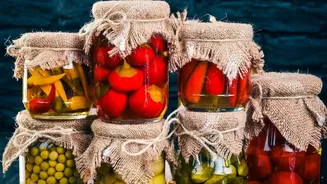
For centuries, before refrigerators became a kitchen staple, pickling was a primary method of food preservation across India. This culinary art was born from a need to make seasonal produce last through lean months, ensuring families had access to fruits
and vegetables year-round. The process, which uses natural preservatives like salt, oil, spices, and sunlight, extends the life of ingredients, drastically cutting down on food spoilage. This inherent resourcefulness is the foundation of a zero-waste kitchen, where every bit of food is valued and utilised, a practice passed down through generations.
The Root-to-Stem Philosophy
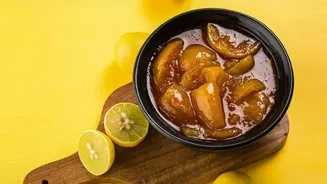
The genius of Indian pickling lies in its 'root-to-stem' or 'nose-to-tail' approach to ingredients. Parts of vegetables and fruits that are commonly discarded in modern cooking become the star of the show in traditional achaar recipes. Think of pickles made from the peels of ridge gourd or the spent shells of lemons after their juice has been used. In many households, even cauliflower stems, radish leaves, and the tough rinds and seeds of watermelons or jackfruit are transformed into tangy, spicy condiments. This practice isn't just about avoiding waste; it's about unlocking flavour and nutrition from every single part of the plant.
Regional Ingenuity in a Jar
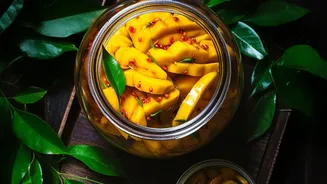
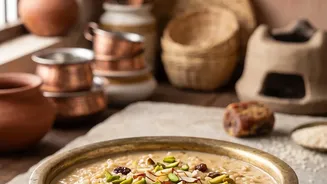
India's diverse culinary landscape is reflected in its pickles, with each region showcasing unique, sustainable practices. In the south, leftover rice from the previous day is often fermented to create 'pazhaya sadam,' a nutritious meal, while the leftover water is not discarded. In Andhra Pradesh, the tough inner kernel of the mango, or 'gotli', is dried and pickled. Similarly, across North India, a popular winter pickle combines carrots, cauliflower, and turnips, often using the entire vegetable. The tradition of using mustard oil in the east and sesame oil in the south is not just for flavour but also for their preservative qualities, which help keep pickles shelf-stable for months or even years.
Preservation as an Act of Sustainability
The science behind pickling is inherently sustainable. The high concentration of salt, acidity from lemons or vinegar, and the antimicrobial properties of spices like turmeric and fenugreek create an environment where spoilage-causing microbes cannot survive. Sun-drying, a key step in many recipes, removes moisture content, further inhibiting microbial growth without using any electricity. This ancient, low-energy preservation technique means seasonal abundance can be enjoyed throughout the year, reducing reliance on out-of-season produce that often carries a higher carbon footprint due to transportation and cold storage.
Modern Lessons from Ancient Jars
In an era where food waste is a major global issue, these traditional practices offer valuable lessons. The wisdom held within a jar of homemade achaar provides a blueprint for a more mindful and sustainable kitchen. It encourages us to see potential in what we might otherwise throw away, from vegetable peels to fruit seeds. Adopting this mindset doesn't require a complete overhaul of our modern lives. It can start simply: by making a broth from vegetable scraps, trying a simple peel chutney, or even attempting a quick pickle with leftover vegetables. These small habits, inspired by our grandmothers' kitchens, can collectively make a significant impact on reducing household waste.