


The Indian car buyer wants it all: a vehicle that’s light on the wallet, sips fuel sparingly, and is packed with the latest tech. This creates a fascinating and complex challenge for automakers, forcing a delicate balancing act.
The Undisputed Reign of Affordability
In a market as price-sensitive
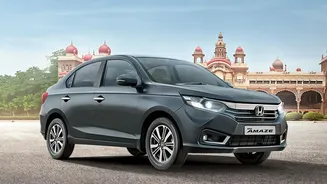
as India, the sticker price remains the single most important factor for a majority of car buyers. Models like the Maruti Suzuki WagonR and Baleno consistently top sales charts for a reason: they deliver dependable mobility without breaking the bank. Automakers are masters of cost-conscious engineering, finding ways to offer practical and spacious vehicles that cater to the budget-conscious first-time buyer and the pragmatic family. This focus on affordability has defined the industry for decades, creating a robust market for hatchbacks and compact sedans. However, the definition of 'affordable' is evolving. While the entry-level segment is still crucial, a growing number of consumers are willing to stretch their budgets for a vehicle that offers more value, signalling a shift from the cheapest option to the smartest one.
The Efficiency Imperative
With fluctuating fuel prices, 'kitna deti hai?' (how much does it give?) is a question that echoes in every showroom. Fuel efficiency is not just a consumer demand; it's a regulatory mandate. India's upcoming Corporate Average Fuel Economy (CAFE) 3 norms, set to be implemented from April 2027, will require manufacturers to meet progressively stricter fleet-wide fuel efficiency targets. These regulations are pushing automakers to innovate aggressively. This has led to a surge in the popularity of CNG variants, which offer significantly lower running costs. Furthermore, hybrid technology is no longer a niche. Mild-hybrids and strong-hybrids, which offer electric assistance to improve mileage, are becoming mainstream. Automakers like Maruti Suzuki and Toyota have found success with strong-hybrid models, and many others, including Hyundai and Kia, are preparing to enter the segment. These technologies serve as a crucial bridge, offering enhanced efficiency without the range anxiety associated with pure electric vehicles.
A Growing Appetite for Technology
Just a few years ago, features like a large touchscreen, a sunroof, or connected-car technology were reserved for premium vehicles. Today, they are key selling points in the compact SUV and even premium hatchback segments. Indian buyers are increasingly willing to pay for a feature-rich experience. This trend extends to safety, with a significant rise in the adoption of Advanced Driver-Assistance Systems (ADAS). Features like adaptive cruise control and autonomous emergency braking are no longer confined to luxury cars, with penetration reaching over 8% in the first half of 2025 and growing rapidly. The market for ADAS in India is projected to grow at a remarkable rate, driven by both consumer demand and an increased focus on safety.
Safety Takes the Spotlight
The conversation around vehicle safety in India has transformed, thanks in large part to the introduction of the Bharat New Car Assessment Programme (Bharat NCAP). This government-backed initiative provides consumers with independent safety ratings, empowering them to make more informed choices. As a result, manufacturers are competing not just on price and features, but also on safety stars. We are seeing a clear trend towards standardising key safety equipment, such as six airbags, even in more affordable models. While the primary goal of Bharat NCAP is to make cars safer for occupants, it also fosters a culture of safety consciousness across the industry. Cars with higher safety ratings are perceived as a better overall value proposition, nudging the entire market towards higher standards.
The Electric and Hybrid Future
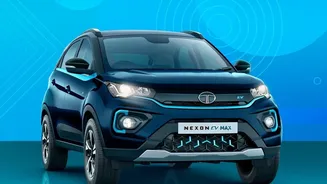
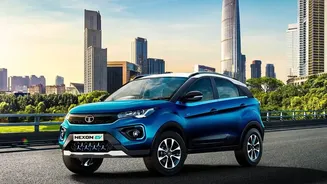
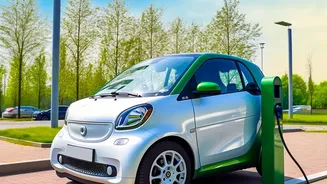
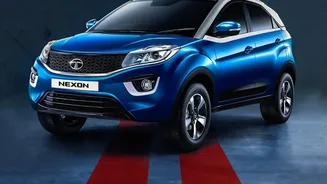
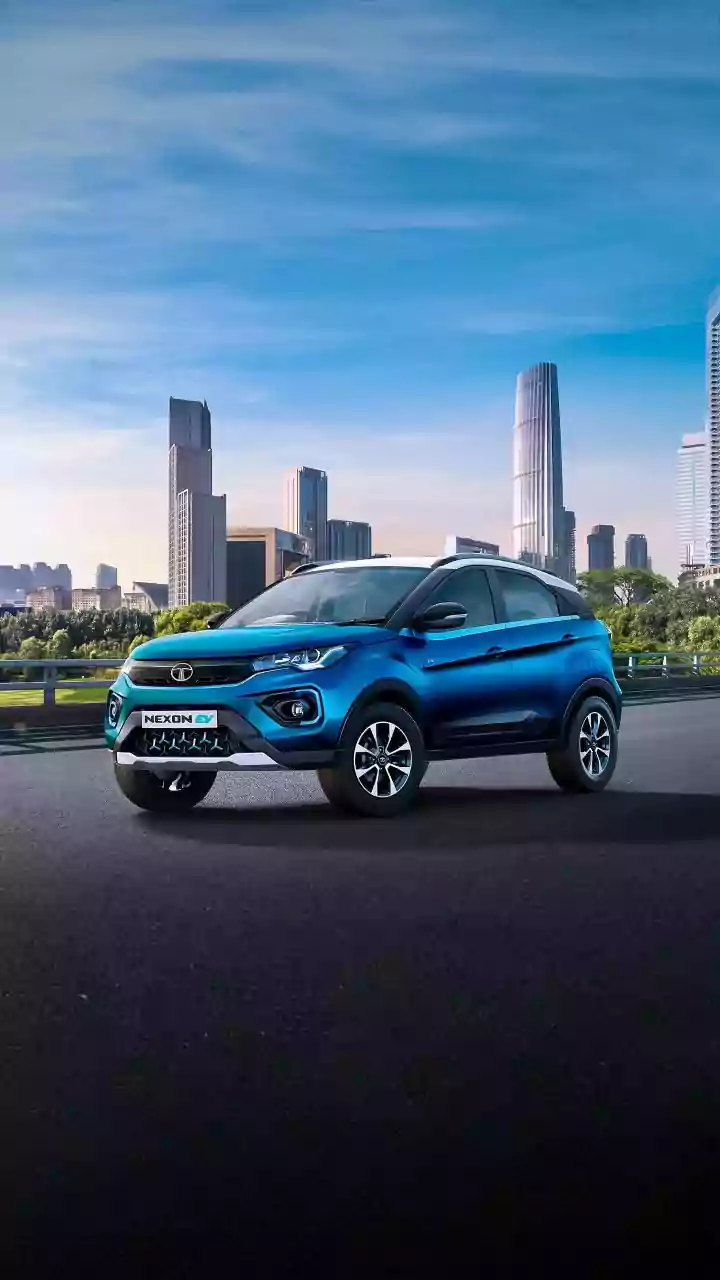
Electric vehicles (EVs) and strong hybrids represent the ultimate intersection of efficiency and technology, but their higher upfront cost remains a barrier to mass adoption. Despite this, the EV market in India is experiencing unprecedented growth, driven by government incentives, rising fuel costs, and an expanding charging network. Tata Motors has established a strong lead in the passenger EV space with models like the Nexon EV, while many other manufacturers are launching their own electric offerings. Hybrids are gaining significant traction as a practical alternative, accounting for over 9% of passenger vehicle retail sales in August 2026. They offer a taste of electrification and lower emissions without demanding a change in user habits, perfectly embodying the market's current balancing act.