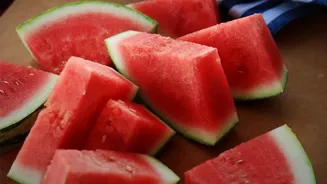




Every summer, countless watermelon rinds end up in the compost bin. But what if that tough, white-and-green shell could be transformed into a delicious, crunchy treat? This thrifty tradition adds value and fights food waste.
A Tradition of Resourcefulness
Turning watermelon rind into
pickles is not a new trend born from modern zero-waste movements; it's a culinary tradition with deep roots, particularly in the American South. For centuries, resourceful cooks have found ways to use every part of the harvest, and the watermelon was no exception. Recipes for pickling the rind appear in cookbooks dating as far back as the late 18th and 19th centuries, showcasing a long history of turning potential scraps into a preserved delicacy that could be enjoyed year-round. This practice was a testament to making food supplies stretch further long before the advent of modern refrigeration.
What Do They Taste Like?
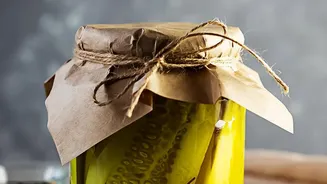
If you've never tried a watermelon rind pickle, you might be imagining something strange. In reality, the rind itself has a neutral flavour, similar to a cucumber, making it a perfect canvas for pickling brine. The most traditional Southern-style recipes create a pickle that is distinctly sweet and tangy, often spiced with cinnamon, cloves, and allspice. The texture is the real star: a satisfyingly crisp and tender crunch that’s a bit like a candied cucumber. However, variations abound, with some preferring a savoury dill and garlic brine, similar to a standard cucumber pickle.
More Than Just a Frugal Hack
Beyond its history and flavour, using the whole watermelon is an economically and environmentally smart choice. By pickling the rind, you are effectively getting more value from a single purchase and significantly reducing your household food waste. The rind itself is also surprisingly nutritious. It contains less sugar and more fibre than the pink flesh and is a notable source of citrulline, an amino acid that can help improve blood flow. The rind also offers vitamins A, C, and B6, along with minerals like potassium.
A Simple Process to Get Started
Making your own watermelon rind pickles is a straightforward process. It begins with preparing the rind. First, you'll use a peeler or knife to remove the tough, outer green skin. Then, you slice the remaining white part of the rind, sometimes with a thin sliver of pink flesh left for colour, into bite-sized cubes or strips. Many traditional recipes call for soaking the rind pieces in a salt water brine overnight to help draw out excess water and ensure a crisp final product. The next day, the rinds are typically boiled until tender before being simmered in a pickling solution of vinegar, sugar, and spices until they become translucent.
How to Enjoy Your Homemade Pickles
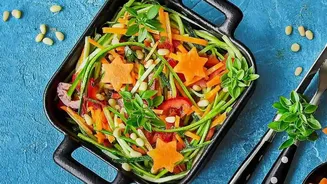
Once you have a jar of these glistening treats, you'll find they are surprisingly versatile. They are delicious eaten straight from the jar as a crunchy snack. Their sweet and tangy profile makes them an excellent addition to a charcuterie or cheese board, where they pair beautifully with salty cured meats and rich cheeses. You can also chop them up and add them to salads for a burst of flavour and texture, mix them into coleslaw, or use them as a relish on sandwiches and burgers. Some even use them as a topping for crackers with cream cheese.