





Why Proper Flour Storage Matters
That paper bag your flour comes in is designed for transport, not for long-term storage. Leaving flour in its original bag is an open invitation to a host of kitchen problems. The primary concerns are pests, moisture, and oxidation. Pantry pests like
weevils can easily chew through paper, laying eggs and contaminating your supply. Moisture, especially steam from cooking, can cause flour to clump and develop mould. Finally, exposure to air causes oxidation, a process where the fats in the flour break down. This is particularly a problem for whole-grain flours, which have a higher oil content from the bran and germ. Rancid flour will have an unpleasant, stale or sour smell and can ruin the taste of anything you bake.
The Enemies: Air, Moisture, and Heat
To keep flour fresh, you must protect it from its three main enemies: air (oxygen), moisture, and heat. The paper bags flour is sold in fail on all three counts. Air leads to oxidation, which degrades the natural oils in the flour and creates off-flavours. Moisture is another major culprit; flour is hygroscopic, meaning it readily absorbs water from the air. This is why storing it near a kettle, dishwasher, or stove is a bad idea. The steam can lead to clumping and create the perfect environment for mould. Heat and light accelerate the process of the oils turning rancid, which is why a cool, dark place is always recommended for storage. Whole wheat and nut flours are especially vulnerable to going rancid quickly because of their higher fat content.
Choosing the Right Storage Container
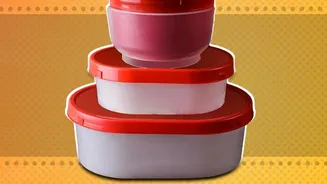
The single most important upgrade you can make is transferring your flour to an airtight container. This creates a vital barrier against pests, moisture, and air. Food-grade plastic containers with gasket-sealed lids are a popular and effective choice, as they are lightweight and stackable. Glass jars are another excellent option, allowing you to see how much flour you have left, though they should be stored in a dark cupboard to protect the flour from light. Stainless steel canisters are also great as they block light completely. Regardless of the material, the seal is the most critical feature. A truly airtight seal will significantly extend the life of all types of flour.
Location, Location, Location: The 'No-Steam' Zone
Where you store your container is just as important as the container itself. The ideal spot is a cool, dark, and dry pantry or cupboard. The absolute worst places are on the counter next to your stove or kettle, or in the cabinet directly above the cooktop. These areas are constantly exposed to fluctuating temperatures and bursts of steam, which can introduce moisture and degrade the quality of your flour. Even if the flour is in a sealed container, repeated exposure to heat can accelerate spoilage. Think about your kitchen workflow and designate a spot for your flour container that is well away from any sources of heat or steam.
To Freeze or Not to Freeze?
For long-term storage, the freezer is your best friend. It dramatically extends the shelf life of flour by slowing down oxidation. This is an especially smart strategy for whole-grain, rye, or nut flours that spoil faster at room temperature. To freeze flour, place it in an airtight container or a heavy-duty freezer bag, removing as much air as possible to prevent freezer burn. All-purpose white flour can last for up to two years in the freezer, while whole-grain flours can last for up to a year. When you're ready to use it, you can generally bake with it straight from the freezer, though some bakers prefer to let it come to room temperature first.
How to Tell if Flour Has Gone Bad
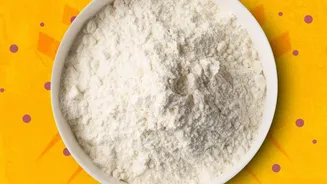
Before you bake, it's wise to give your flour a quick check, especially if it’s been stored for a while. The most reliable indicator of spoilage is smell. Fresh flour has a neutral, almost unnoticeable scent. If your flour smells musty, sour, or like old crayons, it has likely gone rancid and should be discarded. Visually, you should look for any signs of discolouration; fresh white flour should not have a yellowish tinge. Also, check for clumps, which could indicate moisture, or the obvious presence of pantry pests. If it smells and looks fine, it's generally safe to use.