






The Layering System Is Your Best Friend
The cornerstone of any multi-climate packing strategy is layering. Instead of packing bulky, single-purpose items like a heavy winter coat, think in terms of a three-part system that works together. Start with a moisture-wicking base layer, like a synthetic
or merino wool t-shirt, which keeps you dry and comfortable. Add a mid-layer for insulation, such as a lightweight fleece or a thin cashmere sweater. Finally, top it off with a waterproof and windproof outer shell or a packable down jacket. Each piece is lightweight on its own, but when combined, they can handle surprisingly cold temperatures. When the sun comes out, you simply shed layers as needed.
Choose Your Fabrics Wisely
The weight and bulk of your clothes come down to fabric. For multi-climate travel, some materials are simply superior. Merino wool is a travel superstar because it regulates body temperature, resists odours (meaning you can wear it multiple times), and is incredibly lightweight. Performance synthetics like polyester and nylon are also excellent choices; they don't wrinkle easily and dry incredibly fast, making them perfect for a quick sink wash. While comfortable, cotton is generally best avoided as a primary travel fabric because it's heavy, holds moisture, and takes a long time to dry. A good rule is to focus on versatile, high-performance fabrics that earn their spot in your bag.
Embrace Multi-Purpose Gear
To stay under the seven-kilo limit, every item should work hard. Think about pieces that can serve multiple functions. A large sarong or pashmina can be a scarf in the cold, a beach cover-up in the heat, or even a makeshift towel. Convertible trousers that zip off into shorts give you options for hiking and city strolling. For footwear, which is often the heaviest category, limit yourself to three pairs at most: a comfortable pair for walking, a smarter pair for evenings, and a specialised pair like sandals or hiking boots if necessary. Always wear your heaviest and bulkiest pair of shoes on the plane to save crucial weight and space in your bag.
The Magic of Packing Cubes
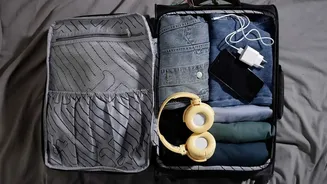
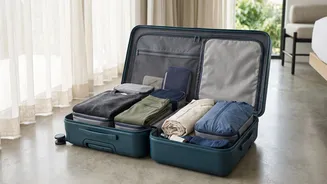
Packing cubes are essential for organisation and space-saving. These zippered fabric containers allow you to categorise and compartmentalise your clothing. You can designate one cube for warm-weather gear and another for cold-weather items, making it easy to find what you need without rummaging through your entire bag. For maximum efficiency, use compression packing cubes. These have an extra zipper that squeezes out excess air, significantly reducing the volume of your clothes. By rolling or folding items tightly within the cubes, you can create a dense, organised block that plays like a game of Tetris inside your luggage, freeing up valuable space for other essentials.
Downsize Your Toiletries and Tech
Liquids and electronics are surprisingly heavy. Instead of packing full-sized bottles, switch to solid toiletries. Shampoo bars, conditioner bars, and solid perfume are lightweight, spill-proof, and don't count towards your liquid allowance. For any remaining liquids, use small, refillable 100ml bottles. This approach also applies to your electronics. Avoid bringing multiple chargers by investing in a single GaN (Gallium Nitride) charger with multiple ports to power your phone, camera, and other devices from one plug. A slim power bank is often more practical than a bulky one. Every gram counts, and these small swaps can add up to significant weight savings.