








What is Food Fortification?
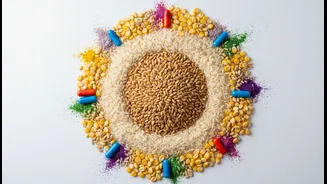
Food fortification is the process of adding essential vitamins and minerals to everyday staple foods to boost their nutritional value. Think of it as a nutritional top-up. The Food Safety and Standards Authority of India (FSSAI) leads this initiative
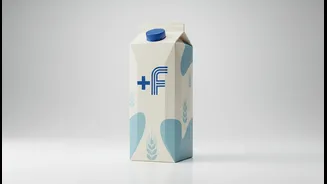
to help combat widespread nutrient deficiencies. When you see the blue circle with a '+F' logo on a package, it's a certified sign that the product has been fortified according to government standards. This doesn't change the taste, smell, or texture of the food, making it an easy way to get extra nutrients into your daily meals.
Why India Needs Fortification
India faces a significant public health challenge known as "hidden hunger," where people get enough calories but lack essential micronutrients. National surveys show alarming rates of deficiencies; for instance, a large percentage of women and children are anaemic due to iron deficiency. Similarly, deficiencies in Vitamin D, Vitamin B12, and iodine are widespread across the population. These shortages can lead to serious health issues, including poor growth, weakened immunity, and cognitive impairments. Fortifying staples like salt, milk, and flour is a cost-effective strategy to deliver these crucial nutrients to a large number of people without requiring them to change their eating habits.
The 'Superstars' of the Pantry
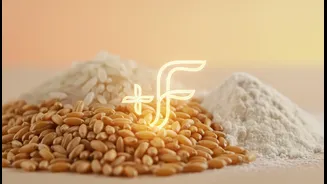
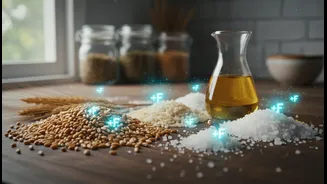
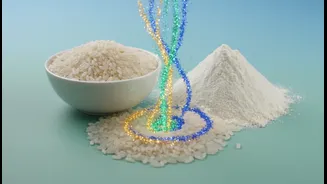
Several key items in a typical Indian kitchen are part of the fortification program. Iodised salt was one of the earliest and most successful examples, drastically reducing goitre and other iodine deficiency disorders. Today, you'll commonly find milk and edible oils fortified with Vitamins A and D, which are crucial for immunity and bone health. Staple grains like wheat flour (atta) and rice are often fortified with iron, folic acid, and Vitamin B12 to combat anaemia and support overall energy. These foods act as vehicles to carry essential nutrients into the diets of millions.
The Crucial 'But': It's Not a Full Meal
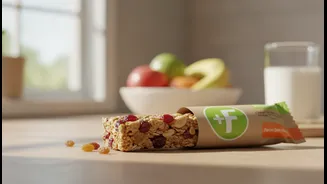
Here is the most important takeaway: fortified food is not a substitute for a balanced diet. Fortification primarily addresses micronutrients—vitamins and minerals. It does not typically add macronutrients like protein and fibre, or the vast array of beneficial compounds found in whole foods like fruits, vegetables, and lentils. A fortified biscuit is still a biscuit, often high in sugar and refined flour; the added vitamins don't cancel out its other attributes. Relying solely on fortified products can create a false sense of nutritional security while neglecting the broader benefits of a diverse diet.
How to Explain It Simply to Others
When talking to family and friends, avoid complex terms. Use simple analogies. You can say, "Think of fortification like a small insurance policy for your diet. It helps fill a few specific gaps, but you still need to eat your dal, sabzi, and salad for overall health." Or, "It's a top-up, not a trade-off. It adds a little extra goodness to the foods we already eat, but it doesn't make junk food healthy." The key is to frame it as a helpful supplement to a healthy plate, not a replacement for one. Emphasise that the goal is always a diet rich in a variety of natural foods.