

The Tiffin Gets an Upgrade
For generations, the stainless steel tiffin, or 'dabba', has been a symbol of a home-cooked meal delivered with love. Its stacked compartments kept roti, sabzi, dal, and rice separate, a practical solution for office-goers and schoolchildren alike. But
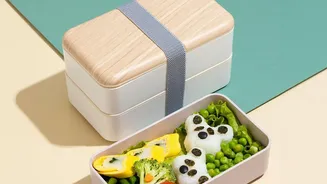
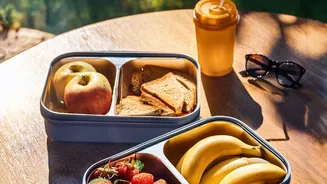
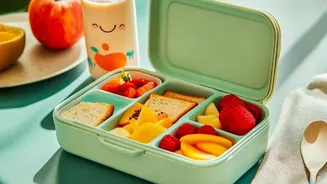
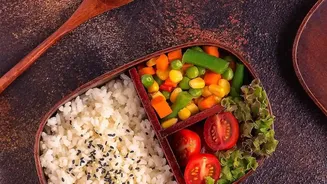
now, a new contender is entering the Indian kitchen: the bento box. Originally from Japan, the bento is a single-portion meal packed in a compartmentalised container. While the Indian tiffin is prized for its rugged functionality, the bento box brings an element of visual organisation and portion control that is resonating with a new generation. The core idea isn't new to India, but the execution offers a modern twist on the familiar packed lunch.
Why Bento Boxes Work for Indian Food
The appeal of the bento box for Indian cuisine lies in its clever design. The multiple compartments are perfect for the diverse components of an Indian meal. It solves the age-old problem of a soggy roti soaking up curry or a salad wilting next to warm rice. Each dish—be it a dry sabzi, a portion of paneer butter masala, some jeera rice, or a serving of dal—gets its own dedicated space, preserving its individual flavour and texture until lunchtime. This separation is a game-changer, especially for office workers and parents packing lunches for picky eaters. Furthermore, the format naturally encourages portion control and a balanced meal, with dedicated spots for carbs, proteins, vegetables, and even a small sweet treat.
Building the Perfect Indian Bento
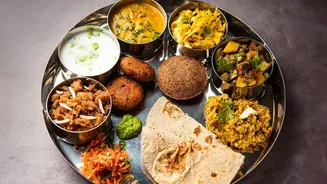
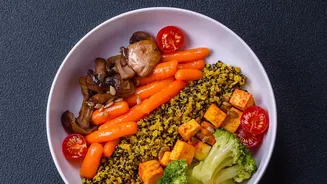
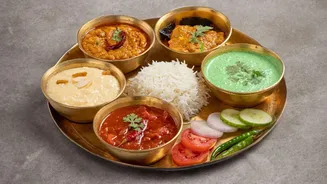
Creating an Indian bento is all about balance and variety. The goal is a meal that is both nutritious and visually appealing. Think of it as a mini thali in a box. A well-packed Indian bento often follows a simple formula. Start with a main carbohydrate, which could be two neatly folded rotis, a portion of vegetable pulao, or some steamed rice. Next, add a protein source. This is where favourites like paneer tikka, chana masala, or a hearty dal tadka come in. Fill another compartment with a vegetable dish, like aloo gobi or a simple stir-fry. The remaining smaller sections are perfect for accompaniments. A cooling cucumber raita, a fresh kachumber salad, a spoonful of pickle, or a few pieces of fruit can complete the meal. For a sweet ending, a single gulab jamun or a piece of barfi fits perfectly.
Sample Bento Box Ideas
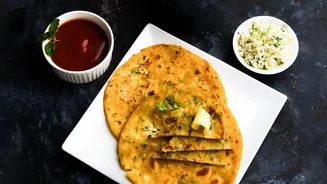
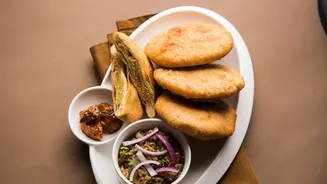
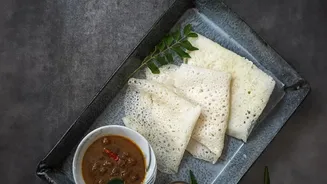
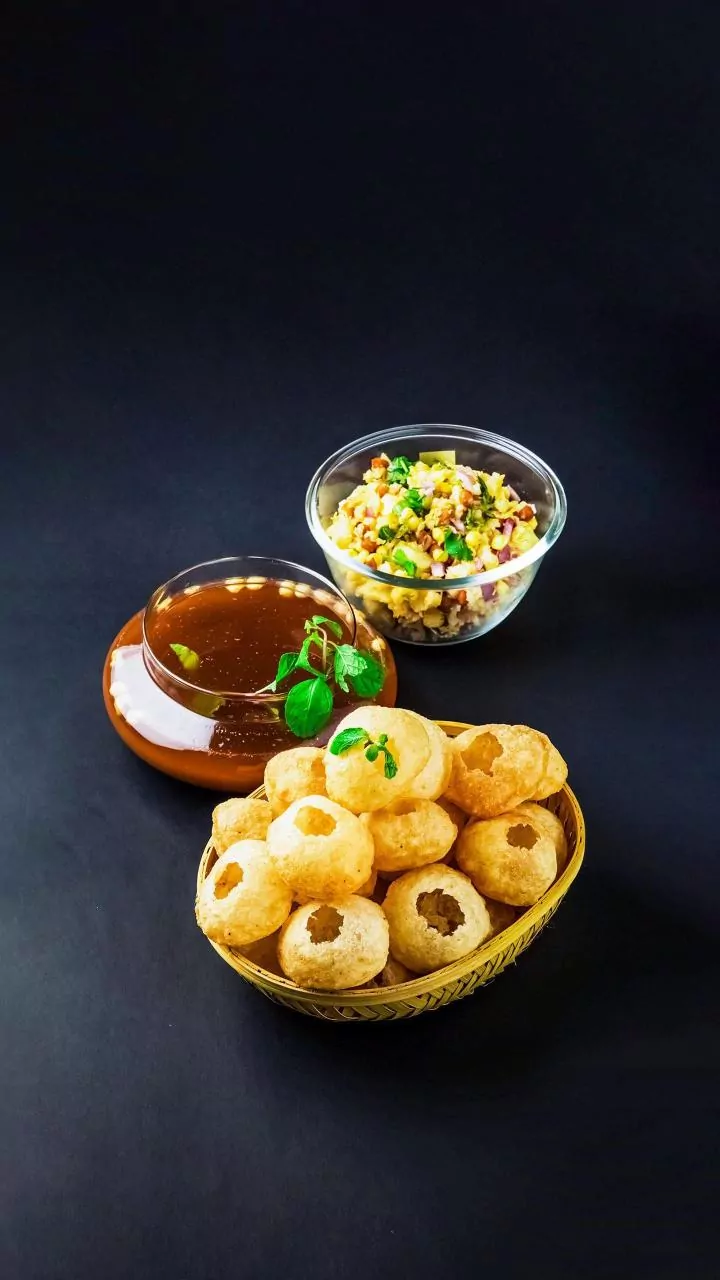
Need some inspiration? The possibilities are endless, but here are a few combinations to get you started. For a classic North Indian feel, try pairing two rotis with matar paneer, a side of bhindi fry, and a small container of dahi. A South Indian-inspired box could feature lemon sevai, a couple of mini masala dosas, coconut chutney, and a few slices of mango. You could also create a protein-heavy box with a rajma salad, quinoa pulao, and some grilled paneer cubes. Even street food can get the bento treatment with mini aloo parathas, a mint-coriander chutney, and a small serving of chana chaat. The key is to cool all cooked items before packing to prevent sogginess and ensure freshness.
More Than Just a Meal
The adoption of the bento box is more than just a practical choice; it's part of a larger wellness and lifestyle trend. Driven by social media platforms where visually perfect meals reign supreme, the aesthetic appeal of a neatly arranged bento is undeniable. For parents, it's a creative way to make healthy food more attractive to children, encouraging them to eat a variety of items they might otherwise refuse. For adults, it encourages mindful eating—the act of assembling a beautiful, balanced meal can make lunchtime feel more intentional and less like a rushed necessity. It represents a fusion of global ideas, taking a Japanese concept of disciplined presentation and applying it to the vibrant, diverse flavours of Indian home cooking.