






The Sweetener Trap
It’s a common sight in any grocery store aisle: packages proudly proclaiming 'no added sugar' or sweetened with natural alternatives like stevia or monk fruit. While reducing added sugar is a positive step, simply replacing it doesn't guarantee a snack
is nutritious. Many of these products fall into the category of ultra-processed foods, which are formulated with additives to enhance flavour and texture. These snacks might be low in sugar but can still be high in refined carbohydrates, unhealthy fats, and sodium, while offering little in terms of essential nutrients. This creates a 'health halo,' where the low-sugar claim makes us perceive the entire product as healthy, overlooking other less desirable ingredients.
The Power of Protein and Fibre
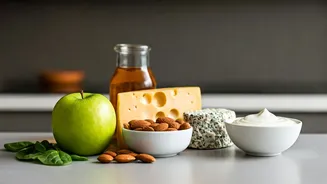
So, what should we look for instead? Nutrition experts agree that a truly satisfying and healthy snack contains a combination of protein and fibre. Protein is crucial for building and repairing tissues and helps keep you feeling full, which can prevent overeating later. Fibre, found abundantly in fruits, vegetables, and whole grains, aids digestion and helps stabilize blood sugar levels, preventing the energy spikes and crashes associated with sugary treats. A snack that combines these two nutrients provides sustained energy and genuine nourishment. Think of an apple with a tablespoon of peanut butter, or Greek yogurt with a handful of berries. These pairings deliver a powerful punch of nutrients that keep you satisfied far longer than a processed, sugar-free cookie.
Don’t Fear Healthy Fats
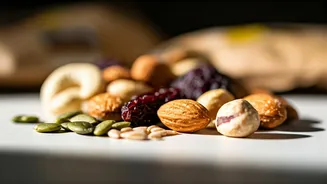
Fat has been unfairly villainized for decades, but not all fats are created equal. Healthy fats, like those found in nuts, seeds, and avocados, are essential for brain health and provide a slow-releasing source of energy. Including a source of healthy fat in your snack helps increase satiety and can make your snack more enjoyable and filling. A handful of almonds, some roasted chickpeas, or a few slices of avocado on a whole-grain cracker are excellent choices. These options provide a balanced mix of macronutrients—protein, fibre, and fats—that work together to fuel your body effectively between meals.
The Problem with Ultra-Processing
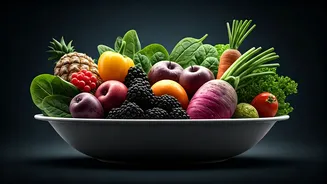
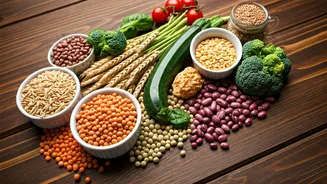
One of the biggest pitfalls in modern snacking is the prevalence of ultra-processed foods (UPFs). These are industrial formulations made from substances extracted from foods or synthesized in labs, often containing numerous additives. Many 'healthy' snack bars, flavoured yogurts, and packaged crackers fall into this category. Even if they are low in sugar, UPFs are often stripped of the beneficial fibre and micronutrients found in whole foods. Research has linked high consumption of UPFs to various health issues. A better approach is to prioritize whole or minimally processed foods. This means choosing foods that are as close to their natural state as possible, like fresh fruit, raw vegetables, or plain nuts and seeds.
How to Read the Label
Navigating the grocery store becomes much easier when you know what to look for. Instead of just glancing at the sugar content on the front of the package, turn it over and read the ingredients list. The most wholesome snacks have short, recognizable ingredient lists. If a whole food like an apple, nut, or whole grain is the first ingredient, that’s a great sign. Be wary of long lists of chemical-sounding names and multiple types of hidden sugars (like corn syrup, dextrose, or cane juice). Also, pay attention to the serving size to ensure you’re not consuming more calories, sodium, or fats than you intend.
Building a Truly Healthy Snack
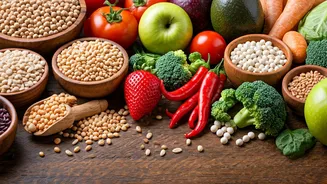
Creating a healthy snack doesn't have to be complicated. The goal is to combine nutrient-dense foods that you enjoy. A simple framework is to pair a source of protein and/or healthy fat with a high-fibre carbohydrate. Some easy and delicious ideas include: celery or carrot sticks with hummus; a small bowl of cottage cheese with sliced peaches; a hard-boiled egg with a handful of cherry tomatoes; or plain popcorn seasoned with herbs. By focusing on whole-food ingredients, you ensure your snack is not just filling a gap but actively contributing to your overall health and well-being.