
The Lithium-Ion Bottleneck
The heart of nearly every modern electric vehicle is a lithium-ion (Li-ion) battery. While effective, these batteries rely on materials with significant supply chain challenges. Key ingredients like lithium, cobalt, and nickel are not only expensive but
their global supply is concentrated in a few countries, leaving India dependent on imports. China, for instance, dominates the processing and refining of these critical minerals. This geopolitical concentration creates vulnerabilities, including price volatility and supply disruptions, which directly impact the final cost of an EV in an Indian showroom. The high cost of these imported raw materials is a fundamental barrier to making EVs affordable for the mass market in India.
Sodium-Ion: The Abundant Alternative
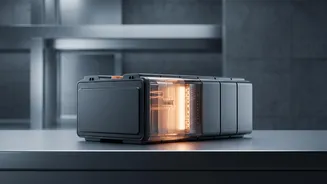
Enter the sodium-ion (Na-ion) battery, a technology that works on similar principles to Li-ion but uses a far more common and accessible element: sodium. Sodium is the sixth most abundant element on Earth, readily available in seawater and rock salt. This sheer abundance is its greatest strength. Unlike lithium, which is geographically concentrated and subject to price spikes, sodium is widely distributed and fundamentally cheaper. The primary raw material for sodium-ion batteries, sodium carbonate, costs a fraction of battery-grade lithium carbonate, creating a structurally lower cost floor for the technology. This shift in materials offers India a powerful route to energy self-reliance and supply chain resilience, aligning perfectly with the 'Make in India' initiative.
Breaking Down the Cost Savings
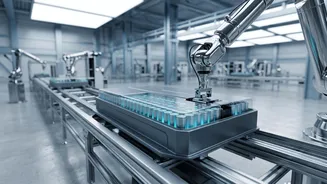
The cost reduction with sodium-ion technology is not just about swapping lithium for sodium. It extends to other components of the battery cell. For instance, Na-ion batteries can use aluminum for both the anode and cathode current collectors, whereas Li-ion batteries require more expensive copper for the anode side. This change alone can contribute significantly to lowering material costs. Experts estimate that using sodium and eliminating the need for cobalt and nickel could reduce a battery's material expenses by 30-40%. Furthermore, since Na-ion cells can be manufactured on existing Li-ion production lines with only minor modifications, manufacturers can avoid massive capital expenditure on new factories, accelerating the path to commercialization and keeping production costs down.
Are There Any Downsides?
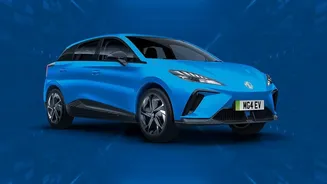
While the cost benefits are compelling, sodium-ion technology currently has one main trade-off: lower energy density. This means that for the same weight, a Na-ion battery stores less energy than a high-end Li-ion battery. In practical terms, this could translate to a shorter driving range for an electric car. An EV with a Na-ion battery might offer a range of around 350 km, compared to the 400-600 km possible with premium Li-ion chemistries. However, this technology is rapidly improving, and for many use cases in India—such as electric two-wheelers, three-wheelers, and city-based passenger cars—this range is more than sufficient. Additionally, Na-ion batteries offer superior performance in extreme temperatures, both hot and cold, and are considered safer due to a lower risk of thermal runaway, which are significant advantages for the Indian climate and road conditions.
India's Strategic Push for Self-Reliance
Several Indian companies are spearheading the development and commercialization of sodium-ion technology. Firms like Indi Energy are not just assembling cells but are developing proprietary materials, including anodes made from agricultural waste like rice stubble, creating a truly indigenous supply chain. This innovation tackles both energy security and environmental challenges. Major corporations like Reliance Industries have also invested heavily, acquiring UK-based Na-ion specialist Faradion to bring the technology to India at scale. With support from government initiatives and academic institutions, these companies are aiming for large-scale deployment between 2026 and 2028, initially targeting the two- and three-wheeler segments and stationary energy storage before moving into passenger vehicles.