
An Art Gallery at 10,000 Feet
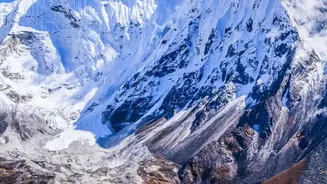
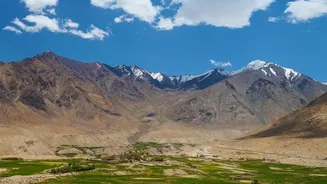
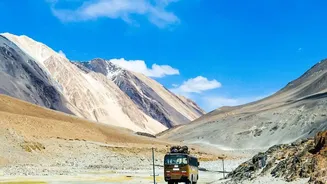
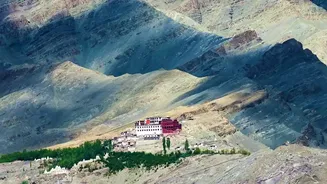
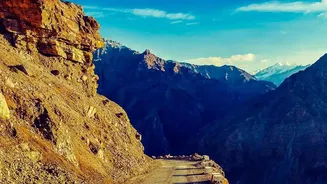
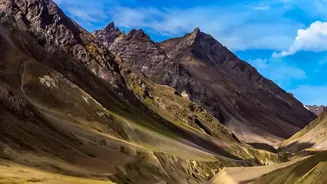
Imagine driving along the winding roads of the Himalayas, where every turn reveals not just a new mountain vista, but a striking contemporary art installation. This is the vision behind the sā Ladakh Biennale, which has effectively created a 200-kilometre-long
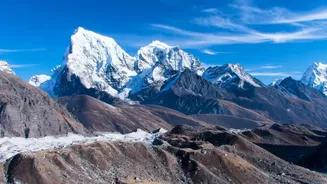
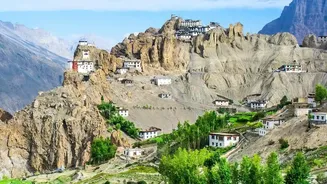
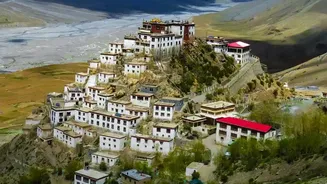
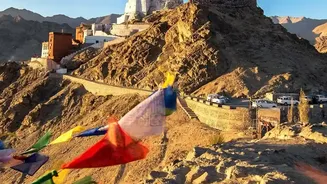
art trail stretching from Leh to Kargil. Billed as the world's highest regenerative art biennale, the event uses the dramatic landscape itself as its gallery. Instead of white-walled rooms, artworks are situated in villages, against mountain backdrops, and near historic sites, creating a dialogue between the art and the environment. The installations are spread across eight key locations, including Leh, Likir, Lamayuru, and Kargil, turning the journey between them into a cultural treasure hunt.
Art with a Conscience
This is more than just placing sculptures in a beautiful setting. The name 'sā' means 'soil' in the Ladakhi language, and the project is deeply rooted in principles of sustainability and ecological awareness. A core focus of the biennale is 'regenerative art,' which emphasizes the use of locally sourced, biodegradable, and recycled materials. Artists, both from Ladakh and around the world, are encouraged to create works that interact with the landscape rather than impose upon it. For instance, one installation features living clay vessels embedded with seeds that evolve during the festival, while another uses colorful wool to revive an abandoned village. These pieces are designed to spark conversations about climate change, local culture, and the delicate balance between humanity and nature in this fragile ecosystem.
The Journey Is the Destination
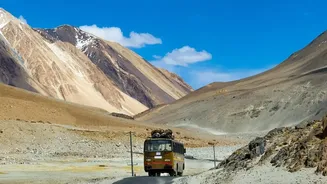
For travelers, the art trail offers a completely new way to experience a region that is often defined by its monasteries and pristine lakes. The drive between Leh and Kargil is already spectacular, but the biennale transforms it from a transit route into an immersive cultural experience. It encourages a slower, more mindful form of travel, inviting visitors to stop in lesser-known villages and engage with local communities. Rather than rushing to check off major landmarks, the trail prompts exploration and discovery, where the art becomes a guide to understanding the local history, traditions, and environmental challenges. It's a journey that connects contemporary creativity with ancient heritage, from modern installations to the centuries-old rock carvings that also dot the region.
The Making of a Bucket-List Item
So what gives this art trail its bucket-list potential? It’s the unique fusion of adventure, culture, and accessibility. Ladakh is already a top-tier destination for road trippers and adventure seekers. The art trail adds a powerful new layer to that classic journey, making it a one-of-a-kind global attraction. The project was founded in 2023 by a team including mountaineer Tenzing Jamyang and artist Raki Nikahetiya, growing from a local land-art exhibition into a full-fledged biennale. By making the event non-ticketed and open to all, organizers have ensured its accessibility. This combination of raw natural beauty, world-class contemporary art, and a powerful message of sustainability creates an experience that is both visually stunning and intellectually engaging—the very definition of a journey worth taking.