





Embrace Tradition: The Banana Leaf Plate
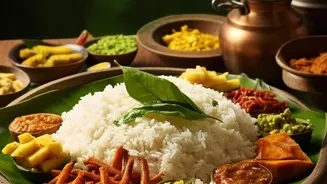
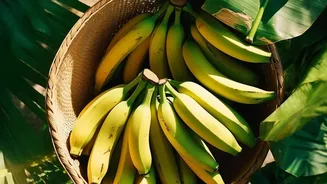
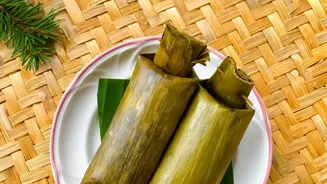
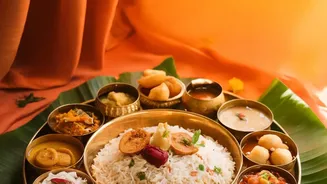
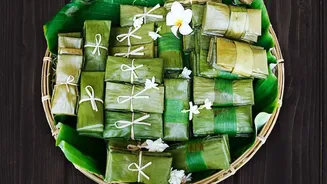
Long before disposable plates became the norm, banana leaves were the original eco-friendly tableware in many parts of India, especially the South. Serving a festive meal on a banana leaf is not just a nod to tradition; it’s an inherently sustainable
choice. These large, waterproof leaves are completely biodegradable, breaking down in a matter of weeks, unlike plastic or styrofoam which can take hundreds of years to decompose. They require minimal cleaning—just a simple rinse with water—making them a hygienic option for serving guests. The practice is deeply embedded in Indian culture, representing growth and purity. When hot food is served on them, the leaves release polyphenols, natural antioxidants that are also found in green tea, which can be absorbed by the food. This adds a subtle, earthy aroma and flavour that enhances the entire meal.
Source Locally: The Power of Regional Produce
A sustainable feast begins with its ingredients. Sourcing produce locally and organically is one of the most impactful choices a host can make. It reduces the carbon footprint associated with long-haul transportation and supports local farmers and economies. To find the best regional produce, look for local farmers' markets, which are becoming more common in Indian cities, directly connecting consumers with growers. Community-Supported Agriculture (CSA) models and organic delivery services are also gaining traction, offering access to fresh, seasonal, and chemical-free ingredients. When shopping, ask suppliers about their certification and traceability. Look for certifications like India Organic (NPOP) or Participatory Guarantee System (PGS-India) to ensure the products are genuinely organic. Planning your menu around seasonal availability not only ensures fresher, more flavourful dishes but is also more cost-effective.
Crafting a Low-Waste Festive Menu
Designing your menu with sustainability in mind is a creative and rewarding process. Focus on dishes that celebrate the season's bounty. For winter festivals like Makar Sankranti, incorporate ingredients like sesame and jaggery, or make classics like Gajar Ka Halwa. For autumn festivals like Diwali, celebrate with sweets like Puran Poli or Mysore Pak. The key is to practice “root to leaf” cooking, a concept traditional to many Indian kitchens. Use vegetable scraps, peels, and stems to make flavourful stocks for dals or soups. Turn leftover rice into tamarind or lemon rice for the next day. Stale rotis can be repurposed into crispy snacks. By consciously using the whole ingredient, you not only minimise food waste but also discover new flavours and textures, honouring the resourcefulness embedded in Indian culinary heritage.
Beyond the Plate: A Zero-Waste Ambience
Sustainability extends beyond the food and tableware. To create a truly eco-friendly festive atmosphere, rethink your decorations and other hosting elements. Instead of single-use plastic decor, opt for reusable items. Traditional earthen diyas are a beautiful and biodegradable alternative to electric fairy lights. Use natural elements like flowers, leaves, and mango-leaf 'torans' for decoration. For rangoli, use natural powders like rice flour, turmeric, and kumkum instead of synthetic colours. When it comes to cleanup, make a conscious effort to manage waste. Segregate wet and dry waste, and compost all organic matter, including the used banana leaves, which will turn into nutrient-rich soil. Encourage guests to participate by setting up clearly labelled bins. Small changes, like using cloth napkins instead of paper ones and providing filtered water in jugs instead of offering plastic bottles, collectively make a significant difference.