



Why Gentle is Better
After days of rich, oily, and sugary foods, it’s tempting to try a quick-fix juice cleanse or restrictive diet. However, experts agree that these extreme measures can often do more harm than good. Drastic changes can further stress your digestive system,
leading to low energy and an imbalance in your gut microbiome, the community of good bacteria essential for digestion. A gentle reset, on the other hand, focuses on supporting your body’s natural detoxification systems—your liver and kidneys—by providing simple, nourishing foods. The goal is to calm inflammation and ease the digestive workload, not to punish your body for celebrating.
Rehydrate to Feel Great
One of the most immediate and effective first steps is to rehydrate. Festive foods are often high in salt, and alcohol is a diuretic, both of which can lead to dehydration that slows digestion and worsens bloating. Start your day with a glass of warm water, which can help stimulate the digestive tract. Throughout the day, continue sipping on water, herbal teas like ginger or peppermint, or fresh coconut water. Proper hydration helps soften stool and encourages the passage of waste, providing relief from constipation and that heavy feeling.
Embrace Light, Simple Meals
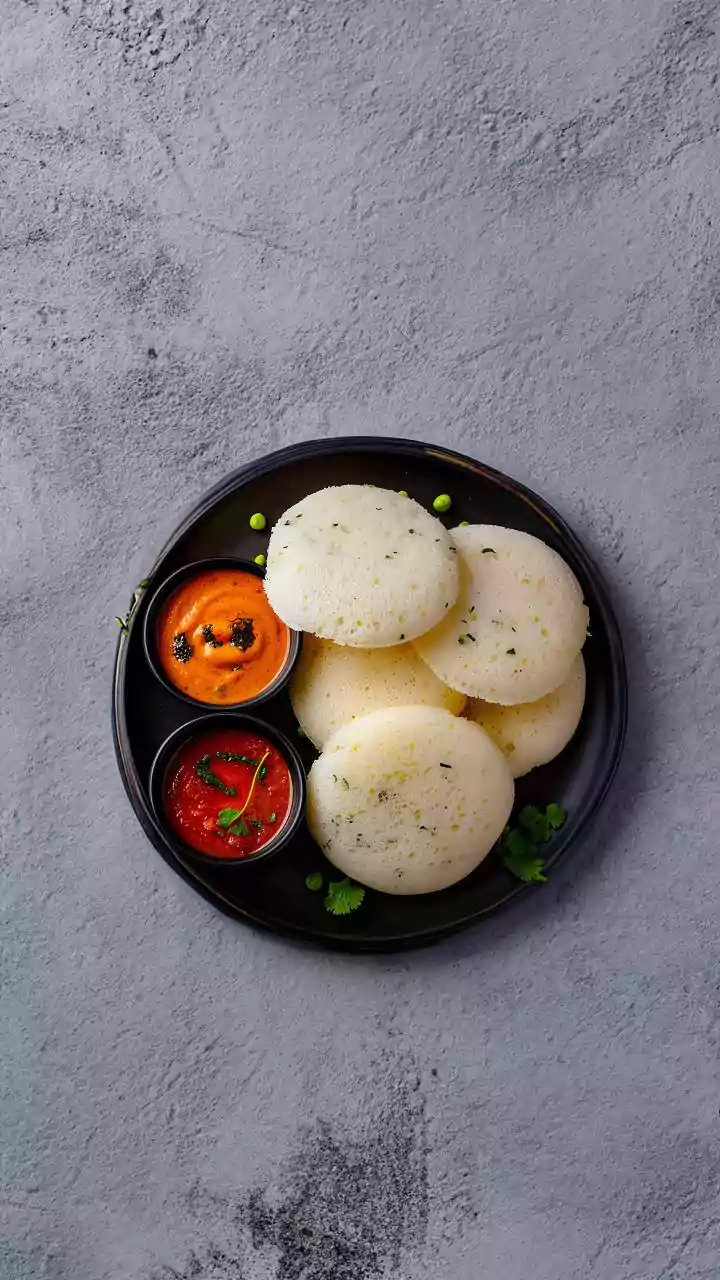
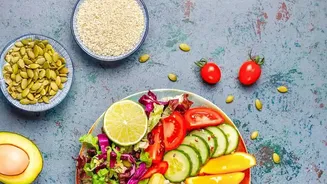
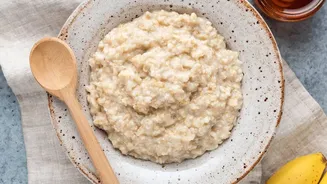
Give your digestive system a break by focusing on foods that are easy to break down. Instead of skipping meals, which can lead to overeating later, opt for smaller, more frequent meals. Traditional Indian comfort foods are perfect for this. A bowl of Moong Dal Khichdi, made with rice and yellow lentils, is a complete protein that is exceptionally gentle on the stomach. Steamed idlis, vegetable daliyan (broken wheat porridge), and simple vegetable soups are also excellent choices. These meals provide essential nutrients without forcing your gut to work overtime. Aim to include lean proteins, such as grilled fish or chicken, and plenty of cooked vegetables.
Support Your Gut Microbiome
The balance of bacteria in your gut can be disrupted by a sudden influx of sugar and processed foods. To restore harmony, introduce probiotic-rich foods into your diet. Yoghurt (curd) and buttermilk (chaas) are fantastic, readily available options that contain beneficial live cultures. Also, focus on prebiotic foods, which are high in fibre and feed the good bacteria. These include vegetables like onions and garlic, fruits like bananas, and whole grains like oats. Slowly increasing your fibre intake helps regulate bowel movements and supports a healthy gut environment.
Listen to Your Body and Move Gently
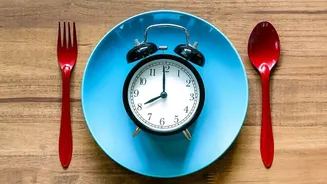
Your body sends clear signals about what it needs. Pay attention to your hunger and fullness cues, eating slowly and mindfully without distractions. It can take up to 20 minutes for your brain to register that you're full, so savouring each bite can prevent you from overeating. While intense exercise might be the last thing on your mind, gentle movement can significantly aid digestion. A short walk after a meal helps lower blood sugar, reduces gas, and can prevent reflux. Staying upright after eating supports the digestive process and helps you feel more comfortable.