




Why We Lost the Stars
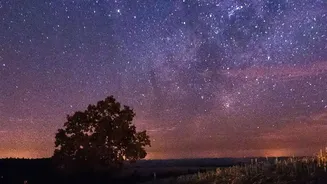
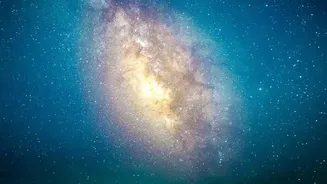
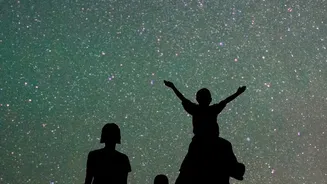
For most of human history, the Milky Way was a nightly spectacle. Today, for a vast majority of Indians, it's completely invisible. The culprit is light pollution, the excessive artificial light from streetlights, buildings, and advertising that creates
a bright haze, or 'skyglow', over urban areas. Cities like Delhi, Mumbai, and Bengaluru are now so bright that only the moon and a handful of stars can pierce the glare. This disconnect from the cosmos is pushing people to travel not for what they can see in the daytime, but for the clarity of the night sky, giving rise to a phenomenon called astrotourism or 'dark sky tourism'.
The Rise of the Astrotourist
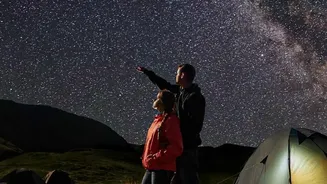
Astrotourism is more than just casual stargazing; it’s about intentionally travelling to destinations with minimal light pollution to experience celestial events. This isn't just a niche hobby for astronomers anymore. It has become a mainstream movement driven by a desire for unique experiences, digital detox, and a reconnection with nature. Following the pandemic, there has been a notable shift towards outdoor, nature-based travel, and astrotourism fits perfectly. Recent Indian space missions have also fuelled public curiosity about the cosmos, transforming a scientific interest into a powerful travel motivator.
India's Premier Dark Sky Havens
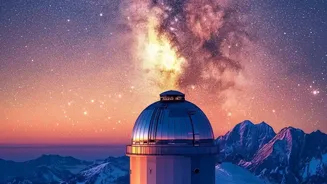
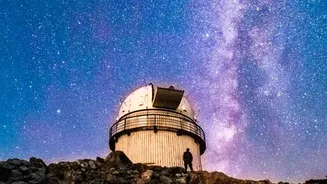
India, with its vast and varied landscapes, offers some of the best stargazing spots in Asia. The undisputed crown jewel is Hanle in Ladakh, home to India's first official Dark Sky Reserve. At an altitude of over 4,500 metres, its dry climate and near-zero light pollution provide exceptionally clear skies for over 300 nights a year. Another high-altitude desert, Spiti Valley in Himachal Pradesh, offers similarly pristine skies in villages like Kaza and Langza. For those seeking different landscapes, the white salt desert of the Rann of Kutch in Gujarat provides a surreal setting where the Milky Way reflects on the salt crust on moonless nights. Other emerging destinations include Coorg in Karnataka, parts of the Andaman Islands, and highland areas in Uttarakhand and Rajasthan.
Planning Your Cosmic Getaway
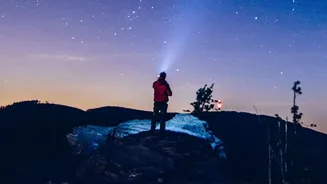
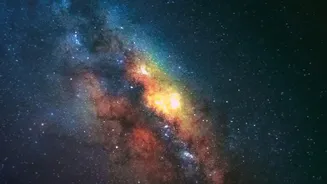
Timing is everything for a successful stargazing trip. The best period to view the magnificent core of the Milky Way in India is during the summer months, from April to August. Crucially, plan your trip around the new moon, when the sky is at its darkest and the stars shine brightest. Even a sliver of moonlight can wash out fainter stars. Many tour operators and resorts now specialise in astro-experiences, offering guided sessions with telescopes and astrophotography workshops. In places like Hanle, local villagers have been trained as 'Astronomy Ambassadors' to guide tourists. Pack warm layers, as temperatures drop significantly at night, especially at high altitudes. A red flashlight is essential, as it preserves your night vision, unlike a standard white light.
More Than Just a Pretty View
The appeal of astrotourism goes beyond the visual spectacle. Many travellers describe the experience of standing under a blanket of stars as deeply therapeutic and humbling. It offers a rare moment of stillness and perspective in our fast-paced lives. For a generation dealing with digital fatigue, a trip to a dark sky location serves as a powerful wellness retreat, encouraging a much-needed disconnect from screens. It's an opportunity to experience profound solitude and a sense of awe, reminding us of our place in a vast and beautiful universe. This growing trend is not just about seeing the Milky Way; it's about finding a deeper connection to the world and ourselves.