



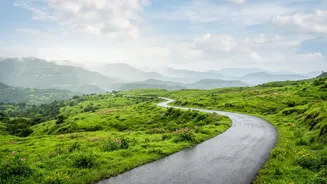
Embracing the Monsoon Magic
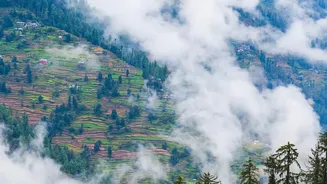
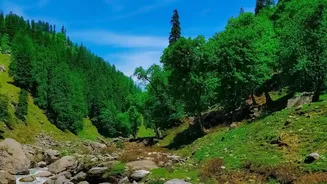
The monsoon season, typically from July to September, reimagines the landscapes of Shoja and Tirthan Valley. The rain washes the deodar forests clean, leaving behind a scent of fresh pine and wet earth. Unlike commercial hill stations, these valleys become
quieter and more atmospheric, with clouds drifting through the green hills and the sound of rain creating a cinematic backdrop. This period is ideal for travellers seeking solitude, lush scenery, and a break from the usual tourist rush. The rivers and waterfalls, swollen with rainwater, add a powerful and vibrant energy to the otherwise serene environment. It’s a time for slow travel—relaxing in a cosy homestay with a book and a cup of tea while watching the mist roll in.
Tirthan Valley: A Riverside Paradise
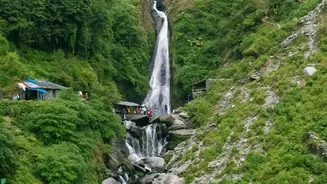
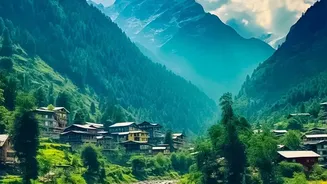
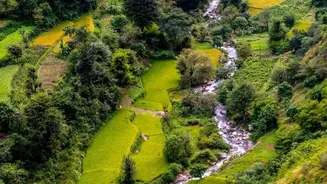
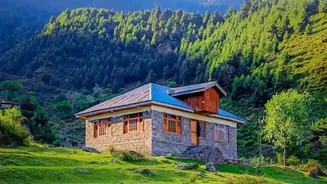
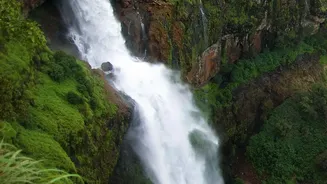
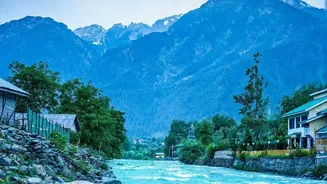
Named after the pristine Tirthan River, this valley is a designated eco-zone and gateway to the Great Himalayan National Park, a UNESCO World Heritage Site. During the monsoon, the river flows with full force, and the surrounding forests become incredibly vibrant. While heavy rains can make some core zone treks in the national park inaccessible, there are still plenty of gentle activities to enjoy. Leisurely walks along the riverbanks, exploring quaint villages like Gushaini and Nagini, and trying your hand at trout fishing are popular pastimes. The valley is dotted with traditional wooden homestays that offer an authentic Himachali experience, complete with delicious local cuisine. Waterfalls like Chhoie come alive during this season, offering a spectacular sight for those willing to take a short hike.
Shoja: The Quiet Hamlet in the Clouds
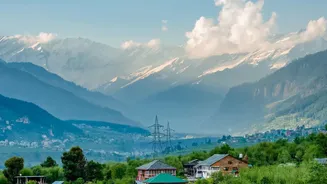
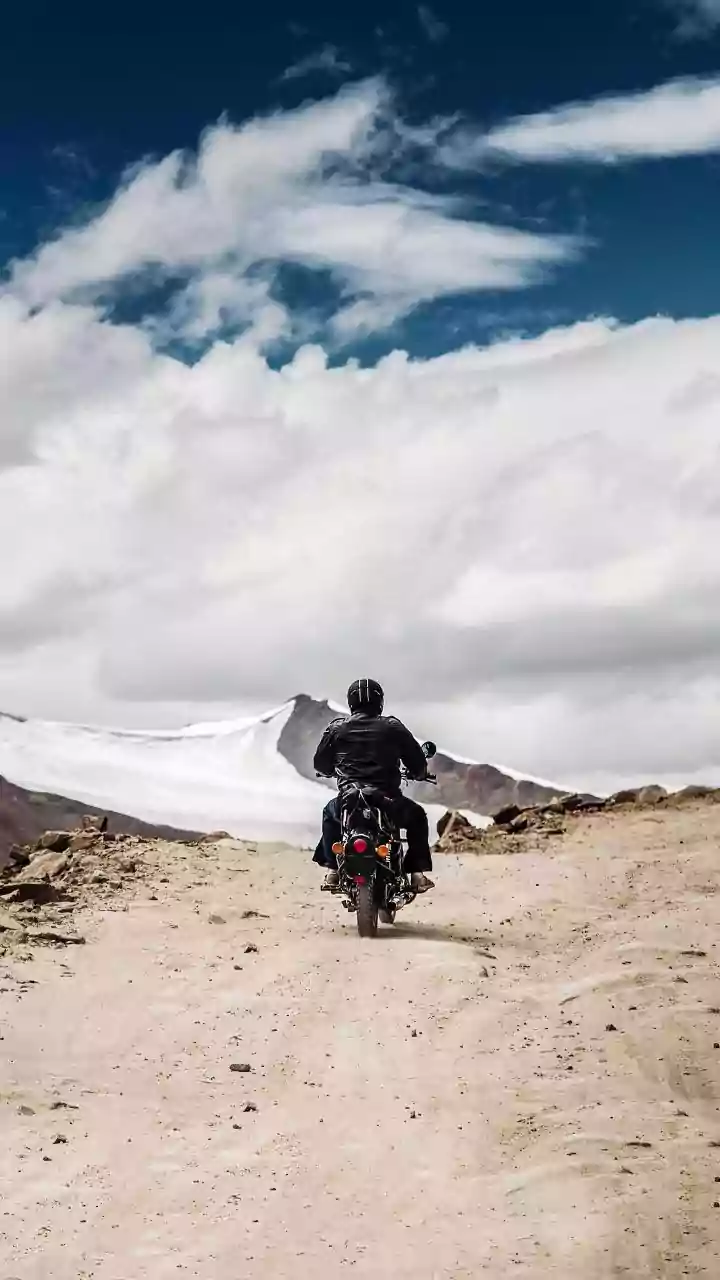
Situated at a higher altitude than Tirthan, Shoja is a small, peaceful village celebrated for its untouched natural beauty. It’s often considered a quieter, less commercialised alternative to nearby Jibhi. During the monsoon, Shoja is frequently enveloped in thick fog, giving it a mystical and tranquil feel. The village serves as a base for the Jalori Pass, a high-altitude pass offering panoramic views of the Himalayas. However, travel to the pass during heavy rains requires caution, as the road can be prone to landslides. When conditions permit, the beginner-friendly trek from Jalori Pass to Serolsar Lake is a must-do. The trail winds through a dense oak forest, leading to a serene lake that feels especially magical in the post-monsoon greenery.
Monsoon Activities and Practical Tips
A monsoon trip here is less about adrenaline-pumping activities and more about immersion in nature. Enjoy village walks, visit local temples, and savour the quiet moments. Short hikes are possible on days with lighter rain, but always check with locals about trail conditions. It is crucial to be prepared for the weather. Pack waterproof jackets, comfortable trekking shoes with good grip, and extra layers, as temperatures can drop quickly. While roads are generally open, landslides can cause temporary closures, particularly on the stretch between Mandi and Aut, so build flexibility into your itinerary. It's wise to carry some cash, as ATM and network connectivity can be limited. Booking accommodations in advance is recommended, especially the charming homestays that offer a window into the local way of life.