





The Downside of a Growth Spurt
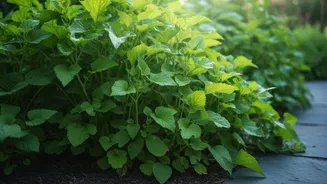
While lush, rapid growth might look impressive, it often comes at a cost. The monsoon’s combination of heavy rain and humidity encourages plants to grow quickly, leading to dense, crowded foliage and weak, leggy stems. This creates a perfect storm for
problems. The thick canopy of leaves blocks sunlight from reaching the inner and lower parts of the plant. More critically, it dramatically reduces air circulation. When leaves stay damp for long periods in humid, stagnant air, it creates an ideal breeding ground for fungal diseases like powdery mildew, black spot, and root rot, which can quickly damage or even kill a plant.
Timing Your Intervention
Knowing when to step in with your shears is crucial. Acting too soon or too late can cause more harm than good. The best time to prune is during a dry spell in the rainy season, or just after a light shower has passed. Avoid pruning during periods of heavy, continuous downpour, as fresh cuts on wet stems are highly susceptible to infection. It’s important to remove any broken or clearly damaged stems and leaves immediately after a storm to prevent decay. For more extensive pruning, wait for the soil to dry out slightly. This allows you to assess the plant's true condition without compacting the saturated soil around its roots.
The Art of Pruning: What and How to Cut
Pruning is about making strategic cuts to improve a plant's health and structure. Always start with the three Ds: removing any wood that is dead, damaged, or diseased. These branches offer no benefit and can be entry points for pests and infections. Next, look for branches that are crossing over or rubbing against each other, as this can create wounds. From there, step back and look at the overall shape. The goal is to open up the plant's structure. Trim back branches that contribute to overcrowding, focusing on creating space within the plant's core. Always use sharp, clean tools like bypass pruners for smaller stems and loppers for thicker branches to make clean cuts that heal quickly.
The Vital Role of Thinning
While pruning often involves trimming the ends of branches to shape a plant, thinning is the process of removing entire stems or branches right back to their point of origin. This is the most effective way to combat the dense growth caused by monsoon rains. By selectively removing some of the stems from the base of the plant, you instantly improve light penetration and airflow to its centre. This is not about giving the plant a severe haircut but rather about selectively reducing its density. For overgrown multi-stemmed shrubs like hibiscus or bougainvillea, a good rule of thumb is to thin out about one-third of the oldest, thickest stems, which encourages vigorous new shoots to grow in their place.
Aftercare for a Healthy Recovery
Your job isn't quite finished once the cuts are made. It is essential to clean up and dispose of all the pruned material, especially if you have removed diseased foliage. Leaving cuttings on the ground can allow fungal spores or pests to spread back to your healthy plants. After a major pruning session, avoid the temptation to immediately fertilise. Heavy rains can wash away nutrients, but adding fertiliser to a stressed plant can sometimes do more harm than good. It's better to wait a few weeks until you see signs of new, healthy growth, and then apply a balanced, slow-release fertiliser to support the plant’s recovery.