



The Sweet Spot Between Fast and Fine
So, what exactly is premium fast-casual, or 'fine-casual' as it's also known? Think of it as the thoughtful evolution of the fast-casual model popularised by chains like Chipotle. It occupies the growing space between traditional fast food (QSRs) and
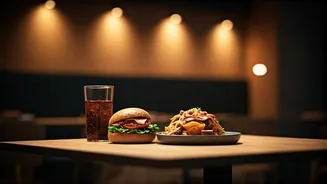
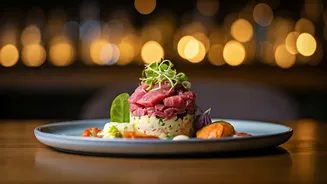
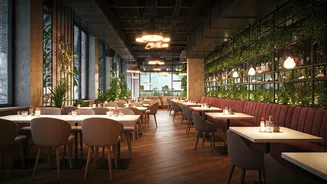
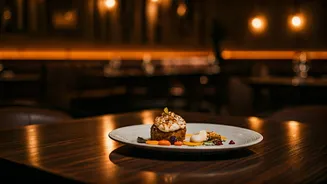
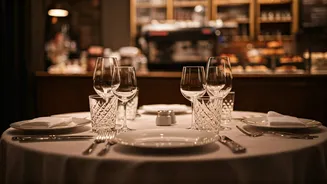
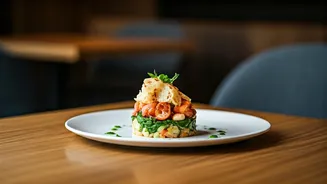
full-service casual dining. This format marries the convenience of counter service with the quality, ambiance, and chef-driven menus you might expect from a more upscale restaurant. The key differentiators are a focus on higher-quality, often locally-sourced ingredients, more complex and creative dishes, and a more curated, stylish dining environment. While you still order at a counter or kiosk, the experience feels more elevated than a typical fast-food joint, yet more relaxed and affordable than fine dining. The average price is a tell-tale sign, typically landing between a fast-food combo and a sit-down restaurant meal.
Why This, Why Now?
The rise of premium fast-casual isn't an accident; it's a direct response to a major shift in consumer behaviour. Today’s diners, particularly millennials and Gen Z, demand more. They are more health-conscious, curious about global flavours, and value authenticity and unique experiences over formality. They want food that tells a story and looks good on social media. This format perfectly caters to the desire for an affordable, high-quality experience without the time commitment or expense of traditional fine dining. The global fast-casual market is seeing explosive growth, with some projections showing it reaching nearly USD 700 billion by 2035, indicating a permanent realignment of consumer priorities toward quality-oriented convenience.
The Brands Defining the Space
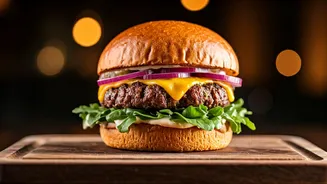
Pioneers like Shake Shack founder Danny Meyer, who is credited with coining the term 'fine-casual', set the stage. Now, a host of brands exemplify this trend. Sweetgreen has become synonymous with high-end, customisable salads made from locally-sourced ingredients. Cava brings a Mediterranean, build-your-own model with a focus on fresh, bold flavours. BurgerFi elevates the classic burger with all-natural Angus beef and premium options. Even fine-dining chefs are entering the space, launching concepts that apply 'slow food values' to a fast-food model, proving the trend's credibility and appeal. In India, while the segment is still nascent, the explosion of food delivery platforms and a growing urban appetite for new and convenient dining experiences suggest a fertile ground for growth.
The Business Model Advantage
For restaurateurs, the premium fast-casual model offers a compelling financial proposition. It combines the higher-margin potential of quality ingredients with a more efficient operational structure. By eliminating the need for a full waitstaff and large dining rooms, operators can reduce labour costs and rent—two of the biggest expenses in the restaurant business. Technology plays a crucial role, with digital ordering, self-service kiosks, and seamless delivery integration improving efficiency and meeting customers' tech-savvy expectations. This leaner model allows businesses to invest more in what the modern consumer truly values: the food itself.