


The Original Grand Plan
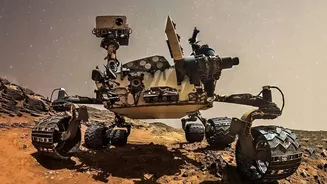
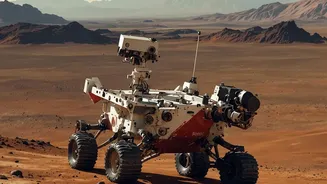
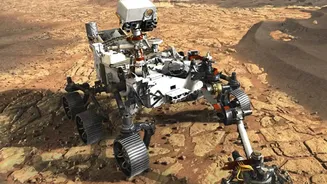
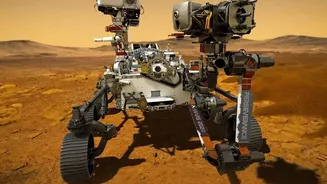
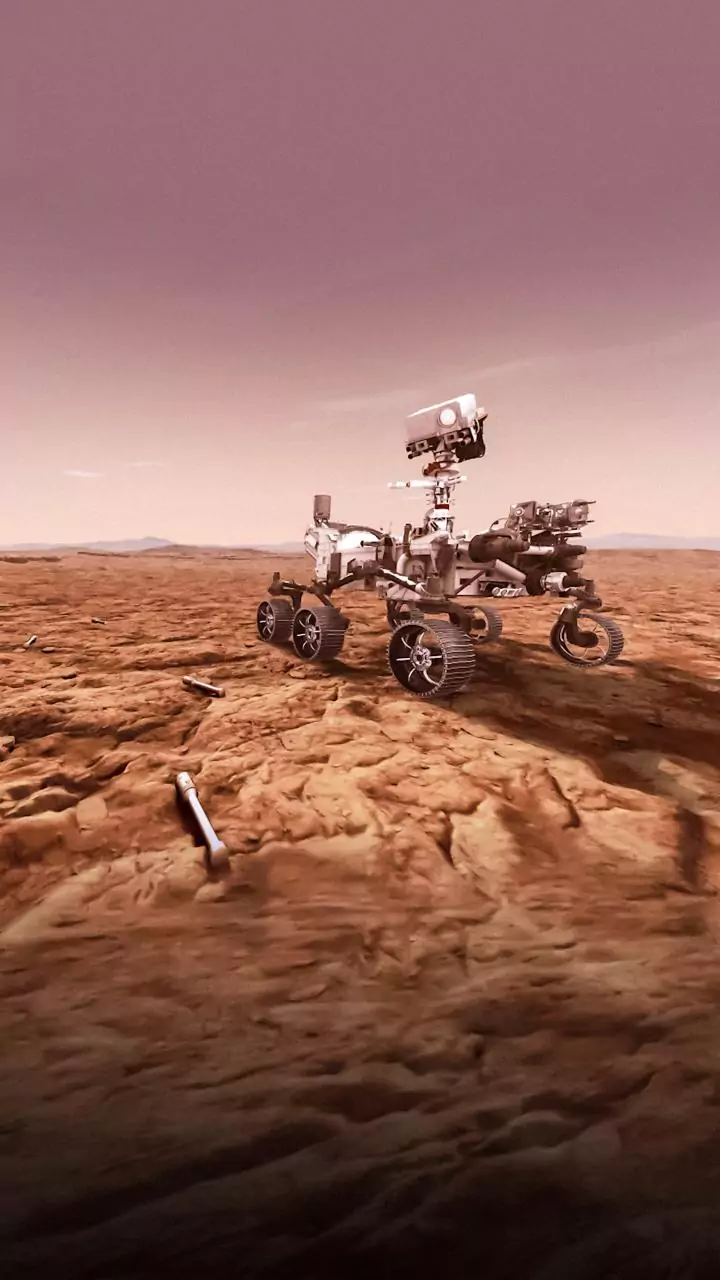
Since its landing in February 2021, the Perseverance rover has been diligently drilling and storing rock and soil samples in Jezero Crater, a location believed to have once been a lakebed. These samples, sealed in titanium tubes, are seen by scientists
as a potential treasure trove that could revolutionize our understanding of Mars and perhaps even hold clues to whether the Red Planet ever hosted life. The initial Mars Sample Return (MSR) campaign, a joint effort with the European Space Agency (ESA), was a multi-part relay of unprecedented complexity. It involved sending a Sample Retrieval Lander to the surface, which would use a robotic arm and small helicopters to collect the tubes left by Perseverance. A small rocket, the Mars Ascent Vehicle (MAV), would then launch these samples into orbit around Mars. Finally, an ESA-built Earth Return Orbiter would capture the orbiting container and fly it back to Earth.
An 'Unrealistic' Price Tag and Timeline
The grand plan began to unravel after an Independent Review Board (IRB) delivered a sobering assessment. The report concluded that the mission, as designed, had an unrealistic budget and schedule. Costs were projected to balloon to as much as $11 billion, and the samples would not arrive on Earth until 2040. The IRB stated there was a 'near zero' probability of meeting the original launch dates and that the entire program was not set up for success, citing issues with its management structure. Faced with this scathing review and pressure from Congress, NASA conceded that the existing plan was too expensive and the timeline 'unacceptably too long'. This forced the agency to pause the program and go back to the drawing board.
Searching for a Leaner, Faster Alternative
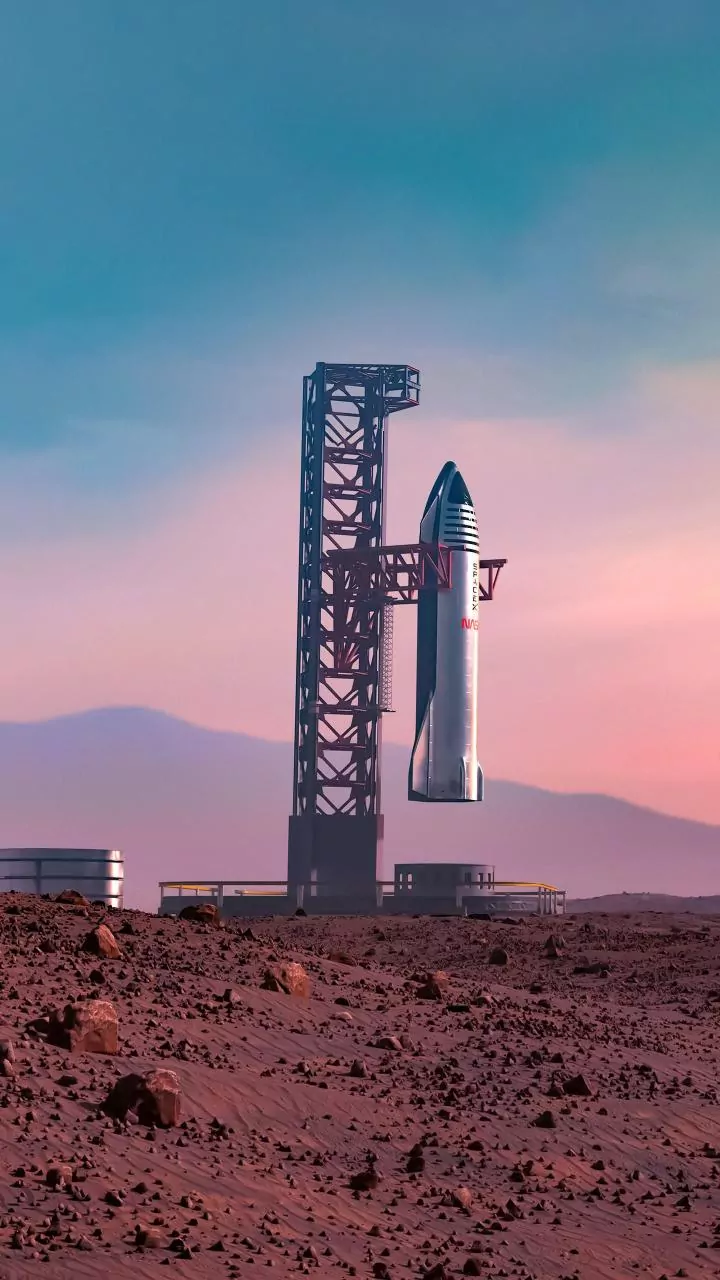
In response to the review, NASA has officially kicked off a complete reassessment of the mission's architecture. The agency has called for new ideas from its own centers, the Jet Propulsion Laboratory, and private industry partners to find more innovative, affordable, and faster approaches. Companies including SpaceX, Blue Origin, and Lockheed Martin have been contracted to conduct 90-day studies on new concepts. These proposals range from using SpaceX's massive Starship vehicle to creating a more streamlined, single-lander mission. The goal is to find a viable path forward that can deliver the precious Martian cargo sooner and for a significantly lower cost, with some previous alternative estimates hovering in the $7-8 billion range.
The Pressure is On
While NASA re-evaluates, the clock is ticking. The Perseverance rover has already collected dozens of scientifically valuable samples and deposited a cache of ten tubes on the Martian surface as a backup. This geologic bounty represents a massive investment and holds immense scientific promise. Furthermore, international competition is heating up. China is moving forward with its own ambitious Mars sample return mission, Tianwen-3, which aims to launch around 2028 and return samples to Earth as early as 2031. This adds external pressure for NASA to finalize a new, workable plan without excessive delay. A new strategy team is set to begin its work in January 2027, with a final report on the path forward expected in the winter of 2027-2028.