

More Than Just Savings
Upcycling, or creatively reusing discarded materials, is a tradition deeply woven into the fabric of Indian culture. It’s about more than just saving money; it's a powerful statement against waste. The textile industry has a significant environmental
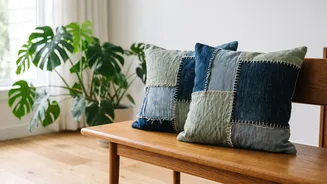
footprint, and by giving our old clothes a new life, we reduce landfill waste and the demand for new resources. But the benefits are personal, too. Creating something with your own hands offers immense satisfaction, and the finished piece adds a layer of unique personality and storytelling to your home that mass-produced items simply cannot match. Your decor becomes a reflection of your resourcefulness and creativity.
Your Upcycling Starter Kit
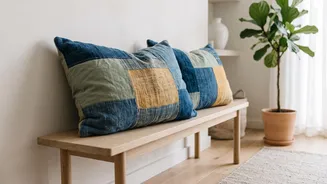
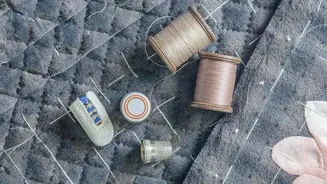
The beauty of upcycling is its accessibility. You don't need a fancy studio or expensive tools to get started. Most of what you need is likely already in your home. Gather your plain or patterned textiles: old cotton sarees, dupattas with beautiful borders, worn-out denim jeans, or even soft t-shirts. Beyond fabric, you’ll want a good pair of scissors, a needle, and some thread. For no-sew projects, fabric glue can be your best friend. The 'free' in the headline refers to using what you already have, turning potential waste into something wonderful without a trip to the store.
From Old Saree to New Cushion Cover
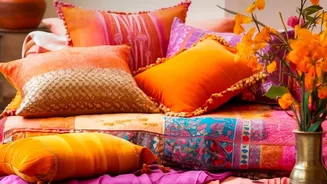
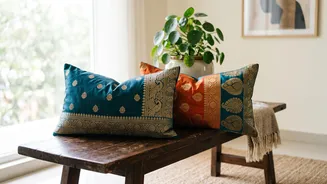
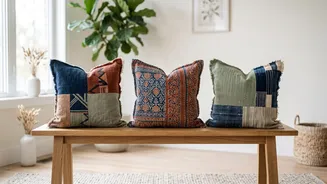
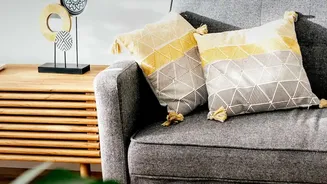
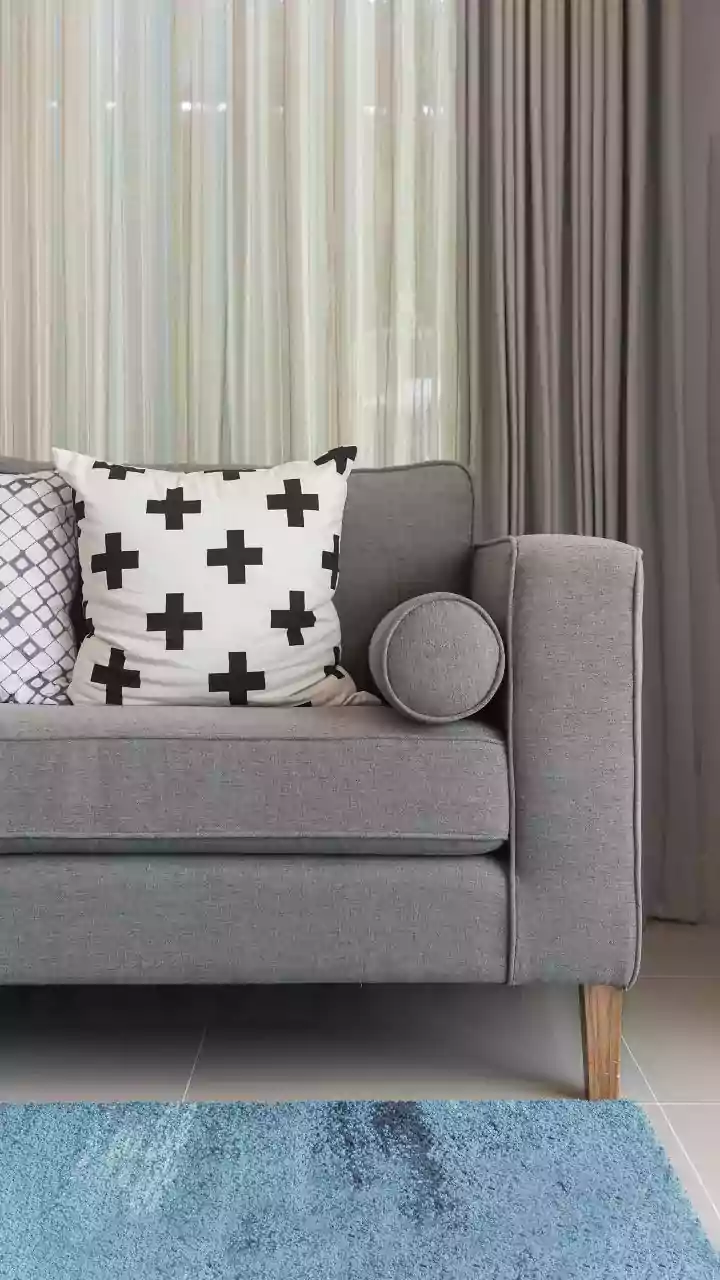
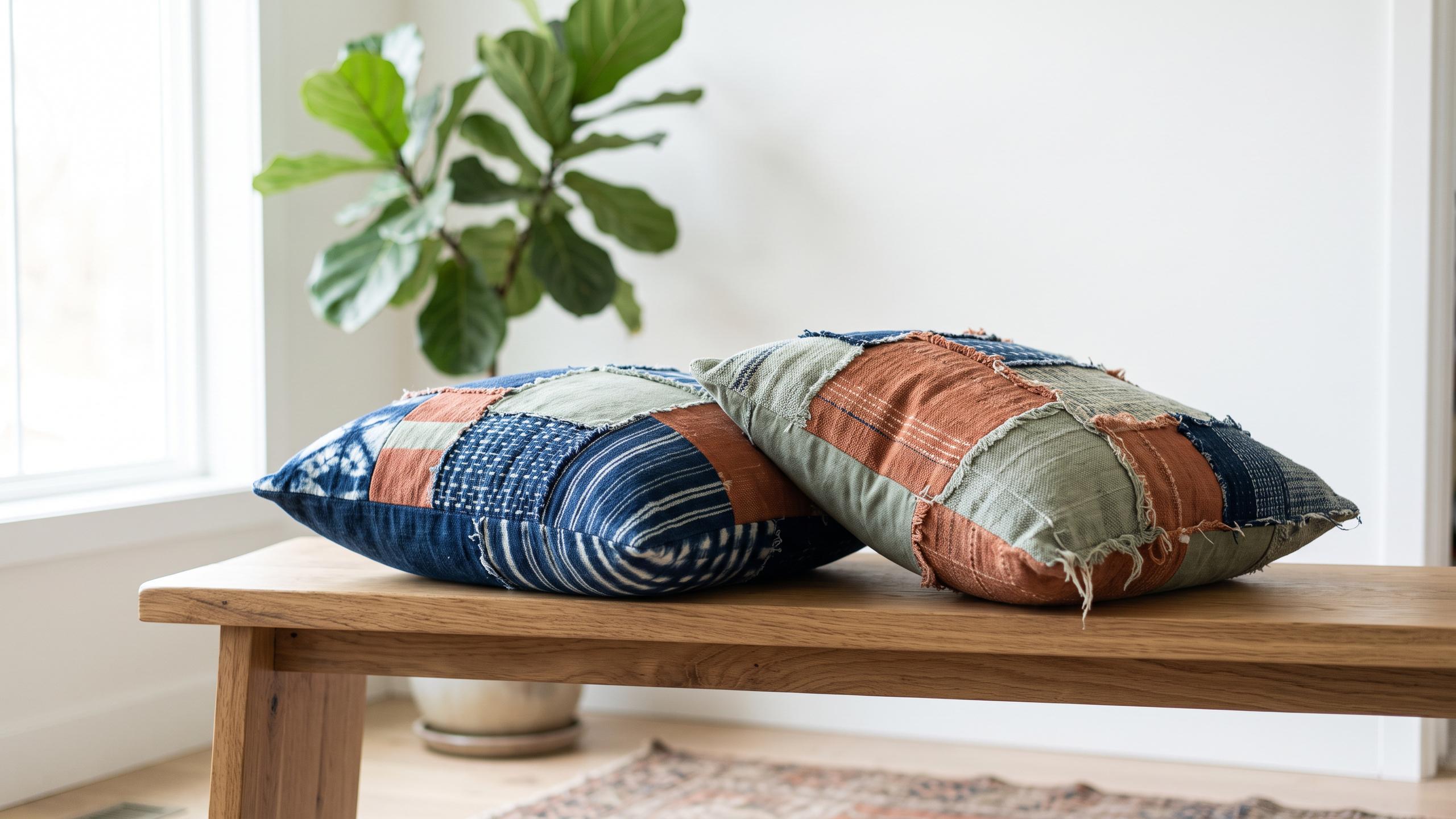
One of the most popular and impactful upcycling projects is turning a vintage saree into a set of vibrant cushion covers. The large, unstitched fabric of a saree provides ample material to work with. Choose a section with a beautiful border or an intricate pallu. Cut two identical squares of fabric to the desired size of your cushion, adding a small margin for sewing. Place the fabric pieces with their front sides facing each other and sew around three edges. Turn the cover right-side out, stuff it with a cushion, and carefully stitch the final side closed. In just a short time, you have a striking accent piece filled with memories.
Create a Textured Wall Hanging
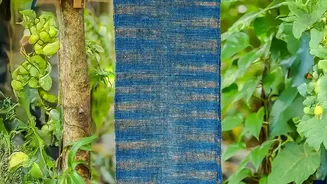
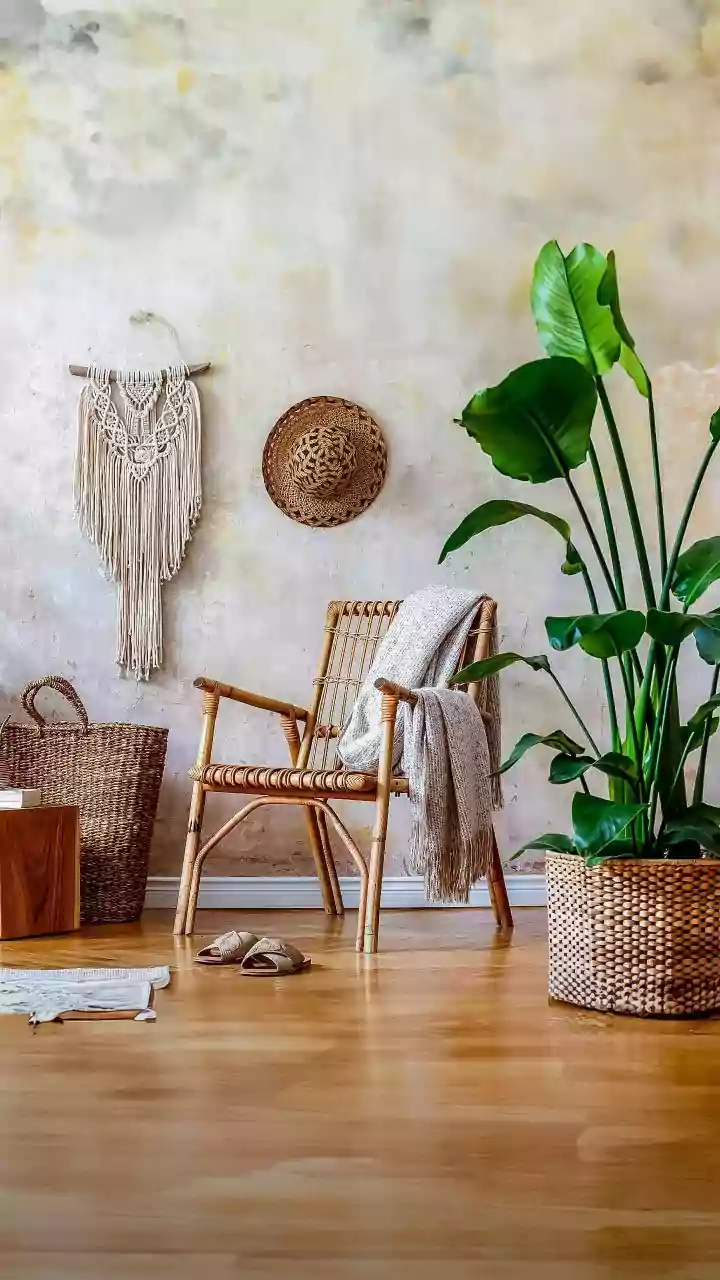
For a touch of bohemian flair, a fabric wall hanging is an excellent choice. This project is perfect for using a wide variety of scraps. Find a sturdy branch or a wooden dowel to serve as your base. Cut your fabrics—denim, cotton, wool, silk—into strips of varying lengths and widths. You can create patterns by alternating colours and textures. Simply loop each strip over the dowel and secure it with a knot. For a more elaborate piece, you can braid or weave different strips together before hanging them. This is a fantastic no-sew option that results in a unique piece of art.
The No-Sew Rag Rug
A 'chindi' or rag rug is a timeless example of Indian ingenuity, turning scraps into a durable and colourful floor covering. This is an ideal project for old t-shirts, bedsheets, or any soft cotton fabric. Cut your textiles into long, even strips. You can then braid three strips together at a time to create long, thick ropes of fabric. Once you have several braids, begin coiling them into a tight circle or oval, sewing the coils together as you go for stability. The result is a soft, absorbent, and completely unique rug that adds warmth and colour to any corner of your living room.
Instant Art with Fabric Scraps
Perhaps the simplest way to create an accent piece is to let the fabric be the art itself. Many textiles, from embroidered blouses to block-printed dupattas, feature designs that deserve to be displayed. Find a beautiful section of fabric and simply frame it. You can create a gallery wall by framing several different patterns in coordinating frames. Another easy idea is to cover a plain lampshade or a light switch plate with a vibrant piece of fabric, instantly elevating a mundane object into a design feature. This method requires minimal effort but delivers maximum visual impact.