








The Challenge of Unstable Slopes
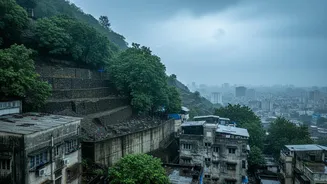
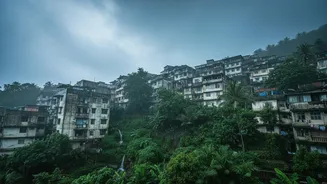
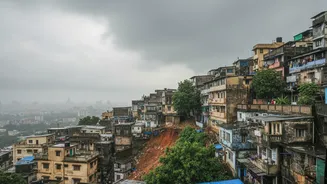
Mumbai's unique topography includes several hilly areas and slopes, many of which are home to informal settlements. During intense rainfall, these slopes become saturated, increasing the danger of landslides. The Brihanmumbai Municipal Corporation (BMC)
identifies hundreds of landslide-prone locations across the city, with a high concentration in areas like Ghatkopar, Vikhroli, Kurla, and Malabar Hill. The Mumbai Climate Action Plan has warned that increasing extreme rainfall events could heighten this risk. In response, the BMC plans to conduct fresh detailed surveys with the Geological Survey of India (GSI) to reassess soil stability, a decade after the last comprehensive study. These surveys help classify locations based on their current vulnerability. Immediate measures include building retaining walls and setting up temporary shelters in schools for emergency evacuations from the most vulnerable spots. However, with hundreds of mitigation projects still incomplete, the race against time before the next heavy downpour is a serious concern for residents in these high-risk zones.
Battling Waterlogging, One Drain at a Time
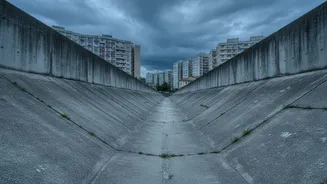
Every year, the battle against urban flooding is fought in the city's vast network of nullahs and stormwater drains. The primary task for the BMC is the pre-monsoon desilting drive, a massive operation to remove silt, garbage, and blockages to ensure a smooth flow of rainwater into the sea. The civic body sets deadlines, often by the end of May, to achieve 100% cleaning in flood-prone areas. The challenge, however, is immense. The drive often uncovers shocking levels of public negligence, with workers pulling out everything from sofas, refrigerators, and mattresses to entire autorickshaws from the drains. This illegal dumping severely obstructs the city's drainage system, turning nullahs into landfills and drastically increasing the risk of waterlogging during heavy spells. Officials warn that this citizen apathy directly contributes to the flooding that disrupts life and poses a safety threat across Mumbai each year. To combat this, the BMC has started installing protective nets over some drains to prevent garbage dumping.
The Silent Threat of Dilapidated Buildings
Building collapses are a tragic and recurring feature of Mumbai's monsoons. In a city with a large stock of old and ageing structures, identifying and acting on the most dangerous ones is a matter of life and death. Every year, both the BMC and the Maharashtra Housing and Area Development Authority (MHADA) conduct pre-monsoon surveys to identify these structurally unsafe buildings. Structures deemed beyond repair are classified as 'C1' category, meaning they are unfit for habitation and require immediate evacuation and demolition. The BMC publishes a list of these buildings and issues notices to residents. However, the process is fraught with challenges. Many residents are reluctant to vacate due to a lack of guaranteed alternative accommodation or disputes over the building's classification. This resistance often leads to legal battles, leaving dozens of occupied buildings in a perilous state. To compel evacuation, authorities sometimes resort to disconnecting water and electricity supplies, but the risk to occupants who remain persists.
What Residents Can Do
While civic authorities undertake these large-scale preparations, citizen awareness and caution are crucial components of monsoon safety. The BMC regularly issues advisories, especially during red alerts for heavy rainfall, urging people to stay indoors unless absolutely necessary. Key advice includes maintaining a safe distance from potentially hazardous structures like old buildings, electric poles, and trees. Residents are advised against parking vehicles under trees to avoid damage from falling branches. It is also critical to stay away from beaches and waterlogged areas, where rising water and strong currents pose a serious threat. For emergencies or to report issues like open manholes, citizens can contact the BMC's 24-hour helpline at 1916. Officials stress the importance of relying on official updates from the BMC and disaster management authorities rather than believing or spreading rumours.