



Understanding the Enemy: What Is Root Rot?
Root rot is a condition where a plant's roots begin to decay because they are sitting in waterlogged soil. This starves them of oxygen, making them vulnerable to soil-borne fungi like Pythium and Phytophthora. In cooler months, soil dries out much more
slowly, and plants absorb less water as their growth slows. This combination creates the perfect storm for root rot, which can quickly become fatal if not addressed. The first signs are often misleading, appearing above ground as yellowing, wilting leaves, even when the soil is wet.
Drainage Is Your Top Priority
The single most important factor in preventing root rot is ensuring excellent drainage. Every pot on your balcony must have drainage holes at the bottom. If water cannot escape, the soil becomes a saturated swamp where roots cannot breathe. It’s a common myth that adding a layer of gravel to the bottom of a pot improves drainage; in reality, it just raises the waterlogged soil layer higher, closer to the roots. Instead, focus on the pot and the soil mix itself. For decorative pots without holes, use them as cachepots—place a smaller nursery pot with drainage inside the decorative one and be sure to empty any excess water that collects in the outer pot after watering.
Perfect Your Potting Mix
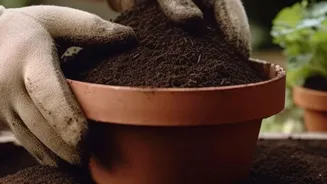
Standard potting soil can become dense and retain too much water, especially in cooler weather. To combat this, you need to lighten the mix to improve aeration and drainage. Amending your soil with coarse materials is a simple and effective solution. Mix in perlite, pumice, or coarse sand to create air pockets that allow water to flow through more freely. These materials prevent the soil from compacting and holding onto excessive moisture. Adding organic matter like compost or pine bark can also improve soil structure over time, but for immediate drainage improvement in pots, inorganic amendments are your best bet.
Choose Your Pots Wisely
The type of pot you use can significantly impact soil moisture levels. Porous materials like terracotta are excellent for plants that prefer to dry out between waterings. The clay allows air and moisture to pass through the walls of the pot, helping the soil dry more evenly and reducing the risk of root rot. Non-porous containers like plastic or glazed ceramic pots retain moisture for much longer. While useful for moisture-loving plants in the summer, they can be problematic in the cooler, wetter conditions of November. If you use plastic pots, ensure they have ample drainage holes.