


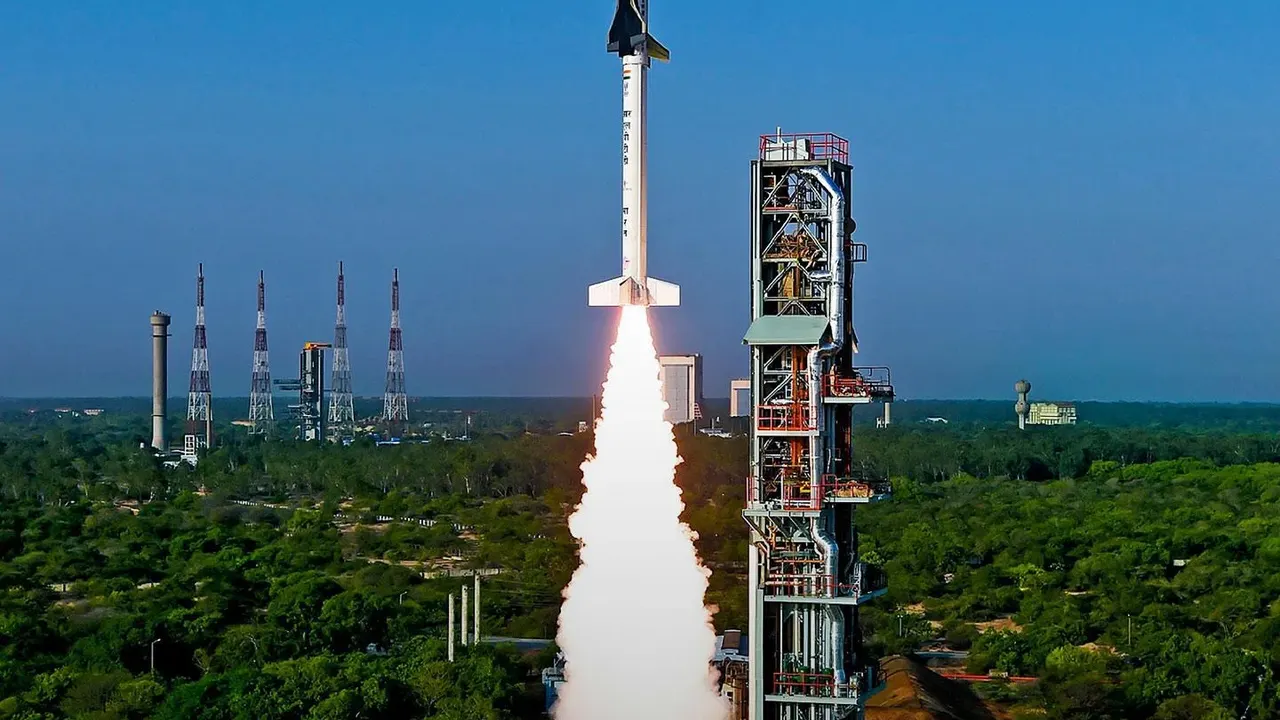
A Galaxy of Opportunity Opens Up
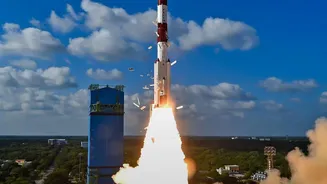
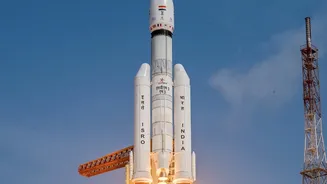
For decades, the Indian Space Research Organisation (ISRO) was the sole custodian of India's space ambitions. This state-led model delivered remarkable successes, from launching satellites to reaching Mars and the lunar south pole. However, a landmark
policy shift in 2020 opened the final frontier to non-government entities, transforming a government monopoly into a collaborative ecosystem. The goal was to unlock the immense potential of the country's technical talent and industrial capabilities. This move aims to significantly increase India's share of the global space economy, which was valued at around $8.4 billion in 2022 but is projected to soar to $44 billion by 2033. The number of private space startups has skyrocketed from just a handful to over 400, signaling a new era of innovation.
The Catalysts: IN-SPACe and NSIL
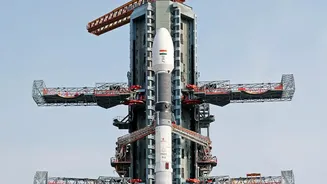
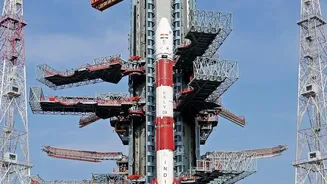
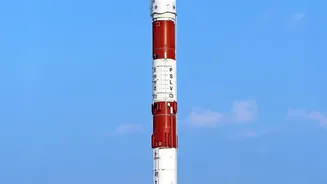
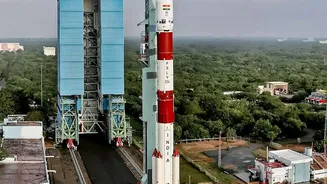
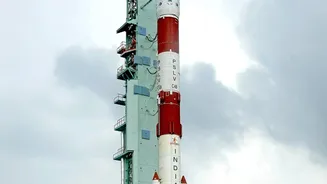
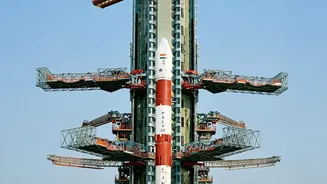
To orchestrate this transition, the government established two key bodies. The Indian National Space Promotion and Authorisation Centre (IN-SPACe) was created as a single-window agency to promote, authorise, and supervise all private space activities. It acts as the crucial interface between ISRO and private players, facilitating everything from sharing ISRO's world-class testing facilities to providing mentorship. Complementing IN-SPACe is NewSpace India Limited (NSIL), ISRO's commercial arm. Established in 2019, NSIL's mandate is to commercialise ISRO's technologies and manage launch contracts. By tasking NSIL with the production of proven rockets like the PSLV through industry consortiums, ISRO is freed up to focus on advanced research, deep-space exploration, and the Gaganyaan human spaceflight mission.
Meet the New Constellation of Startups
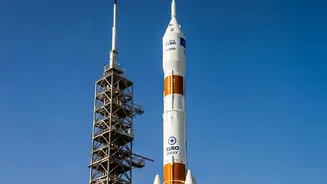
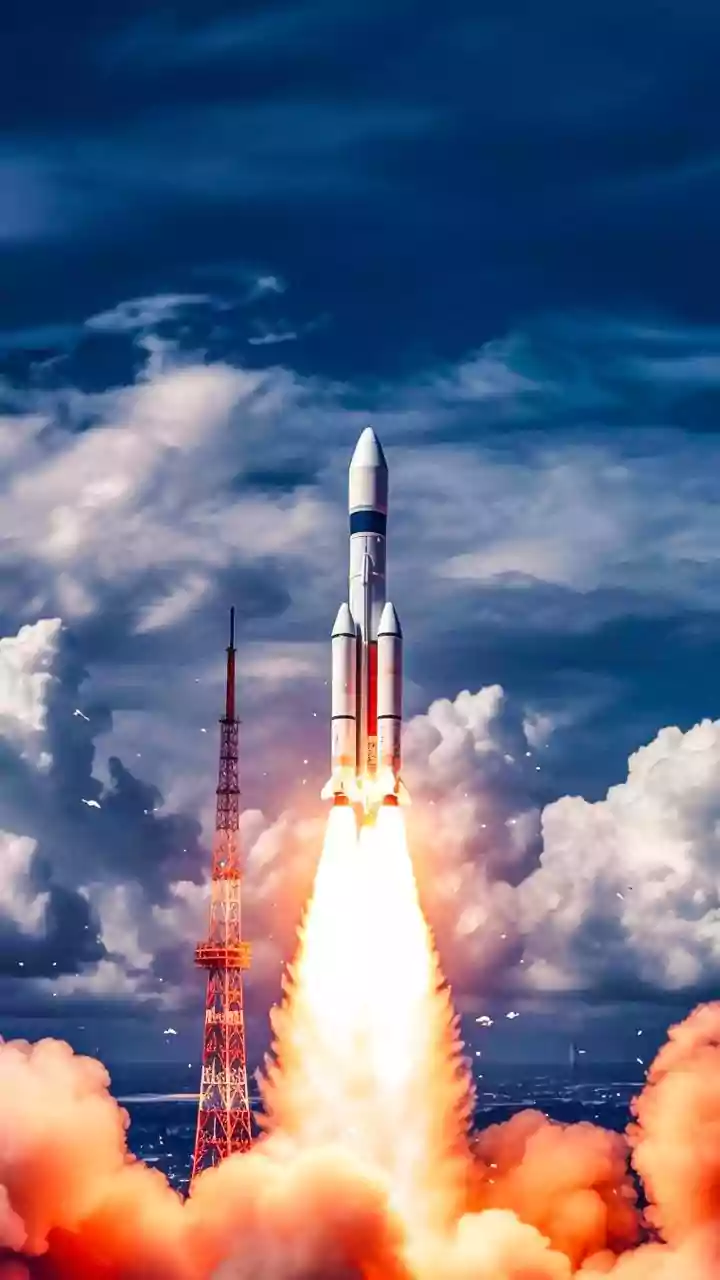
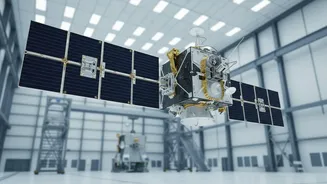
This supportive framework has given rise to a vibrant startup scene. Companies like Skyroot Aerospace and Agnikul Cosmos are at the forefront of developing India's first privately-built launch vehicles. Skyroot made history with the launch of its Vikram-1 rocket, demonstrating the sector's growing capability. Agnikul has distinguished itself by opening its own launchpad and mission control room at ISRO's spaceport and developing 3D-printed rocket engines. Beyond rockets, other startups are carving out niches. Pixxel is building a constellation of hyperspectral earth-imaging satellites, attracting global investors like Alphabet. Dhruva Space focuses on satellite manufacturing and has already completed multiple launches. Meanwhile, Bellatrix Aerospace is innovating in satellite propulsion systems. Together, they form an integrated ecosystem tackling every aspect of the space value chain.
Fueling Growth with Financial Support
Recognising that ambition needs financial backing, the government has introduced significant incentives. In August 2026, the Department of Space announced two price support schemes to make Indian space ventures globally competitive. These schemes offer subsidies ranging from 30% to 100% on costs related to using ISRO's launch services and facilities, technology transfer fees, and accessing satellite data. For example, a satellite company using an Indian private rocket can receive a subsidy of up to $3,000 per kilogram. Additionally, the government has facilitated a liberalised Foreign Direct Investment (FDI) policy, allowing up to 100% FDI in satellite manufacturing, and is establishing a venture capital fund to specifically support space startups.
The Trajectory Ahead
The collaboration between ISRO's legacy and private sector agility is creating a powerful synergy. The private sector is no longer just a supplier of components but an independent force, building, launching, and operating its own space assets. This shift is crucial for India to meet the booming domestic and international demand for satellite-based services in everything from communication and agriculture to defence and disaster management. Challenges remain, including navigating a complex regulatory landscape and securing long-term funding, but the momentum is undeniable. The recent successful launches and the flow of investment show that India's private space industry is moving from an experimental phase to one of commercial growth.