



Master the Post-Walk Paw Clean
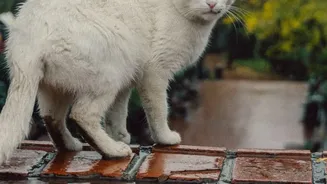
Your pet’s paws are the first point of contact with wet, muddy, and potentially contaminated surfaces. After every single walk, no matter how short, make it a non-negotiable routine to clean their paws. Use lukewarm water and a soft cloth or a dedicated
paw cleaner to wipe away mud and grime. Pay special attention to the area between their toes, as trapped moisture here is a primary cause of fungal and yeast infections. Trimming the hair around the paw pads can also help, as it improves airflow and prevents mud from clumping.
Keep Their Coat Dry and Well-Brushed
Damp fur is a breeding ground for bacteria and fungi, leading to skin infections, hot spots, and that persistent “wet dog” smell. Never let your pet air-dry in humid weather. After any exposure to rain, use a highly absorbent microfiber towel to dry them thoroughly. For pets with thick or long coats, a pet-friendly hair dryer on a low-heat setting is essential to ensure the undercoat is completely dry. Daily brushing is also crucial during the monsoon. It removes dirt, prevents matting that traps moisture, and improves air circulation to the skin.
Rethink Your Bathing Schedule
While it might seem logical to bathe your pet more often when they're constantly getting dirty, over-bathing can be counterproductive. It strips the skin of its natural oils, which act as a protective barrier. A bath once every two to three weeks is generally sufficient. When you do bathe them, consider using a vet-recommended medicated or anti-fungal shampoo to provide an extra layer of protection against common monsoon skin issues. The most important step remains the post-bath drying; ensure every inch, from their ears to their belly, is perfectly dry.
Conduct Regular Skin and Ear Inspections
Prevention is key, and early detection is your best tool. The humid environment makes pets highly susceptible to skin and ear infections. Once a day, take a few moments to inspect their skin, particularly in folds, under the belly, and around the armpits. Look for any signs of redness, rashes, or unusual bumps. Ears are especially vulnerable to moisture buildup. Clean their ears weekly with a gentle, vet-approved cleaning solution, and always dry the outer ear flap after a walk in the rain. Catching issues early can prevent a minor irritation from becoming a painful infection.
Maintain a Clean and Dry Home Environment
Your pet's hygiene is directly linked to their living space. During the monsoon, indoor humidity can make bedding and toys damp, creating another environment for fungal growth. Ensure your pet’s bedding is clean, dry, and preferably raised off the floor. Wash their bedding, toys, and food bowls regularly to keep germs at bay. Keeping your home well-ventilated can also help reduce the overall dampness in the air, benefiting both you and your furry companion.
Boost Their Immunity from Within
A strong immune system is the best defense against infections. The rainy season can sometimes affect a pet’s appetite and digestion. Ensure they have constant access to fresh, clean drinking water; avoid letting them drink from puddles, which can be full of harmful bacteria. You can also talk to your veterinarian about incorporating immunity-boosting supplements like Omega-3 fatty acids into their diet to strengthen their skin health and overall resilience.