




The Myth of the Winter 'Superfood'
Every winter, we hear about specific foods that promise to boost immunity and keep us warm. While it's true that ingredients like jaggery, ghee, and certain spices have warming properties, no single food can act as a shield against seasonal illness. The
human immune system is incredibly complex and relies on a wide variety of nutrients to function effectively, not just the benefits of one ingredient. Relying on a supposed 'superfood' often means we neglect the broader nutritional diversity our bodies truly need. The real secret to a healthy winter lies in balance and variety, incorporating a range of seasonal produce into a wholesome diet.
Embrace Seasonal Greens
Winter in India brings a bounty of leafy greens like mustard greens (sarson), fenugreek (methi), and spinach (palak). The quintessential winter dish, Sarson ka Saag, is not just a cultural icon but also a nutritional powerhouse. Mustard greens are packed with vitamins A, C, and K, along with iron. Vitamin K is essential for bone health, while vitamins A and C are crucial for immune function. When paired with Makki ki Roti (maize flour flatbread), it becomes a balanced meal providing fibre, energy, and essential nutrients. However, the key is preparation; enjoying these greens as part of a meal with dal, vegetables, and whole grains ensures you get a wider spectrum of benefits.
The Power of Root Vegetables
Root vegetables like carrots, radishes, and sweet potatoes are at their peak during winter. Carrots, in particular, are famous as the star of Gajar ka Halwa. This beloved dessert, when made mindfully, offers significant health perks. Carrots are an excellent source of beta-carotene, which the body converts into vitamin A, vital for vision and immunity. When cooked with milk and ghee, the dish provides calcium for bone health and energy-giving fats. But portion control is key. Instead of seeing it as just a dessert, think of it as a nourishing treat. Enjoying a small bowl allows you to reap the benefits without an overload of sugar and fat.
Warming Spices and Wholesome Grains
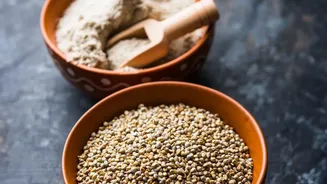
Indian culinary wisdom has long used spices for their warming properties. Ginger, turmeric, cinnamon, and cloves do more than just add flavour; they can improve circulation and aid digestion. A cup of masala chai or a pinch of turmeric in warm milk are classic winter remedies. Alongside spices, traditional winter grains like bajra (pearl millet) and makki (maize) are fantastic sources of sustained energy. These millets are rich in fibre, iron, and magnesium, keeping you full and energised. A simple Bajra Roti with a dollop of ghee provides warmth and complex carbohydrates that are perfect for colder days.
Don't Forget Seeds, Nuts, and Jaggery
Winter festivities often feature sweets made from til (sesame seeds) and gur (jaggery). Til ke Ladoo and chikki are not just delicious but also functional. Sesame seeds are a great source of calcium, healthy fats, and minerals like zinc. Jaggery is a traditional sweetener that provides iron and is less refined than white sugar. Nuts like almonds and walnuts are also winter essentials, packed with healthy fats and protein that keep your skin nourished and your energy levels stable. While these are energy-dense, a small portion like one laddoo or a handful of nuts is a perfect winter snack.
The Principle of a Balanced Plate
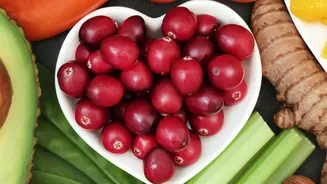
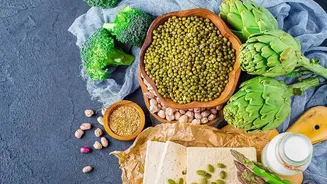
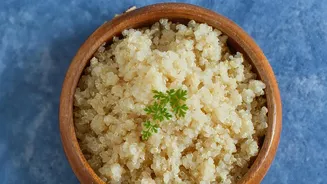
So, how do you bring it all together? The most effective strategy for winter health is to build a balanced plate for every meal. Aim to fill half your plate with vegetables, including the seasonal greens and roots mentioned. One quarter should be a source of protein like dal, paneer, or eggs, which helps in muscle repair and provides a thermic effect, keeping you warm. The final quarter can be your whole grain, such as a bajra or makki roti. This approach ensures you get a wide array of vitamins, minerals, fibre, and antioxidants, creating a resilient immune system that no single food can offer on its own.