





The Textile Heartbeat of South India
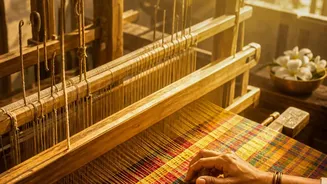
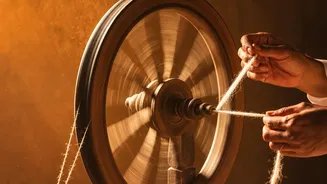
Coimbatore’s journey into industrial significance began with a single thread: cotton. The region's fertile black soil was perfect for cotton cultivation, creating a natural foundation for a booming textile industry. The first spinning mill, the Coimbatore Spinning
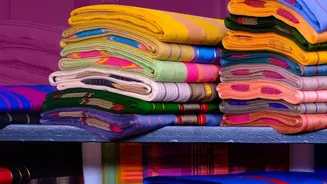
and Weaving Mills, was established in 1888, setting in motion an industrial revolution for the city. This textile boom, particularly in the 1920s and 1930s, was supercharged by the arrival of hydroelectric power from the Pykara project. This abundance of power allowed entrepreneurs to set up numerous mills, transforming the city’s economic landscape. For a traveller, this history isn't confined to textbooks. It’s visible in the bustling wholesale textile markets around Oppanakara Street and the continued presence of handloom weavers producing the famed Kovai cotton sarees, known for their light weight and comfort. To get a deeper understanding, a visit to the Kasthuri Sreenivasan Art Gallery and Textile Museum offers a tangible link to the past, displaying looms and machinery that powered the city's growth.
The Ingenuity of Engineering
While textiles gave Coimbatore its nickname, engineering gave it a reputation for innovation. For decades after the first mills, the city's industrial focus was almost entirely on textiles. However, the 1930s saw the emergence of foundries and small workshops, initially established to repair textile machinery and agricultural equipment. This sparked a new wave of enterprise. The city soon became synonymous with the manufacturing of motor pumps and, most famously, the wet grinder. The mechanical wet grinder, a staple in South Indian kitchens for making idli and dosa batter, was invented here in 1955 by P. Sabapathy. This invention, born from a desire to reduce domestic labour, grew into a massive industry. Today, Coimbatore accounts for the vast majority of India's wet grinder production, a status recognised with a Geographical Indication (GI) tag in 2005. This spirit of practical invention is a core part of the city's identity, a testament to its self-taught inventors and entrepreneurs.
Where History and Innovation Meet the Tourist
A trip through Coimbatore becomes infinitely richer when you know where to look for these industrial footprints. The most direct way to connect with the city's spirit of innovation is by visiting the GD Naidu Museum. Established by the visionary industrialist G.D. Naidu, often called the 'Edison of India', the museum showcases a fascinating collection of vintage cars, scientific gadgets, and early industrial machines. It’s not just a collection of objects but a celebration of the curiosity and hands-on engineering that defines Coimbatore. This industrial character isn't just housed in museums; it permeates the city's culture. There is a palpable sense of purpose and a strong work ethic in the air. This precision and ingenuity can even be found in its culinary scene, which was itself transformed by the invention of the wet grinder. The city offers a unique form of 'industrial tourism', where a factory visit or a walk through an industrial estate can be as insightful as visiting a temple.
From Mills to Microchips
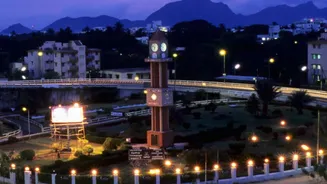
Coimbatore's story of industrial evolution is still being written. The same entrepreneurial spirit that built the textile and engineering sectors has now pivoted towards the future. In recent decades, the city has diversified its economy and emerged as a significant hub for information technology and software services. The establishment of TIDEL Park Coimbatore in 2006 marked a key moment, creating a special economic zone that has attracted major IT companies. This modern chapter sits alongside its manufacturing legacy, with the city also being a major exporter of automotive components. The city that once spun cotton now develops software, and the foundries that built pumps now supply a global automotive industry. This seamless blend of old and new industries demonstrates a city that respects its history of making things while continuously adapting to new technologies. For any visitor, it shows that the engine of Coimbatore is always running, constantly reinventing itself for the next generation.