Understanding Wholesale Inflation
Before a product reaches you, it goes through several stages, and its price is determined long before it hits the shelf. The Wholesale Price Index (WPI) measures the average change in prices of goods sold in bulk by wholesale businesses. Think of it as the 'factory
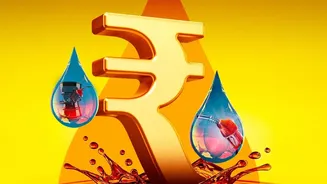
gate' price for raw materials and semi-finished goods. This includes everything from food articles and minerals to manufactured products and fuel. Recent data from September 2026 shows India's WPI inflation surged to 11.39%, a series high, driven by spikes in food, manufactured items, and fuel. This is an early warning signal, indicating that the cost of producing goods is rising sharply for businesses.
The Journey from Wholesale to Your Wallet
A spike in WPI doesn't immediately translate to higher retail prices. There's often a lag, as companies may absorb some initial cost increases to protect their market share. However, if wholesale prices remain high, businesses eventually pass these costs on to consumers to protect their profit margins. This pass-through effect is how wholesale inflation ultimately fuels retail inflation, measured by the Consumer Price Index (CPI), which tracks the prices you pay for goods and services. For example, September's high WPI was followed by a rise in retail inflation to 5.54%. So, while WPI isn't the number you see on price tags, it's the force that inflates them.
Which Household Expenses Get Hit Hardest?
The impact of WPI inflation is not uniform across your budget. Some areas are more vulnerable. The biggest drivers of the recent wholesale inflation spike were fuel and power (up 25.85%), manufactured products (up 9.76%), and food articles (up 8.66%). For an urban household, this translates to higher electricity bills, increased fuel costs for transportation, and more expensive groceries, especially processed food items. Furthermore, the cost of manufactured goods—from textiles to basic metals and plastic products—also increases, affecting the price of everything from clothing to home appliances.
The Direct Squeeze on Monthly Savings
The fundamental formula for savings is simple: Income - Expenses = Savings. When wholesale inflation drives up the cost of essential goods and services, the 'expenses' part of this equation grows, even if your income remains static. This directly reduces the amount of money left at the end of the month. As households are forced to spend more on non-negotiable items like food, electricity, and transport, their disposable income shrinks. This erosion of purchasing power means less money is available for saving, investing, or making discretionary purchases, putting immediate pressure on financial stability.
Knock-On Effects and Financial Goals
The impact goes beyond just having less cash at the end of the month. High inflation can derail long-term financial goals. When day-to-day living costs more, families often cut back on discretionary spending first—things like eating out, entertainment, and travel. A recent survey shows that even during the festive season, many urban households are planning to dip into their savings to fund their purchases, highlighting the strain on monthly budgets. This dependence on savings for regular expenses means less capital is allocated towards crucial long-term goals like a child's education, a down payment for a house, or building a retirement corpus. Essentially, you're forced to use your future funds to pay for the present.
How to Protect Your Finances
While you can't control macroeconomic factors, you can adapt your financial strategy to mitigate the impact. Start by creating a detailed budget to understand exactly where your money is going. Look for areas to trim non-essential spending, such as unused subscriptions or frequent dining out. On the grocery front, planning meals, using shopping lists, and opting for store brands can lead to significant savings. For larger expenses, review service providers for utilities and insurance to ensure you're getting the best rates. Finally, focus on paying down high-interest debt, like credit cards, as this can free up cash flow and reduce the strain on your budget.