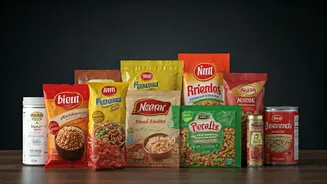






The Allure of the 'Health Halo'
Food marketers are experts at using what is known as the “health halo” effect. This is when a product is marketed with claims like “all-natural,” “organic,” or “made with real fruit,” leading us to believe it is healthy overall. We see a single positive
attribute and assume the entire product is good for us. However, these buzzwords can be misleading. For instance, recent actions by the Food Safety and Standards Authority of India (FSSAI) have called out brands for using terms like “100% natural” on products that don't meet that standard. A product labelled “natural” can still be highly processed and loaded with ingredients that are far from their natural state.
Decoding Front-of-Pack Claims
The front of the packet is prime advertising space, and it’s where many of the most confusing terms live. “Multigrain” sounds nutritious, but it simply means more than one type of grain is present; it doesn’t guarantee they are whole grains. You should look for the term “100% whole grain” to ensure you are getting the full benefit of the grain, including the fibre-rich bran and germ. Similarly, products claiming to have “no added sugar” might still be high in natural sugars or contain sugar substitutes like maltodextrin. A recent FSSAI notice highlighted a biscuit brand that made a “No Added Sugar” claim while containing unhealthy sweeteners. These claims are often legally permissible but don't paint the full nutritional picture.
The Real Story Is on the Back
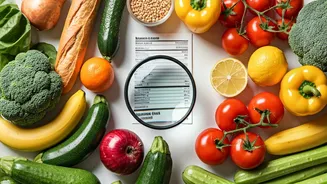
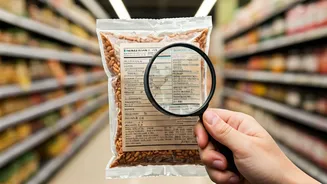
The most reliable information is found on the Nutrition Facts panel and the ingredient list. This is where the marketing ends and the facts begin. First, always check the serving size. Many people assume the nutritional information applies to the entire package, but it often refers to a much smaller portion. If you eat the whole packet, you could be consuming double or triple the listed calories, sugar, and sodium. Next, scan the per 100g column to easily compare different products. Pay close attention to added sugars, sodium, and saturated fats. A general rule of thumb is that 5% of the Daily Value (DV) or less is considered low, while 20% or more is high.
Your Best Friend: The Ingredient List
The ingredient list is arguably the most transparent part of the package. Ingredients are listed in descending order by weight, meaning the first few ingredients make up the bulk of the product. If you see sugar, salt, or refined flour (like maida) in the top three, it's a red flag. The challenge is that sugar goes by many names—at least 61 of them. Look out for terms like high-fructose corn syrup, dextrose, maltose, cane juice, barley malt, and rice syrup. Food manufacturers sometimes use multiple types of sweeteners so that no single one appears high on the list, a tactic that can hide the true sugar load. Research shows that added sugar is present in about 74% of packaged foods, making it crucial to become a sugar detective.
Common Culprits in Disguise
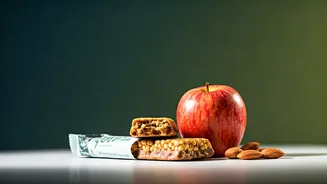
Certain foods are notorious for wearing a health halo while being less than ideal. Flavoured yogurts, for example, can contain as much sugar as a chocolate bar. Granola bars and breakfast cereals, often touted for their whole grains, can be packed with sugar and fats. Packaged fruit juices often lack the fibre of whole fruit and are concentrated sources of sugar. Even savoury items like pasta sauces, bread, and salad dressings can have significant amounts of hidden sugar. So-called “veggie chips” might sound like a serving of vegetables, but they are often made from refined flours with only a small amount of vegetable powder, offering lots of calories with little nutrition.