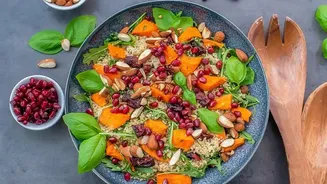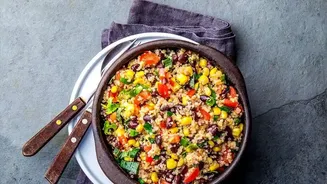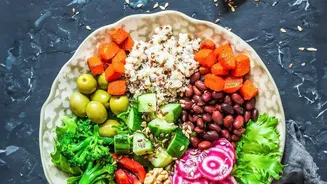



The Toasted, Nutty Base
One of the simplest ways to transform quinoa is to toast it before adding any liquid. This technique, common in Bolivia and praised by culinary experts, unlocks a deeper, nuttier, and more complex flavour. Toasting the dry grains in a saucepan over medium
heat for just a few minutes until they become fragrant and golden brown makes a significant difference. This process not only enhances the taste but also helps the grains cook more evenly, resulting in a fluffier, more separated final product rather than a clumped mass. Once toasted, you can proceed with any cooking method. For an extra layer of flavour, try toasting the quinoa and then simmering it in vegetable or chicken broth instead of plain water.
The Perfectly Fluffy Grain
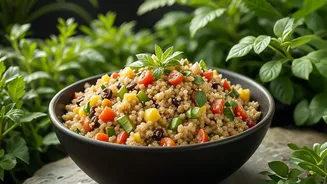
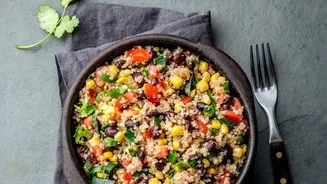
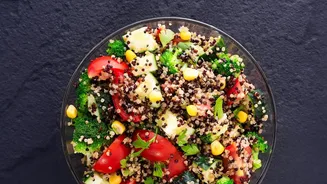
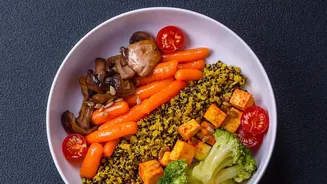
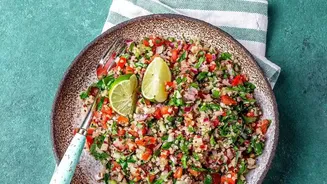
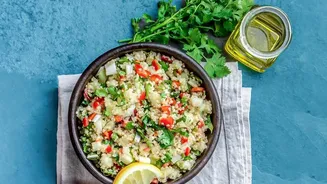
In Peru, where quinoa has been a staple for thousands of years, achieving a light, fluffy texture is standard practice. The key lies in two steps: rinsing and getting the water-to-quinoa ratio right. Rinsing quinoa thoroughly under cold water removes its natural coating, called saponin, which can impart a bitter or soapy taste. After rinsing, the ratio is crucial. While many packages suggest a 2:1 ratio of water to quinoa, most experts find this creates a mushy texture. For perfectly fluffy grains where each seed is distinct, aim for a ratio closer to 1.75 cups of liquid to 1 cup of quinoa. Bring the liquid and quinoa to a boil, then reduce the heat to low, cover, and simmer for about 15 minutes. Afterward, let it stand, covered and off the heat, for another five minutes before fluffing with a fork.
The Crispy, Crunchy Topping
For a completely different texture, turn cooked quinoa into a crispy, crunchy element perfect for topping salads, soups, and grain bowls. You can achieve this by either baking or pan-frying. To bake, spread cooled, cooked quinoa on a baking sheet, toss with a little olive oil, and bake at a high temperature (around 190-200°C or 375-400°F). Stir every 10 minutes until the grains are golden brown and crispy, which usually takes 25 to 30 minutes. Alternatively, you can shallow-fry the cooked quinoa in a skillet with a generous amount of oil over medium-high heat. Keep stirring until the quinoa becomes light, makes popping sounds, and turns a deep golden brown. Seasoned with salt, this addictive topping is a fantastic, protein-packed alternative to croutons.
The Creamy, Porridge-Like Bowl
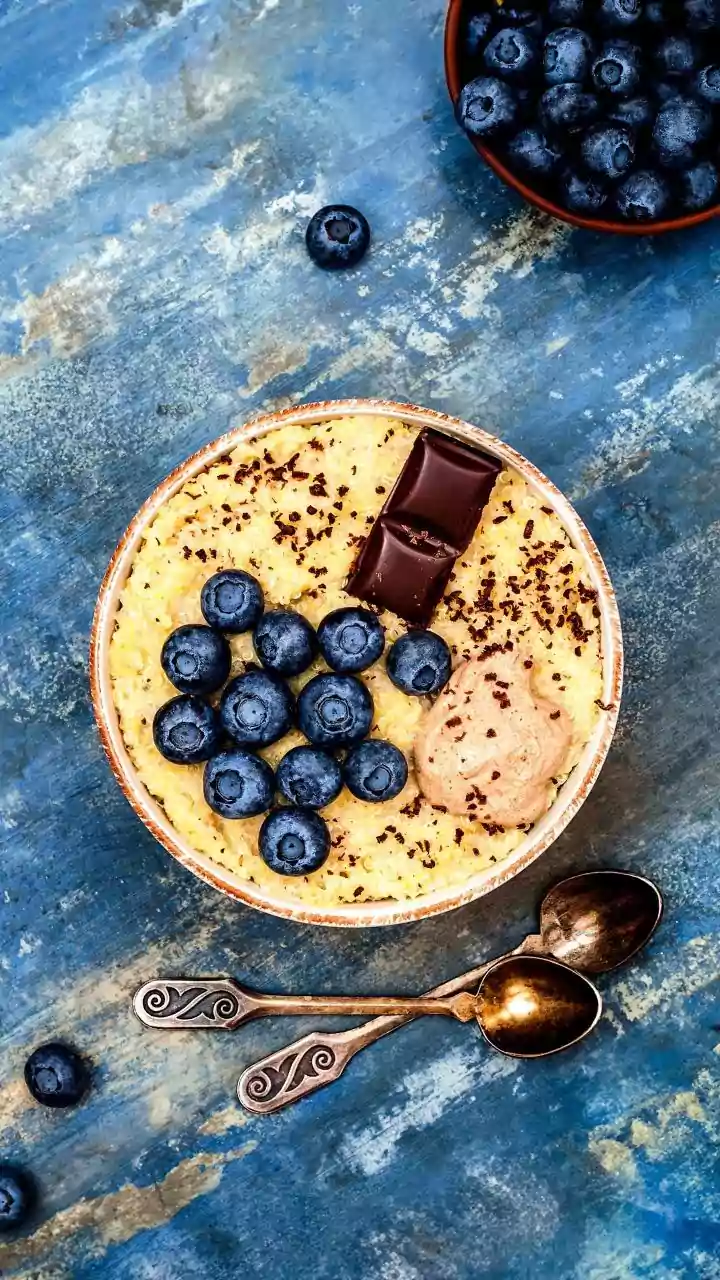
Quinoa can also be prepared to have a creamy, comforting texture, similar to oatmeal or risotto. This preparation is perfect for a warm breakfast or a savory 'quinotto'. The method involves using more liquid and often a creamier base like milk, coconut milk, or almond milk. For a breakfast porridge, simply simmer quinoa flakes or whole quinoa with milk (dairy or plant-based) and sweeteners like maple syrup or cinnamon until it reaches a thick, creamy consistency, which can take as little as 5-10 minutes with flakes. For a savory version, you can create a risotto-style dish. Sauté aromatics like onion and garlic, add the quinoa, and gradually stir in warm broth, letting the liquid absorb before adding more, until the quinoa is tender and suspended in a creamy sauce.
The Hearty, Chewy Soup Addition
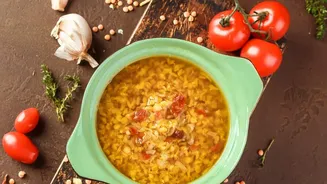
In the highlands of Bolivia and throughout the Andes, quinoa is a fundamental ingredient in hearty, warming stews. One classic example is 'Sopa de Quinoa', or quinoa soup. When added to soups and stews, quinoa absorbs the flavours of the broth and surrounding vegetables, and its texture becomes pleasantly chewy rather than fluffy. To make a simple version, start by sautéing vegetables like onions, carrots, and celery. Add garlic and spices such as cumin and oregano, followed by vegetable stock, tomatoes, and the rinsed quinoa. As it simmers, the quinoa cooks directly in the flavourful liquid, releasing some of its starch to slightly thicken the soup and providing a satisfying, toothsome bite that makes the dish a complete meal.