


Beyond Muscles: The Power of Patterns
The fitness industry often encourages us to think in terms of isolated muscles: chest day, back day, leg day. But our bodies don't work in isolation. They work in coordinated patterns to accomplish tasks, from lifting a heavy box to climbing a flight
of stairs. Training these fundamental movement patterns—the core actions our bodies were designed to perform—is the key to building functional strength that translates directly into real life. By organising your workouts around movements, you ensure that you are building a balanced, resilient, and injury-resistant physique. It's a shift from training your body for the gym to training it for life.
The Squat: Your Lower Body Foundation
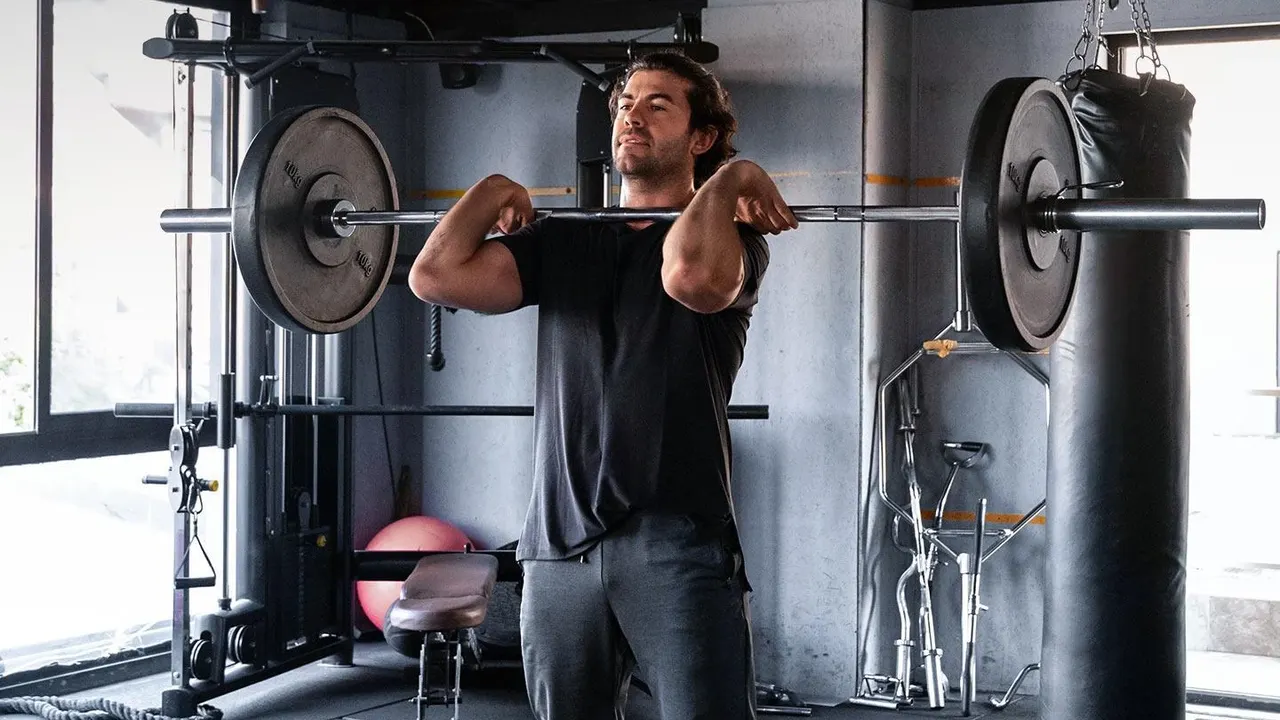
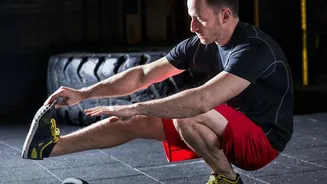
The squat is arguably the most essential lower-body movement. Every time you sit down, stand up, or get in and out of a car, you're performing a squat. This pattern primarily strengthens your quads, glutes, and hamstrings. Mastering it builds powerful legs and protects your knees and hips for the long run. Beyond the classic barbell back squat, variations like goblet squats, front squats, and even bodyweight air squats are excellent ways to train this pattern. The goal is to achieve a full range of motion, keeping your chest up and your spine neutral.
The Hinge: Protecting Your Back
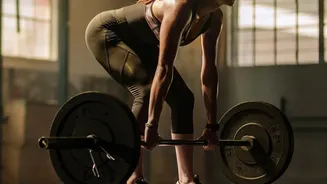
If you've ever heard the advice to "lift with your legs, not your back," you've been told to perform a hip hinge. This movement involves bending at the hips while keeping a neutral spine, and it's crucial for picking things up from the floor. The hinge is dominated by the posterior chain: your glutes, hamstrings, and lower back. Strengthening this pattern is one of the best things you can do to prevent back pain. Classic hinge exercises include the deadlift, kettlebell swings, and Romanian deadlifts. Learning to hinge properly teaches your body to use its most powerful muscles for heavy lifting.
The Push: Upper Body Pressing Power
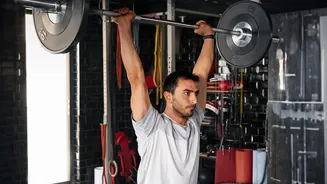
Pushing movements build strength in your chest, shoulders, and triceps. This pattern is essential for everything from pushing open a heavy door to placing an item on a high shelf. Pushing exercises can be broken down into horizontal pushes (like a push-up or bench press) and vertical pushes (like an overhead or shoulder press). A balanced routine should include both. Neglecting push exercises can lead to imbalances, but focusing on them too much without balancing them with pulls can create poor, rounded posture.
The Pull: Posture and Back Strength
For every push, there should be a pull. Pulling movements are critical for building a strong back and biceps, and they are the antidote to the slouching posture many of us develop from sitting at desks. Pulling strengthens the muscles that retract your shoulder blades, promoting an upright, healthy posture. Like pushes, pulls can be horizontal (like a bent-over row or seated cable row) or vertical (like a pull-up or lat pulldown). Including a healthy dose of pulling exercises in your routine is essential for upper body balance and shoulder health.
The Carry: Real-World Functional Strength
How strong are you really if you can't carry your grocery bags or a heavy suitcase without struggling? This is where loaded carries come in. The carry is perhaps the most functional movement pattern of all, building grip strength, a rock-solid core, and total-body endurance. The concept is simple: pick up a heavy weight and walk with it. Variations include the farmer's walk (a weight in each hand), the suitcase carry (a weight in one hand to challenge your core's stability), and overhead carries. This type of training builds strength that is immediately usable outside the gym.