


An Unusual End to the Monsoon
The India Meteorological Department (IMD) has forecast that rainfall in September 2026 is likely to be below normal for the country as a whole. This comes after a volatile season, with a significant deficit in June, a recovery in July, and another dry
spell in August, which was reportedly the warmest since 1901. A below-normal September, a month critical for maturing summer-sown (kharif) crops, points towards the monsoon ending on a deficit note, influenced by strengthening El Niño conditions in the Pacific Ocean. However, the story isn't uniform. While many parts of the country may face dryness, some areas in the northwest, northeast, and parts of the peninsula might receive normal to above-normal rain, highlighting an uneven distribution that is becoming a major concern.
Kharif Crops on the Edge
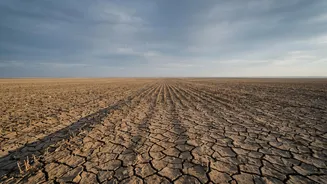
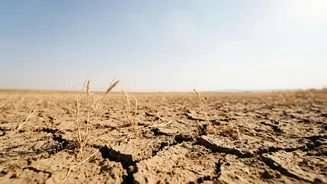
September is when key kharif crops like rice, soybeans, cotton, and pulses are in their critical grain-filling or maturation stages. A deficit in rainfall now can severely impact yields and quality. Regions dependent on rain-fed agriculture are particularly vulnerable. Crops like soybeans and cotton, which have already faced moisture stress due to a weak August, are at a higher risk of yield loss. In key rice and sugarcane-growing areas, persistent dryness could shrink output. The lack of rain not only stunts the growth of the standing crop but also increases the input costs for farmers, who may have to spend more on irrigation to save their harvest. This uneven and deficient rainfall is likely to pull down the final kharif production numbers, affecting farmer incomes and rural demand.
The Ripple Effect on Market Prices
Reduced agricultural output translates directly to supply constraints in the market, a classic recipe for price inflation. A drop in the harvest of essential commodities like pulses, oilseeds, and certain vegetables can lead to a rapid spike in their prices in local mandis and national exchanges. This directly impacts household budgets across the country. The prospect of lower yields can also encourage hoarding by traders, further exacerbating price volatility. Food inflation has already been a concern, and a poor finish to the monsoon could intensify these pressures. Economists and the Reserve Bank of India closely monitor monsoon performance, as a spike in food prices has a cascading effect on the country's overall headline inflation, potentially influencing monetary policy decisions like interest rates.
Impact Beyond the Kharif Harvest
The consequences of a dry September extend beyond the immediate kharif season. The amount of rainfall during this month is crucial for replenishing soil moisture for the upcoming rabi (winter) crop season. Insufficient rain can leave the soil dry, making it difficult for farmers to sow winter crops like wheat, mustard, and chickpeas, potentially leading to lower acreage or the need for more intensive irrigation. Furthermore, monsoon rains are vital for recharging reservoirs and groundwater levels, which are essential for drinking water supply and hydropower generation. A significant deficit can therefore have long-term implications for water security and energy production well into the following year.
Mitigating the Damage
While the weather is uncontrollable, there are ways to manage its impact. The government can play a crucial role by releasing buffer stocks of grains to cool down prices and implementing trade policies, such as allowing duty-free imports of commodities in short supply, as has been done for sugar. Providing timely and accurate weather advisories to farmers helps them make informed decisions. For farmers, strategies include using short-duration crop varieties and adopting water-conservation techniques. The current situation underscores a larger challenge: building resilience in Indian agriculture. This involves improving irrigation infrastructure, promoting climate-resilient crops, and strengthening crop insurance schemes to protect farmers from the growing volatility of weather patterns.