




Why the Monsoon Begs for Spontaneity
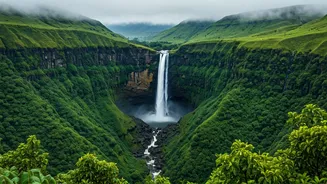
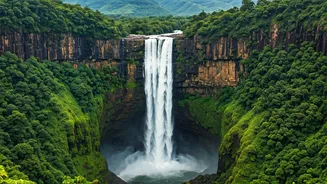
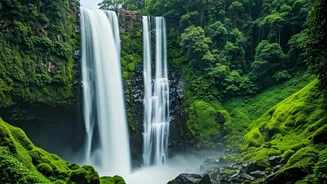
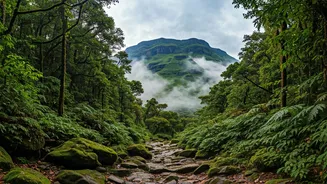
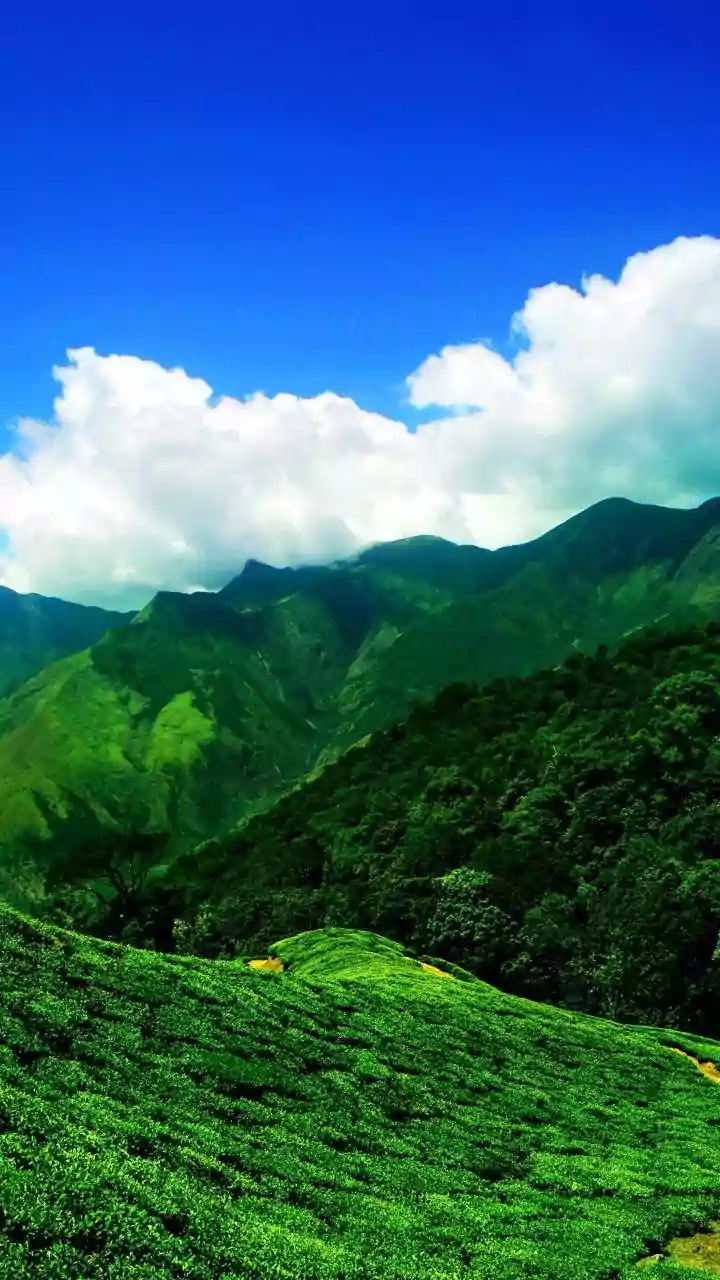
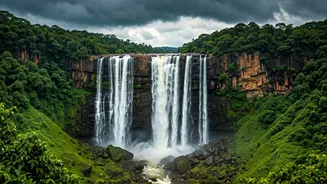
Monsoon travel in India is a sensory overload in the best way possible. The landscape transforms into a canvas of impossible greens, waterfalls appear where there were none, and the air is thick with the scent of wet earth (petrichor). This is not the season
for rigid, minute-by-minute plans. Rains can cause unexpected delays, wash out a planned route, or make that famous viewpoint inaccessible. Instead of seeing this as a problem, see it as an invitation. An invitation to slow down, take a detour, and discover a hidden gem you would have otherwise rushed past. The best monsoon memories aren't made from ticking off a checklist; they're born in the quiet moments of watching the rain from a small dhaba, sipping chai, and having no place you absolutely need to be.
Choose a Hub, Not a Strict Itinerary
The key to successful spontaneous travel is to have a solid base. Instead of planning a multi-city tour, pick one region and make a single town your hub for a few days. Think Lonavala or Bhandardara in Maharashtra, Udaipur in Rajasthan, or anywhere along the coast in Goa or Kerala. From this base, you can take unplanned day trips. Woke up to a clear morning? Drive towards that fort you saw on a distant hill. Is it pouring rain? Spend the day exploring the local market or reading a book in a cosy cafe. A hub gives you stability and a comfortable place to return to, while your days remain a blank slate for adventure. It removes the pressure of constantly being on the move and allows you to truly soak in the local atmosphere.
Embrace the Road Trip
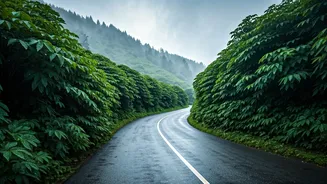
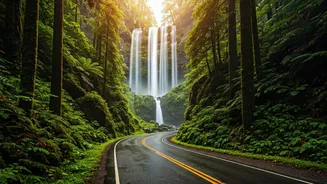
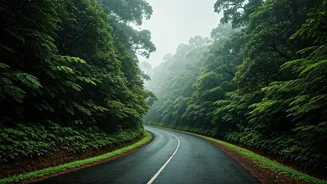
There is no better way to explore during the monsoon than by road. A car or even a motorcycle gives you the ultimate freedom to follow your curiosity. The journey itself becomes the destination. You can stop for roasted corn-on-the-cob (bhutta) from a roadside vendor, pull over to photograph a misty valley, or follow a small, unmarked road just to see where it leads. The Western Ghats, stretching through Maharashtra, Goa, and Karnataka, are particularly spectacular for this. The roads wind through lush forests and offer breathtaking views of cloud-covered peaks. Just be sure your vehicle is in good condition, especially the tyres and wipers, and always drive cautiously on wet, winding roads.
Pack for Possibilities, Not Plans
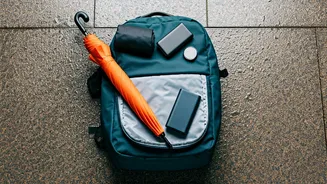
Spontaneous travel requires a slightly different packing strategy. Your bag should be a toolkit for adventure. The essentials include quick-dry clothing (synthetics are better than cotton), a reliable waterproof jacket, and sturdy, waterproof footwear with good grip. Pack a waterproof bag or cover for your electronics and a portable power bank, as power cuts can be common. Also, throw in a good book, a pack of cards, or download some podcasts. These are your best friends during an unexpected downpour or a lazy afternoon when you decide the best plan is no plan at all. Finally, carry a basic first-aid kit with essentials for minor cuts, insect bites, and an antiseptic.
Safety in Spontaneity
Exploring without a plan doesn't mean being reckless. Spontaneity works best when balanced with awareness. Before heading to a region, do a quick check on the weather forecast and be aware of any warnings for floods or landslides, especially in hilly areas. Always let someone know your general location, even if you don't have a fixed plan. Keep your phone charged and have offline maps downloaded for the area. Avoid crossing streams or rivers that are swollen with rainwater, and if a road looks unsafe or flooded, turn back. The goal is to be adventurous, not to take unnecessary risks. Smart spontaneity is about making informed choices in the moment, not ignoring clear dangers.