





From Ticking Boxes to Finding Balance
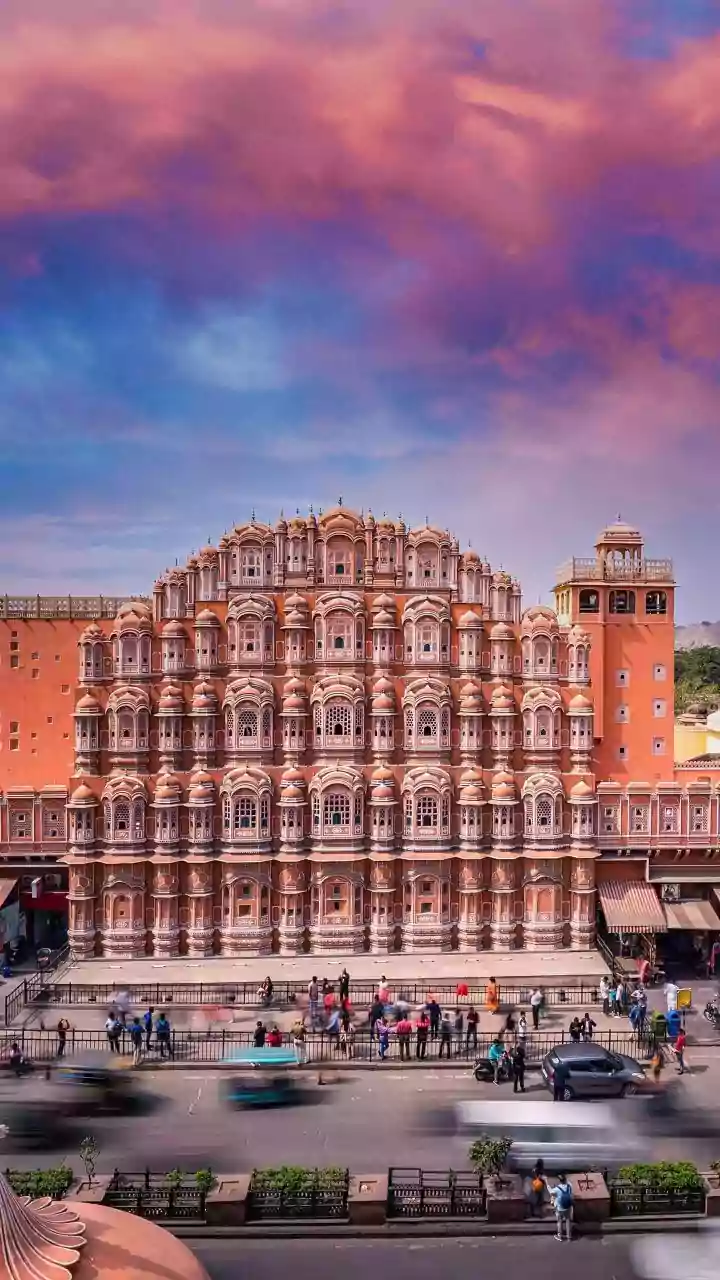
For years, the great Indian holiday was defined by a bucket list. See the Taj Mahal, ride a camel in Rajasthan, party in Goa. It was a race against time, a collection of photo-ops designed to prove you had ‘done’ a place. But a quiet revolution is underway.
The frantic pace of modern life, amplified by the anxieties of a post-pandemic world, has created a new travel currency: peace. Today, an increasing number of travellers are less interested in what they can see and more focused on how they want to feel. They are trading checklists for stillness, and hectic itineraries for mindful experiences. This isn't just about a vacation; it's about a reset. The goal is no longer to return with a camera full of pictures, but with a mind that is calmer and a body that is rested.
The Monsoon's Ancient Wellness Secret
So, why the monsoon? In Western tourism calendars, it’s often labelled the ‘off-season’. But in the ancient Indian wisdom of Ayurveda, it’s the most powerful time for healing. Known as ‘Varsha Ritu’, the rainy season is when the atmosphere is cool, dust-free, and humid. According to Ayurvedic principles, this environment makes the body uniquely receptive to therapeutic treatments. The pores of the skin are open, allowing herbal oils and therapies to penetrate deeply. It’s the ideal season for Panchakarma, a detoxification and rejuvenation program designed to cleanse the body of toxins and restore balance to the doshas (the body's core energies). This ancient science is finding a modern audience, with travellers flocking to Kerala, the cradle of Ayurveda, to embrace the healing power of the rains.
What a Wellness Trip Looks Like
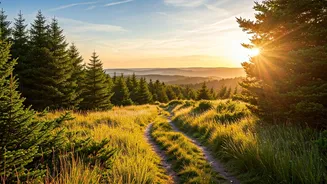
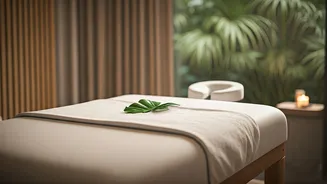
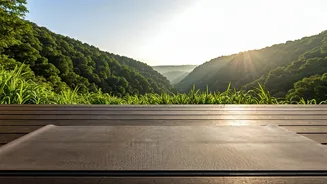
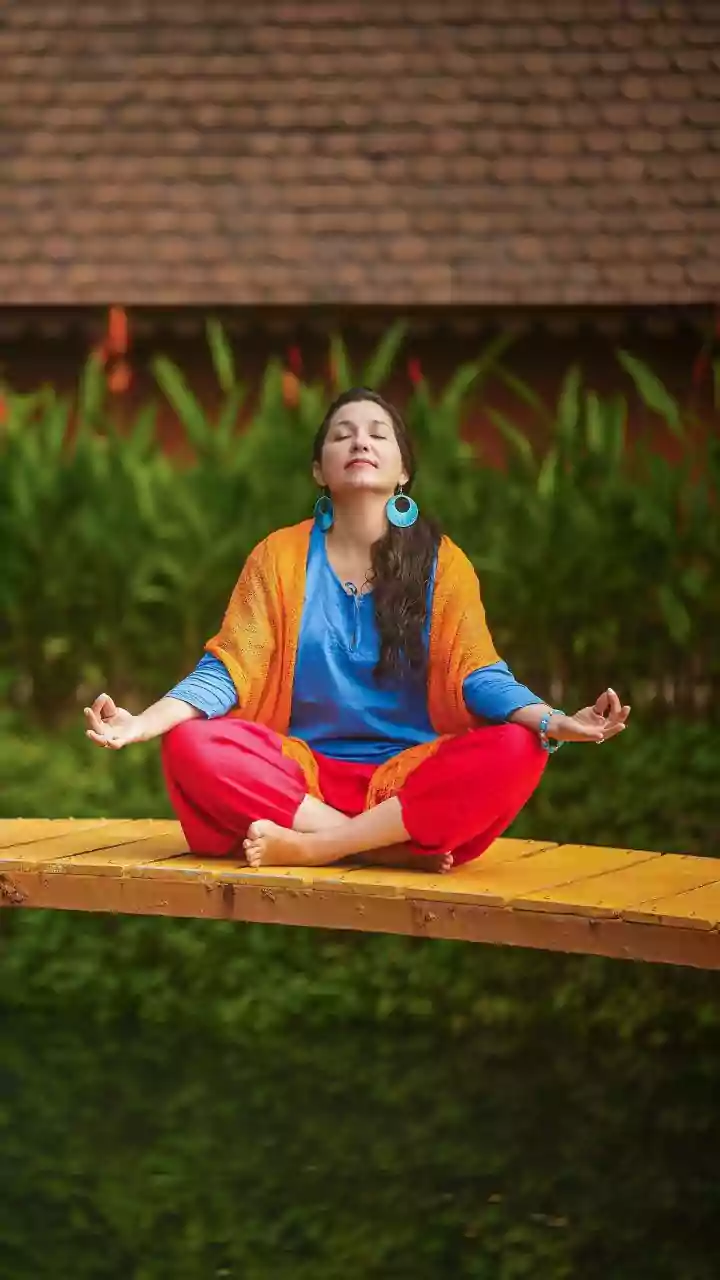
Forget rushed mornings and packed schedules. A monsoon wellness trip operates on a different rhythm. A typical day might start with a gentle yoga session overlooking misty hills, followed by a simple, sattvic breakfast. The afternoon could be dedicated to prescribed Ayurvedic treatments—like a warm oil massage (Abhyanga) or Shirodhara, where a stream of medicated oil is poured over the forehead to calm the nervous system. These aren't just spa treatments; they are holistic therapies aimed at deep-seated healing. Beyond Ayurveda, these trips often incorporate meditation, pranayama (breathing exercises), and nature walks. In places like Rishikesh, the sound of the Ganges complements a yoga practice, while in the quiet, green corners of Goa or the hills of Uttarakhand, the focus is on digital detoxes and reconnecting with nature's quiet pulse.
More Than Just Massages
The definition of ‘wellness’ itself has expanded. While traditional Ayurveda and yoga remain pillars, the new wellness travel trend embraces a broader philosophy. It can mean staying at a sustainable farm and learning about organic food, going on guided silent walks in a forest, or joining a retreat focused on mental health and emotional healing. It’s about nourishing the self in every way—physically, mentally, and spiritually. This shift caters to a generation grappling with burnout and information overload. The appeal of a trip where the only demand is to listen to your own body and mind is becoming more powerful than the allure of visiting a dozen landmarks in a week.
A Mindset for a New India
This trend isn't happening in a vacuum. It’s a direct reflection of a larger societal shift. As Indians become more globally connected and economically empowered, their definition of luxury is evolving. It’s less about conspicuous consumption and more about investing in personal well-being. The pandemic served as a powerful catalyst, forcing a collective pause and a re-evaluation of priorities. Health, both mental and physical, moved to the forefront of everyone’s minds. The result is a more intentional traveller—one who seeks transformation over transportation, and inner peace over external validation. The rise of the monsoon wellness trip is a clear signal that for many, the ultimate destination is no longer a place on a map, but a state of well-being.